
Most dogs should be at least two years old before breeding to ensure full physical and mental maturity.
I’ve spent years working with breeders, veterinarians, and rescue teams, so I know how important timing is for safe, humane breeding. This article answers How Old Must A Dog Be To Breed? with clear, practical guidance you can trust. You’ll get science-backed rules, breed-specific notes, health checks, legal and ethical issues, a step-by-step timeline, and real-world tips that I’ve learned from hands-on experience. Read on to make informed, responsible choices about breeding your dog.
Physical maturity: when a dog is truly ready
Dogs reach sexual maturity before they reach full body maturity. A female dog can go into heat as early as six months, and males can be fertile around the same time. But fertility does not equal readiness.
How Old Must A Dog Be To Breed? is not just about the first heat. It is about bone growth, organ maturity, and emotional stability. For most medium and large breeds, waiting until at least two years old helps ensure the dog’s body can handle pregnancy or fatherhood. Small breeds may safely breed a bit earlier, sometimes around 18 months, but two years is a safe baseline.
Signs of physical maturity:
- Solid adult weight and steady body condition.
- Closed growth plates on X-ray (confirmed by a vet).
- Stable temperament and consistent health history.
Breeding too early raises risks such as difficult births, poor puppy survival, and long-term health problems for the dam. Ask your vet to check growth and run simple tests if you’re not sure your dog has finished growing.
Breed and size differences that matter
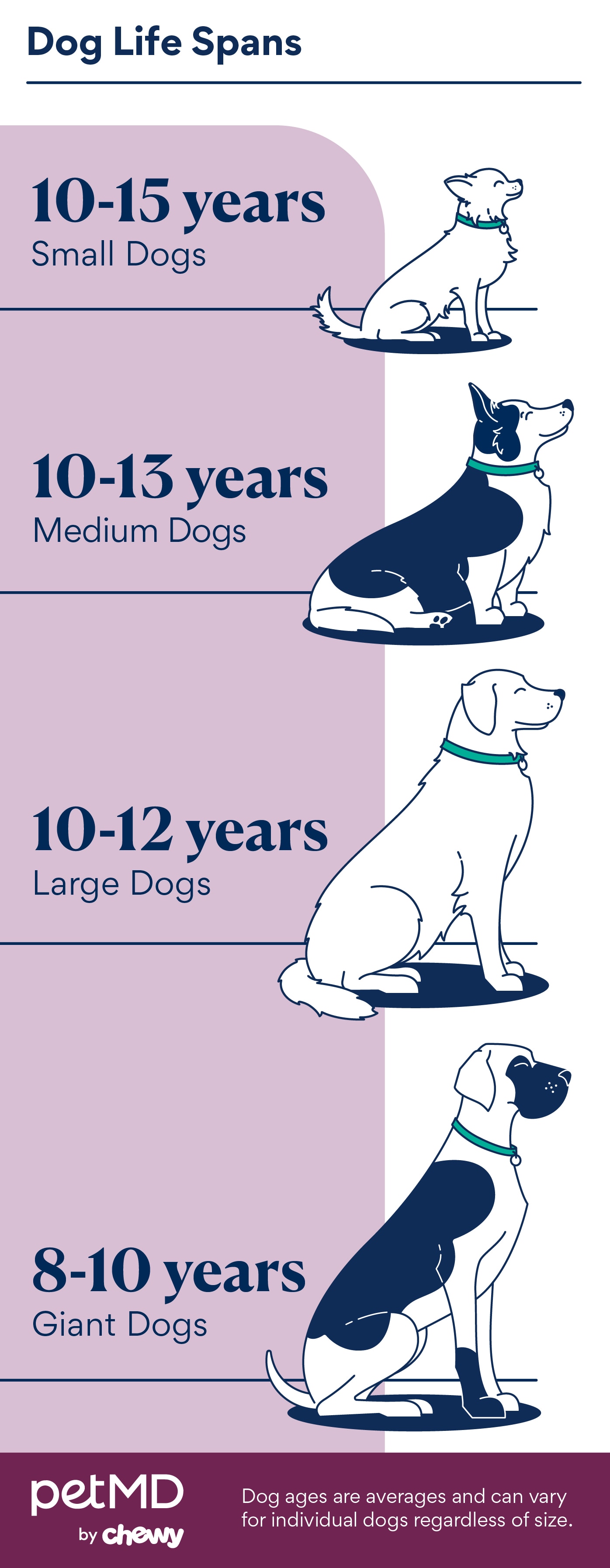
Different breeds mature at different rates. Toy and small breeds typically mature faster. Giant breeds can take up to three years to finish growing.
How Old Must A Dog Be To Breed? depends a lot on breed size and genetics. For example, a Chihuahua might be physically ready earlier than a Great Dane. Breed-specific conditions, like hip dysplasia in large breeds, make timing and screening crucial.
Practical rules by size:
- Small breeds: consider breeding after 18 months with vet clearance.
- Medium breeds: aim for two years for best outcomes.
- Large and giant breeds: wait 2 to 3 years and confirm growth plate closure.
Work with breed clubs and your vet to follow best practices tailored to your dog’s breed.

Health checks, tests, and pre-breeding clearances
Responsible breeding means testing. Health screenings reduce the chance of passing on genetic diseases. Clearances vary by breed but often include hips, elbows, eyes, and heart.
How Old Must A Dog Be To Breed? also depends on passing these tests. Even if the dog is old enough, breeding without clearances increases the chance of unhealthy litters. Typical pre-breeding checks include:
- Full physical exam by a vet.
- Reproductive health check for females (uterus, hormones).
- Genetic tests as recommended for the breed.
- Tests for infectious diseases like brucellosis.
I always advise breeders to keep a file of all test results and to re-test after a recommended period.
Legal, ethical, and welfare considerations
Local laws and kennel club rules may set minimum ages or require certificates. Ethics and welfare should guide every decision. A dog’s well-being must come before the desire to produce puppies.
How Old Must A Dog Be To Breed? can be influenced by law and regulation. Some regions require spaying/neutering for pets or restrict breeding age. Ethically, you should avoid breeding dogs with known health issues or poor temperament. Consider:
- Limits on number of litters allowed.
- Mandatory health testing or registration.
- Consideration of adoptable dogs already in need.
If you are unsure about rules, consult local authorities or a breed club. Protecting the dam and puppies is the top priority.

Practical timeline: step-by-step breeding plan
A clear timeline helps reduce stress for the dogs and owner. Here’s a simple plan from readiness to post-birth care.
How Old Must A Dog Be To Breed? should guide the timeline. Use age, test results, and vet advice together. Sample timeline:
- Preparation (6–12 months before breeding)
- Train and socialize the dog.
- Complete vaccinations and parasite control.
- Start health testing as recommended by breed guidelines.
- Final vet clearance (1–2 months before planned mating)
- Confirm physical readiness.
- Run reproductive exams and any final tests.
- Breeding and pregnancy (weeks 0–9)
- Monitor the dam closely.
- Provide proper nutrition.
- Whelping and early pup care (birth to 8 weeks)
- Have a plan for emergency vet help.
- Screen puppies for initial health concerns.
- Post-breeding follow-up
- Re-evaluate the dam’s health.
- Decide on future breeding plans responsibly.
Following these steps helps ensure healthier pregnancies and stronger puppies.
:max_bytes(150000):strip_icc()/irish-wolfhound-tallest-dog-breeds-589938211-2000-800b37c2c48746df9f99ff4f6a94ac44.jpg)
Common mistakes, lessons learned, and practical tips
I’ve seen good intentions go wrong when timing and preparation were rushed. These common mistakes are avoidable.
How Old Must A Dog Be To Breed? is often ignored in the heat of emotion. People breed after first heat or before proper testing. Mistakes to avoid:
- Breeding a dog after the very first heat without vet clearance.
- Skipping genetic tests to save money.
- Ignoring temperament and social behavior when selecting parents.
Lessons from experience:
- Wait for the dog to be mature and tested. It pays off.
- Keep breeding records and health history.
- Have honest conversations with buyers and other breeders.
Practical tips:
- Build a relationship with a reliable vet.
- Join a local breed club for support.
- Prepare for the financial and time costs of breeding.

People also ask — short answers to common questions
How Old Must A Dog Be To Breed? often comes with related quick questions. These short answers cover the basics people look for.
What is the minimum legal age to breed a dog?
Minimum age varies by country, state, or kennel club. Many organizations recommend at least 18 to 24 months, but check local laws and club rules.
Can dogs get pregnant on their first heat?
Yes, females can become pregnant during their first heat, but it is not recommended. Early pregnancies raise health and developmental risks for the mother and pups.
How many times should a female dog be bred in her life?
Responsible breeders limit the number of litters and consider the dog’s health. Many kennel clubs advise a cap on lifetime litters and recommend long recovery periods between litters.
Do males need to be a certain age to breed?
Males can be fertile earlier, but waiting until around two years old ensures maturity and better genetic screening. Older males should also be health-screened.
How do I know if my dog has finished growing?
A vet can confirm growth plate closure via X-ray and assess overall body maturity. Stable adult weight and consistent body shape are good signs.
Frequently Asked Questions of How Old Must A Dog Be To Breed?
How old must a dog be to breed for the first time?
Most experts advise waiting until at least 18 to 24 months for the first breeding. This ensures better physical development and a higher chance of a healthy pregnancy.
At what age is it too old to breed a dog?
Breeding after about six to eight years can be risky, depending on health and breed. Always get a full veterinary check before breeding an older dog.
Can I breed my dog every heat cycle?
No. Breeding every heat is hard on the dam and increases health risks. Responsible breeders space litters and consider the dog’s recovery and long-term health.
Do male dogs have a breeding age limit?
Male dogs may remain fertile longer than females, but fertility and sperm quality decline with age. Health screening is important at any age before breeding.
Is it safe to breed mixed-breed dogs at a younger age?
Safety depends on size, health, and maturity, not just pedigree. Mixed-breed dogs still need vet checks and clearances before breeding.
Conclusion
To answer How Old Must A Dog Be To Breed?, aim for full physical and mental maturity—typically around two years for many breeds—with health clearances and ethical planning. Treat breeding as a long-term responsibility, not a quick decision. Take the time to test, prepare, and consult your vet; this protects the dam, the sire, and the puppies.
Take action now: schedule a vet consultation, gather recommended tests, and join a breed community to learn best practices. If you found this helpful, leave a comment, share your experience, or subscribe for more practical guides on responsible dog care.