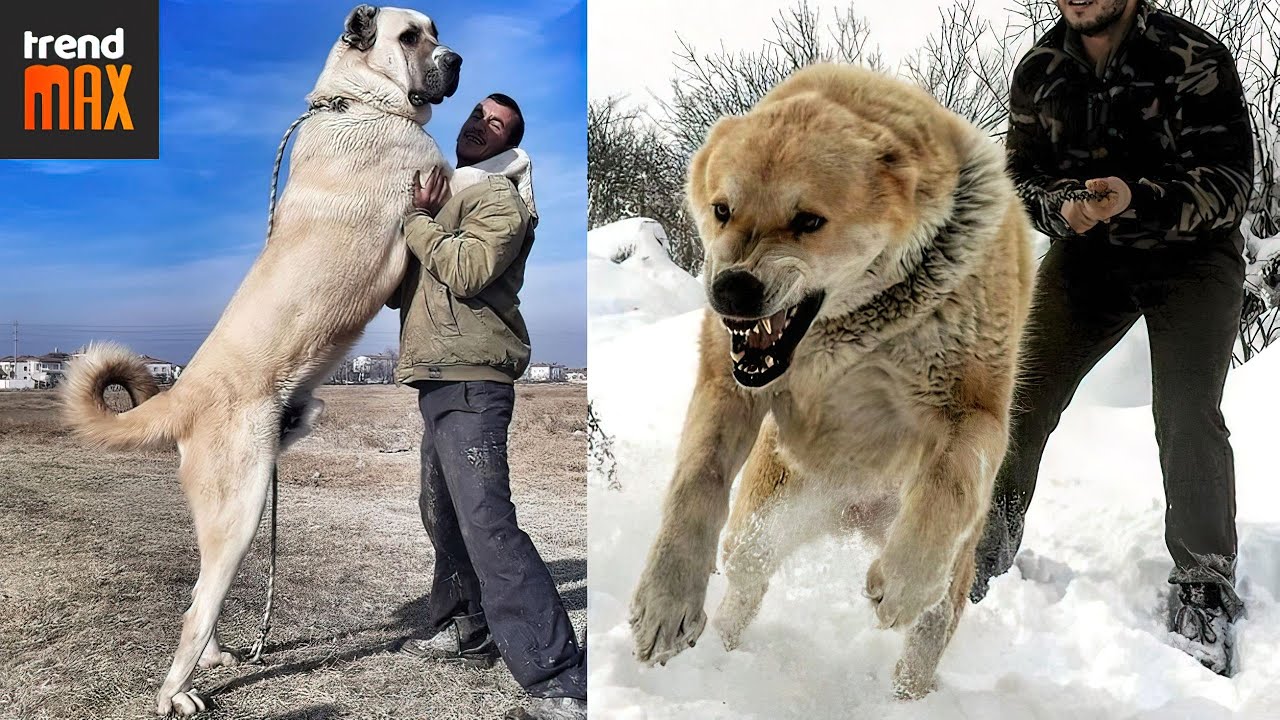
The Kangal is widely regarded as the strongest dog, notable for its bite force and guardian instincts.
As a longtime dog trainer and canine enthusiast, I’ve studied and worked with many large breeds. This article answers the core question "What Breed Is The Strongest Dog?" by looking beyond myths. I explain how strength is measured, compare top breeds, share real-world experience, and give practical tips for owning a powerful dog safely. Read on to learn which breeds stand out, why they do, and how to choose responsibly.
How we define strength in dogs
Strength can mean different things. It can mean bite force, pulling power, body mass, or working stamina. When people ask "What Breed Is The Strongest Dog?" they usually mean physical power in work or protection roles.
Common measures of canine strength include:
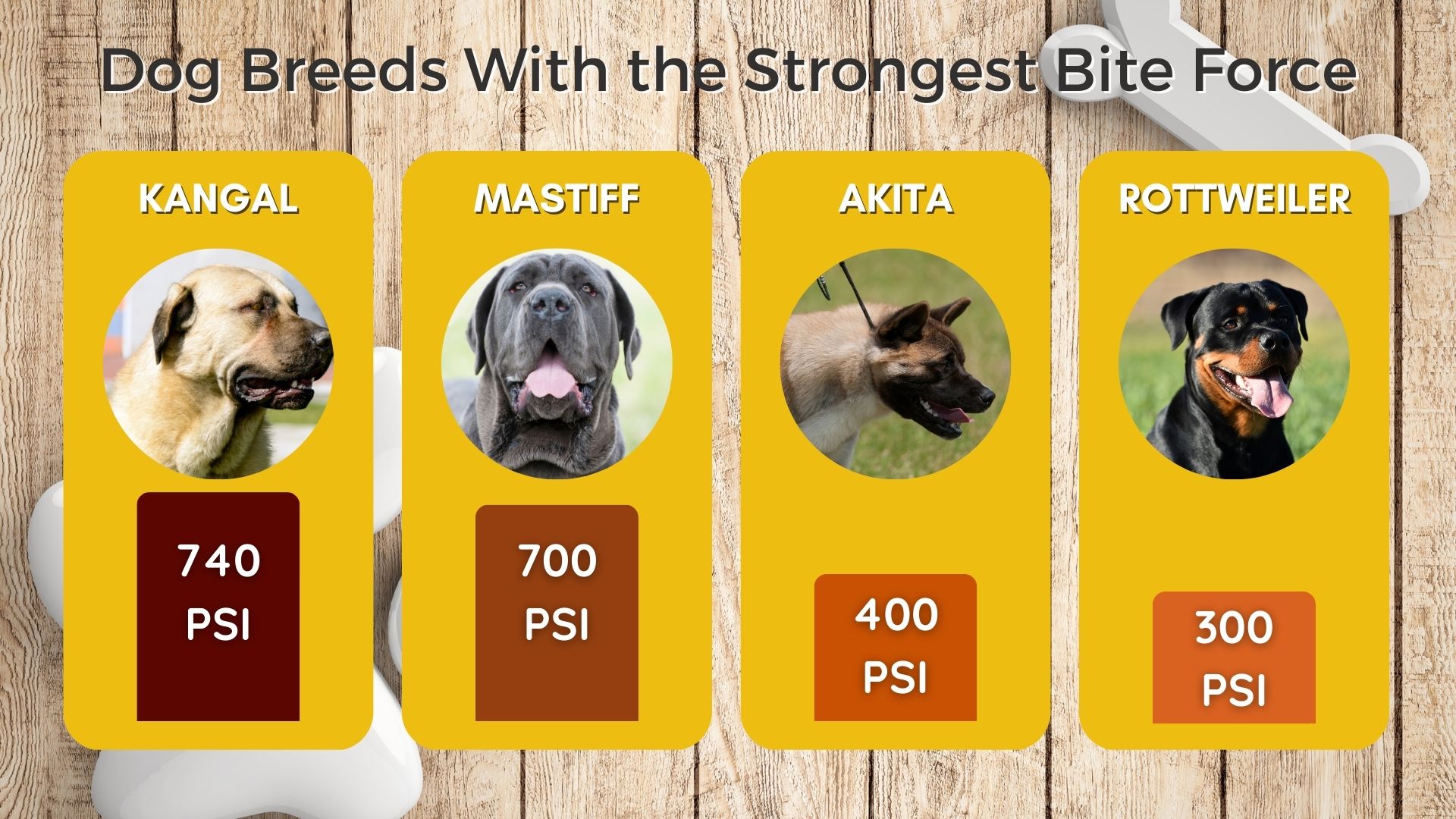
- Bite force estimated in pounds per square inch (PSI)
- Pulling and towing capacity for sled or draft work
- Muscle mass and raw body weight
- Endurance and ability to perform tasks over time
Each measure favors different breeds. Bite force highlights breeds like the Kangal. Pulling favors breeds like the Alaskan Malamute. Mass and presence favor Mastiff-type dogs. Combine these measures for a full view of strength.
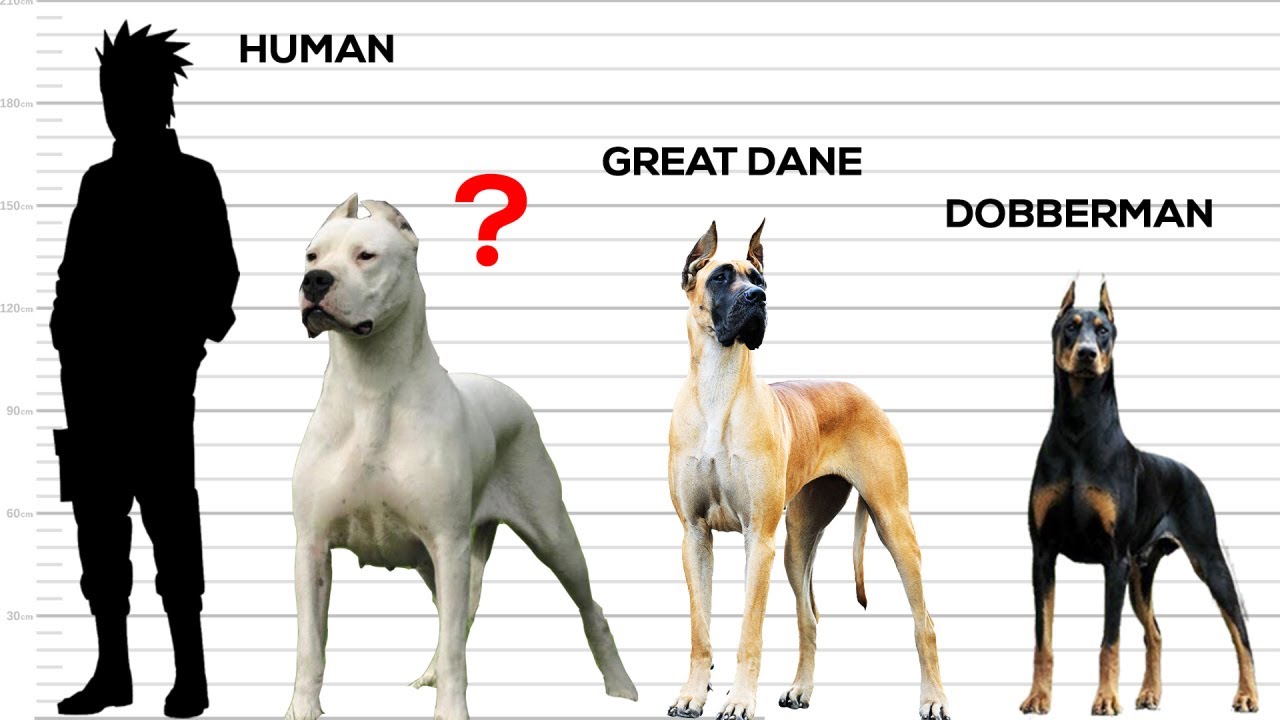
Top candidates: strongest dog breeds explained
Below are breeds commonly named when asking "What Breed Is The Strongest Dog?" I give clear traits and practical notes for each.
-
Kangal
- Known for exceptional bite force and livestock-guardian instincts.
- Calm, protective, and loyal; needs space and clear leadership.
-
English Mastiff
- Massive body weight and great physical presence.
- Gentle with family but can be powerful if untrained.
-
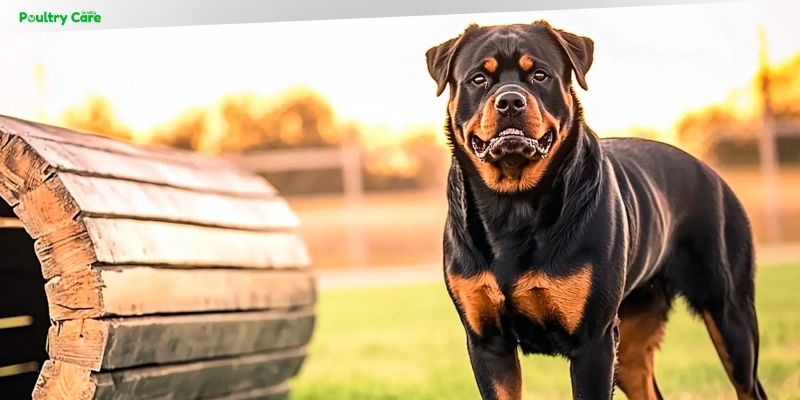
Rottweiler
- Strong bite, muscular build, and high bite endurance.
- Excellent working dog when trained; needs socialization.
-
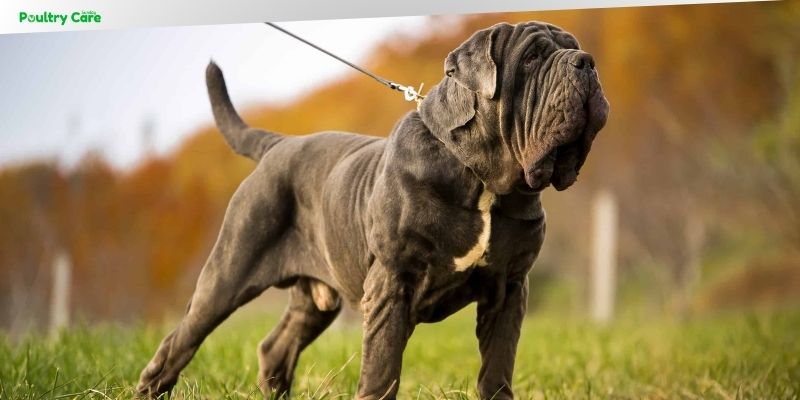
Cane Corso
- Agile, muscular, and bred for guard work.
- Requires consistency, firm handling, and mental exercise.
-
Presa Canario
- Powerful, built for holding and controlling livestock.
- Requires experienced ownership and social exposure.
-
American Pit Bull Terrier
- Strong bite relative to body size, high tenacity.
- Often misunderstood; socialization and training matter most.
-
Alaskan Malamute
- Exceptional pulling power and endurance.
- Built for heavy draft work in cold climates.
-
Belgian Malinois
- High drive, working strength, and athleticism.
- Common in law enforcement and sport work.
-
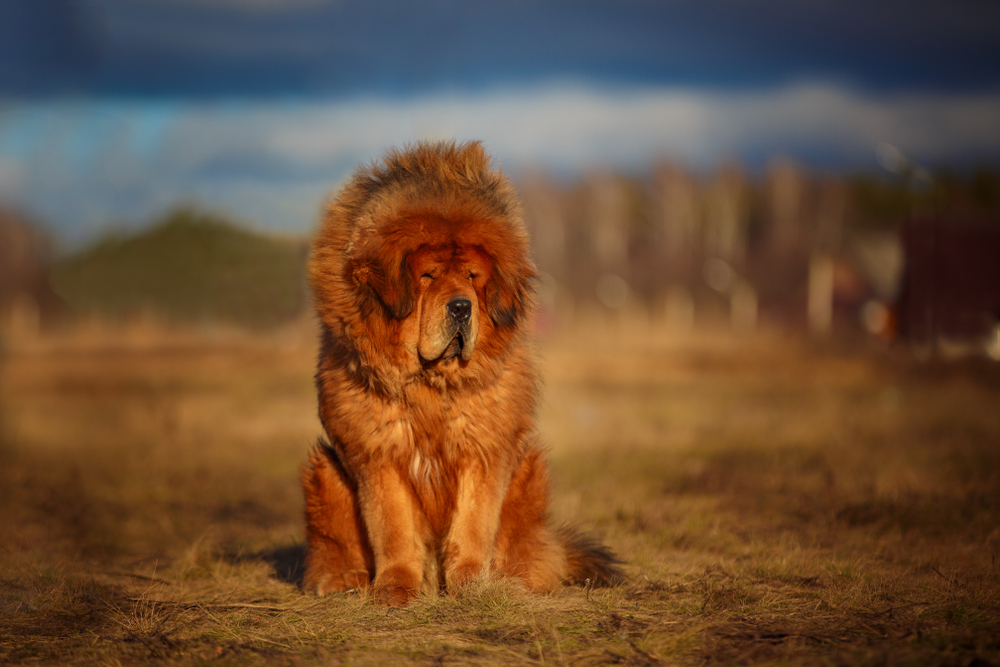
Tibetan Mastiff and Dogue de Bordeaux
- Heavy, strong-boned guardian breeds.
- Calm family dogs in the right homes, but physically imposing.
Each breed shows a different type of strength. Answering "What Breed Is The Strongest Dog?" requires picking the type of strength you value. In my experience training strong breeds, temperament and training matter as much as raw power.
:quality(75)) capacity”
capacity”
style=”max-width: 100%; height: auto; border: 2px solid black; border-radius: 10px; display: block; margin: 0 auto;”
loading=”lazy”
/>
How strength is measured: bite force, mass, and work capacity
Measure strength using clear, repeatable metrics. That helps answer “What Breed Is The Strongest Dog?” more fairly.
Bite force
- Measured in PSI; estimates vary by study and method.
- Numbers can be useful but are not the whole story.
Body mass and size
- Heavier breeds can exert more force physically.
- Mass helps in tasks like holding or pulling.
Work capacity
- Endurance and drive matter in sledding, guarding, and rescue.
- A dog that tires quickly shows less practical strength.
Behavioral strength
- Courage, control, and focus can be as important as muscle.
- A dog’s willingness to act is part of strength in real tasks.
When you combine these measures you get a fuller answer to "What Breed Is The Strongest Dog?" Always consider context.
Training, nutrition, and care to maximize safe strength
Strength needs shaping. A strong dog without training is risky. My real-world tips come from years handling large breeds.
Training basics
- Start early with socialization and basic obedience.
- Use consistent, reward-based methods for best results.
Nutrition and conditioning
- High-quality protein and balanced nutrients support muscle.
- Controlled exercise develops strength safely; avoid overloading pups.
Injury prevention
- Monitor joints and growth plates in large breeds.
- Include low-impact cardio, stretching, and rest.
Safety practices
- Use secure leashes, proper harnesses, and training tools.
- Teach reliable recall and impulse control for public safety.
Proper care turns raw power into useful, safe strength. That is central when evaluating "What Breed Is The Strongest Dog?"
Legal, ethical, and insurance considerations
Owning a powerful breed means extra responsibility. Laws and policies often affect popular answers to "What Breed Is The Strongest Dog?"
-
Breed restrictions
- Some areas restrict certain breeds or require special permits.
- Check local laws before choosing a strong breed.
-
Insurance and liability
- Homeowners insurance may exclude certain breeds.
- Verify coverage and take steps to reduce risk.
-
Ethical ownership
- Training, containment, and socialization protect people and dogs.
- Avoid breeding for aggression; focus on temperament and health.
Being informed reduces stress and helps you make the right decision about strong breeds.

Choosing the right strong dog for your life
Not everyone needs the same kind of strength. Ask yourself these questions when deciding which answer to "What Breed Is The Strongest Dog?" fits you.
- What will the dog do? Guard, pull, compete, or be family?
- How much time can you commit to training and exercise?
- Do you have space and the right environment for a large dog?
- Are you prepared for the long-term financial and medical costs?
Checklist for responsible selection
- Match breed energy and temperament to your lifestyle.
- Work with reputable breeders or rescues that prioritize health.
- Plan for training, socialization, and proper vet care.
Choosing responsibly keeps the dog and the community safe. My best mistakes came from underestimating training needs. Learn from that and prepare.

Personal experience and practical lessons
I’ve trained and handled several of the breeds discussed. Hands-on work taught me lessons that research alone can’t show.
- A massive Mastiff can be calm at home but hard to control if untrained.
- A Kangal’s protective instinct is deep; proper socialization changed outcomes for the better.
- Conditioning a Malamute for sled work required steady, progressive loading to avoid injury.
Lessons learned
- Strength without obedience is liability.
- Early, consistent training transforms raw power into a constructive trait.
- Invest in good gear and vet care; small mistakes become costly with big dogs.
These experiences shaped how I answer "What Breed Is The Strongest Dog?"—it’s not just breed, but how you raise and use the dog.

Frequently Asked Questions of What Breed Is The Strongest Dog?
What breed has the strongest bite force?
Bite force estimates often point to the Kangal as having one of the highest measured values. Bite force varies by individual dog and measurement methods, so values are approximate.
Is the biggest dog always the strongest?
Not always. Big dogs have mass, but strength also involves muscle, bite, and endurance. Some medium-sized breeds can be extremely strong for their size.
Are pit bulls the strongest dogs?
Pit bulls are strong for their size and show high tenacity. Strength alone does not make a breed dangerous; training and environment are key factors.
Which dog is best for pulling heavy loads?
Alaskan Malamutes and Saint Bernards have history and build for pulling and draft work. Conditioning and proper harnessing are essential for safe pulling.
Can training make any breed stronger?
Training and conditioning improve functional strength, endurance, and control in most breeds. Proper nutrition and rest are equally important.
How do I handle a strong dog safely?
Use positive, consistent training, quality gear, and early socialization. If unsure, consult a professional trainer experienced with the breed.
Conclusion
Answering "What Breed Is The Strongest Dog?" depends on the kind of strength you value. Kangals often top bite-force lists. Mastiffs show sheer mass. Malamutes excel at pulling. But a strong dog only becomes a responsible companion with proper training, care, and choice. If you are considering a powerful breed, prepare for training, invest in vet care, and match the dog to your life. Take the next step by researching breeds that fit your goals, visiting rescues or breeders, and planning a training and care routine. Share your experiences or questions below — I’d love to help you pick the right strong dog.