
Last Updated on April 2, 2026
Most vaccinated dogs are protected, but rare failures or recent exposures can still lead to rabies.
I’ve worked with vets and animal control on rabies cases for years, and I’ll walk you through clear, practical answers to the question Can dogs get rabies with rabies vaccination? You’ll learn how the vaccine works, why rare cases still occur, what to do after a bite, and how to keep your dog and family safe. Read on for evidence-based guidance, real-world tips, and step-by-step actions you can use today.

How rabies vaccination protects dogs and why it matters
Rabies shots teach a dog’s immune system to spot and fight the virus. The vaccine stimulates antibodies. These antibodies stop the virus before it reaches the brain in most cases. Vaccination has cut rabies in pets by a huge margin worldwide.
Can dogs get rabies with rabies vaccination? It’s rare when vaccines are given correctly and on schedule. Vaccination is the best prevention and reduces risk for people too.
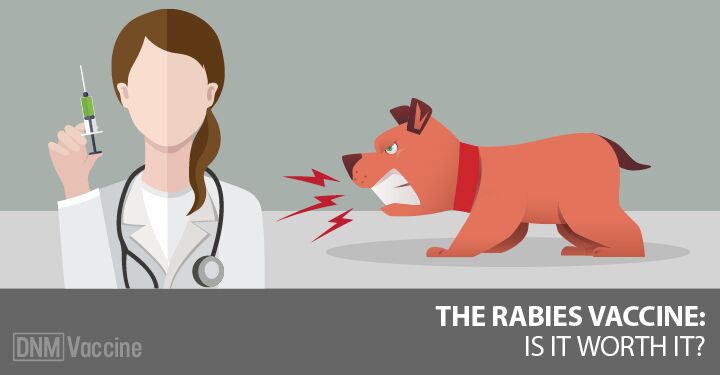
Can vaccinated dogs still get rabies?
Yes, but it is uncommon. A vaccinated dog can get rabies if the bite happened before the vaccine had time to work. A dog can also get rabies if the vaccine failed because of a poor immune response. Improper storage or administration of the vaccine can also lower protection.
Common scenarios where the answer to Can dogs get rabies with rabies vaccination is "yes" include:
- Dog was exposed before vaccination took effect.
- Dog’s immune system is weakened by illness or medication.
- Vaccine was given too long ago and immunity has waned.
- Vaccine storage, handling, or product issues caused failure.
Most vaccinated dogs do not develop rabies. Still, exposure needs quick action.
Factors that affect vaccine protection
Several things change how well the rabies vaccine works. Knowing them helps you reduce risk.
- Timing of vaccination. Puppies need the full series and boosters to be protected.
- Immune status. Dogs on steroids or with cancer may not mount a strong response.
- Vaccine storage and handling. Vaccines must be stored and given correctly.
- Virus dose and wound severity. A heavy exposure can overwhelm immunity.
- Vaccine product and protocol. Follow your vet’s schedule and local law.
Ask your vet about antibody testing if you worry about your dog’s immune response.

Signs, diagnosis, and why early action matters
Rabies causes behavior and neurological changes. Early signs are subtle. Later signs are dramatic.
- Early signs. Anxiety, fever, and subtle behavior changes.
- Later signs. Aggression, paralysis, excessive salivation, difficulty swallowing.
- Diagnosis. Definitive testing usually requires brain tissue after death. Live-animal diagnosis is clinical and precautionary.
- Why early action matters. Rabies is almost always fatal once clinical signs appear. Fast response can protect people and other animals.
If you suspect rabies, keep people and pets away from the animal and contact a vet or public health official immediately.

What to do after a bite or exposure
Quick, calm action protects your dog and your family. Steps differ if the dog is vaccinated or not.
If your dog is currently vaccinated:
- Call your veterinarian immediately and report the exposure.
- Many authorities recommend an immediate booster and a 45-day strict observation period.
- Follow local public health rules and record all steps.
If your dog is unvaccinated or not current:
- Contact your vet and public health agency right away.
- Options may include quarantine, re-vaccination, or other legal steps. Some places require strict confinement or euthanasia in high-risk cases.
- Always seek medical care for any human bite.
Do not wait for symptoms. Immediate action saves lives.
Real cases and lessons from the field
I’ve seen vaccinated dogs exposed to bats and wild animals. Most did well after a booster and monitoring. A few needed close observation because they had other health issues. Key lessons I learned:
- Never skip boosters. They matter.
- Document vaccinations and keep records handy.
- Treat any bite seriously, even if the dog is vaccinated.
- Work with your vet and local health officials—rules vary by area.
Those small steps prevent hard choices later.

Preventive steps every dog owner should take
Prevention is the simplest path to safety. Follow these practical tips.
- Keep vaccinations current and follow the vet’s schedule.
- Avoid unsupervised contact with wildlife and stray animals.
- Secure your yard and use a leash in areas with wildlife.
- Report any unusual animal behavior to local animal control.
- Keep vaccination records in a safe, accessible place.
Prevention avoids risk to dogs and people.
:max_bytes(150000):strip_icc()/rabies-vaccine-for-dogs-1276909247-2000-4efa84b2f4564a46aa94b67a2af9ff16.jpg)
Common quick questions (PAA-style)
What is the main purpose of rabies vaccination for dogs?
The vaccine trains the immune system to block the virus and prevent disease. It reduces both animal and human risk.
How soon after vaccination is a dog protected?
Protection usually starts a few days to a few weeks after vaccination, depending on the dog and vaccine. Full protection requires following the recommended schedule.
Can vaccination make an exposed dog safe without observation?
No. Even vaccinated dogs usually need a booster and a monitoring period after exposure. Follow vet and public health guidance.
Frequently Asked Questions of Can Dogs Get Rabies With Rabies Vaccination?
What are the signs that a vaccinated dog might have rabies?
Early signs include shy behavior, fever, and mild changes in appetite. Later signs are aggression, drooling, weakness, and paralysis.
If my vaccinated dog is bitten, do I need to re-vaccinate immediately?
Yes. Many public health guidelines recommend an immediate booster for currently vaccinated dogs after exposure.
Can a vaccinated dog transmit rabies to humans?
Transmission is unlikely if the dog is vaccinated and treated quickly, but any bite should be treated seriously. Seek medical care for human bites.
Is rabies vaccine failure common in dogs?
No. Vaccine failure is rare when vaccines are stored and given correctly and the dog’s immune system is healthy.
Should I test my dog for rabies after an exposure?
Live testing is limited. Definitive testing requires brain tissue after death. Instead, follow vet advice, which often includes boosters and observation.
Conclusion
Vaccination is the most effective way to prevent rabies in dogs, but rare failures and timing issues mean exposures still need fast action. Keep your dog’s shots current, report bites immediately, and follow your veterinarian and public health guidance to protect your pet and family. Take one concrete step today: check your dog’s rabies record and book a booster if it’s due. Share your experiences or questions below, or talk to your vet to stay prepared.