
Extremely unlikely if the dog is properly vaccinated and vaccine records are up to date.
As someone who has worked with animal shelters and public health teams, I take this question seriously: Can A Human Get Rabies From A Vaccinated Dog? I’ll explain the science, real-world risks, rare exceptions, and clear steps to stay safe. This guide blends research, frontline experience, and practical advice so you can make informed decisions about bites, vaccinations, and exposure.
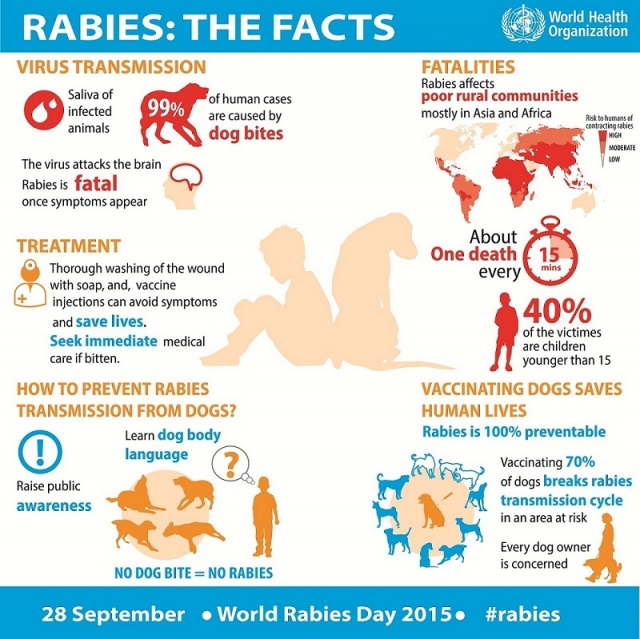
Can A Human Get Rabies From A Vaccinated Dog?
Short answer: the risk is very low when a dog is fully vaccinated and current on boosters. Vaccination greatly lowers the chance a dog can carry or transmit rabies. Still, no vaccine is 100% effective and incidents can happen with incomplete vaccination, unknown history, or compromised immune systems. I’ll walk you through how vaccines protect people, what exceptions exist, and what to do after any bite.
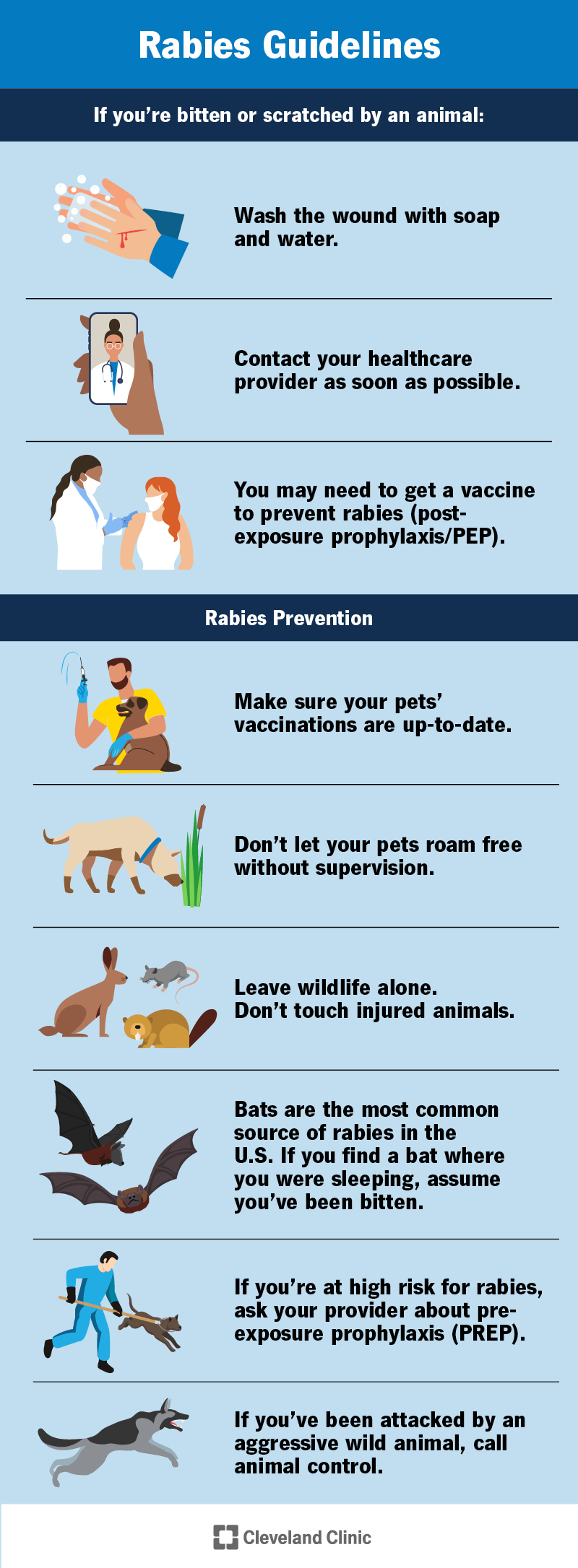
How rabies works and how vaccines protect
Rabies is a virus that infects the nervous system. It spreads most commonly through saliva via bites. Once symptoms start, rabies is almost always fatal. Vaccines work by priming the immune system to block the virus before it reaches the nervous system.
Key points about protection:
- Vaccinated dogs develop antibodies that neutralize the virus in the wound or bloodstream.
- Routine boosters maintain protection over time. Gaps in boosters reduce protection.
- Vaccines also lower viral load, which reduces the chance of passing infection to a human.
Even with strong protection, rare failures can occur. That’s why exposure protocols exist to handle any risk quickly and safely.

Limitations and rare scenarios
Understanding rare exceptions helps set realistic expectations. While the question "Can A Human Get Rabies From A Vaccinated Dog?" usually has a reassuring answer, know these caveats.
Rare situations to consider:
- Recent vaccination: A dog newly vaccinated may not yet have full immunity for several days.
- Immune compromise: Dogs with immune disorders or on immune-suppressing drugs may respond poorly to vaccines.
- Improper vaccine handling: Cold chain failures or expired vaccines can reduce effectiveness.
- Misdiagnosis or false records: A dog claimed to be vaccinated but without reliable records creates uncertainty.
- Unusual exposures: Deep bites close to the head or multiple severe bites can pose higher risk even if the dog was vaccinated.
These are uncommon. Public health authorities use these scenarios to decide when to recommend post-exposure prophylaxis for humans.
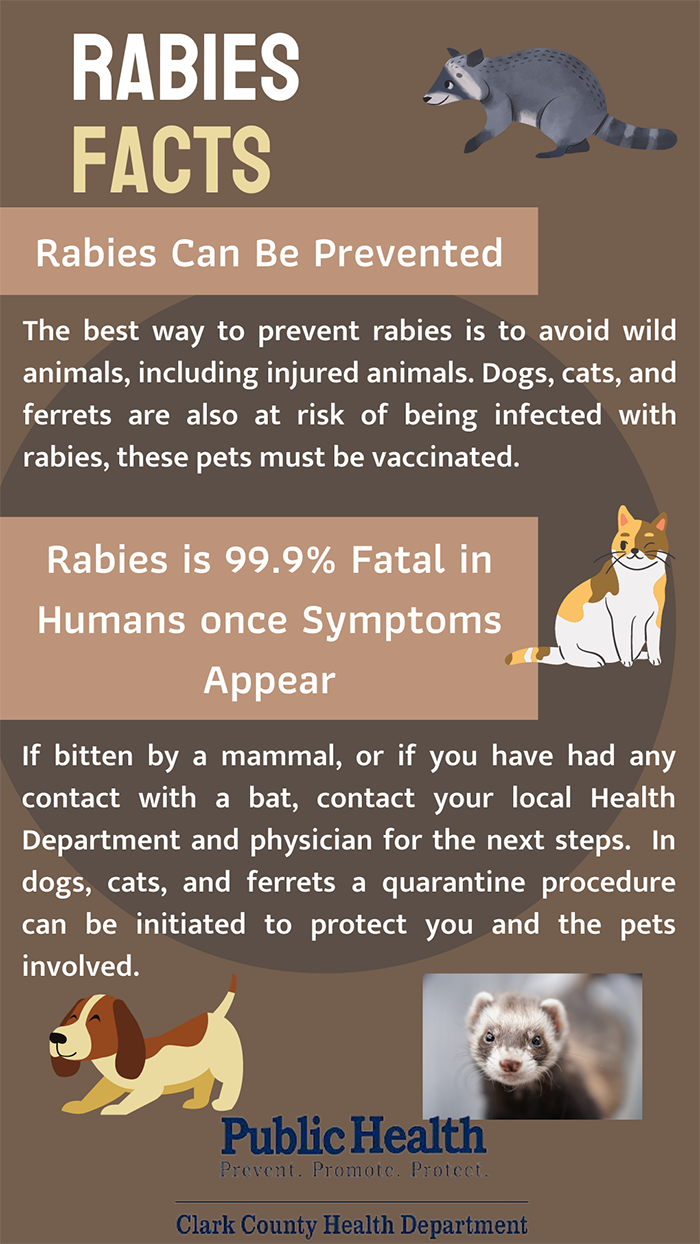
What to do after a dog bite
Act fast. The immediate steps you take can prevent infection and protect health.
Immediate actions:
- Clean the wound with soap and water for at least 15 minutes. This reduces virus particles.
- Seek medical care. A clinician will assess risk and decide about rabies post-exposure prophylaxis (PEP).
- Confirm the dog’s vaccine history. Ask for records or contact the vet.
- If the dog is available, its health is usually observed for 10 days by a vet or public health official.
- Report severe bites to local public health authorities or animal control.
If the dog is confirmed vaccinated and healthy during observation, PEP is often unnecessary for the human. When records are missing or the dog’s health is suspicious, doctors may recommend PEP as a precaution.
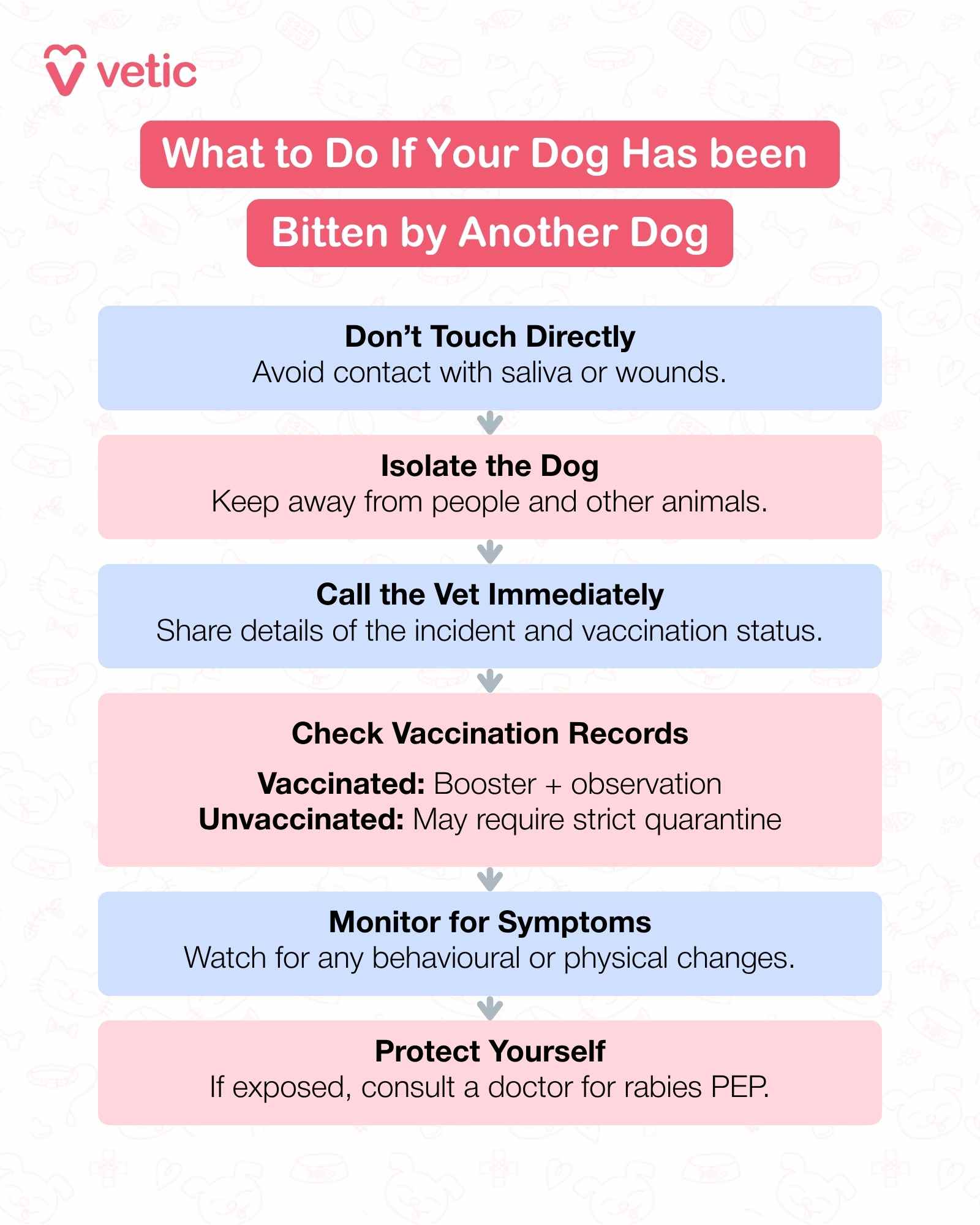
Common concerns (People also ask)
Here are short answers to common, quick questions readers type into search engines.
How long after vaccination is a dog protected?
Dogs typically develop strong immunity about 7 to 28 days after vaccination, depending on vaccine type and prior status.
Can a vaccinated dog be a rabies carrier?
It’s very unlikely. Vaccinated dogs are unlikely to carry or transmit rabies, though rare vaccine failures can occur under specific conditions.
Is a scratch from a vaccinated dog dangerous?
Scratches are lower risk than bites because saliva exposure is usually limited. Clean the wound and see a clinician if you are uncertain about exposure.

Personal experience and practical tips
I’ve seen dozens of bite incidents while coordinating shelter intake and education. Most involved vaccinated dogs with no rabies transmission. One case taught me the value of clear records: a stray labeled “vaccinated” without paperwork caused confusion and an unnecessary PEP for the person bitten. From that, I learned to insist on verification.
Practical tips I use and recommend:
- Keep your pet’s vaccination card and digital record in one easy-to-find spot.
- When adopting or rescuing, insist on updated vet records before contact.
- Teach children safe interaction with animals to reduce bite risks.
- If you work with animals, follow workplace vaccine and reporting protocols.
Frequently Asked Questions of Can A Human Get Rabies From A Vaccinated Dog?
Can A Human Get Rabies From A Vaccinated Dog?
If the dog is properly vaccinated and healthy, the risk is extremely low. Still, any bite should be cleaned and evaluated by a medical professional.
Do I need rabies shots after a bite from a vaccinated dog?
Often no, if the dog’s vaccination is verified and the dog remains healthy during observation. A doctor will assess the situation and recommend PEP only when needed.
How long should a vaccinated dog be observed after a bite?
A dog that bites is typically observed for 10 days to watch for signs of rabies. If the dog shows no symptoms during that time, transmission is unlikely.
Can an old vaccine fail and give rabies to a human?
Vaccine failure is rare but possible if boosters lapse or the dog has health issues. That’s why maintaining vaccine schedules is important.
Are puppy vaccinations different for preventing human rabies?
Puppies receive initial vaccinations followed by boosters. They need the full schedule to be considered protected and to lower human risk.
Should I report a bite even if the dog is vaccinated?
Yes. Reporting ensures proper observation, documentation, and public health follow-up to protect everyone involved.
Conclusion
Vaccination makes the answer to "Can A Human Get Rabies From A Vaccinated Dog?" reassuringly simple: the risk is very low when vaccinations are current and handled correctly. Still, vigilance matters. Clean any wound, confirm vaccine records, and see a medical provider promptly. Keep pet vaccinations up to date and teach safe animal interactions to reduce bites.
Take action today: check your pet’s vaccine records, store them where you can find them, and share this article with anyone who cares for pets. Leave a comment below with your questions or bite experiences — I’ll reply with practical advice.