

Yes—when chosen and used correctly, dental chews can help dogs reduce plaque and freshen breath.
As a veterinarian-adjacent writer with years of hands-on experience caring for dogs, I’ll walk you through whether dental chews are a smart choice for your pet. This article answers "Are dental chews good for dogs?" by explaining how chews work, their real benefits, risks, and practical tips for choosing and using them safely. Read on for clear guidance, evidence-based points, and real-life tips you can use today.
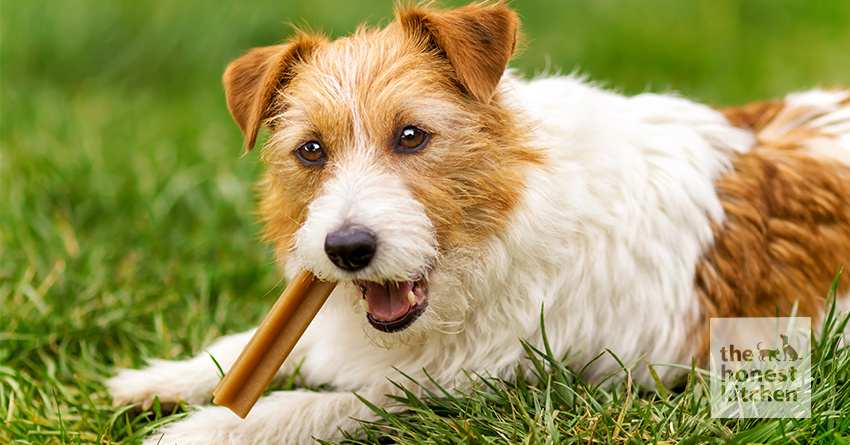
How dental chews work
Dental chews clean teeth mainly by mechanical action. As a dog chews, the texture scrapes some plaque and tartar from the tooth surface. Many chews also contain enzymes or ingredients that fight bacteria and freshen breath. Chews vary in size, hardness, and formula, so their effect depends on the specific product and how your dog chews it.
Benefits of dental chews
Dental chews can help lower plaque buildup and reduce bad breath. They are an easy way to add dental care to a dog’s routine between brushings. Chews can also provide mental stimulation and satisfy chewing instincts. For many owners, dental chews are a low-effort, cost-effective part of a broader dental care plan.
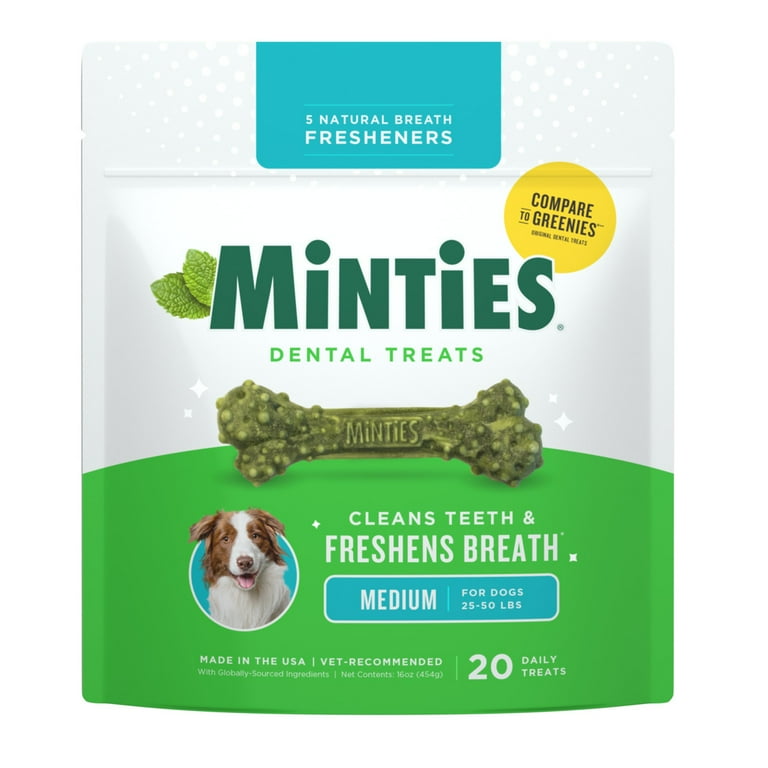
Limitations and risks to know
Dental chews are not a complete substitute for tooth brushing or professional cleanings. Some chews are high in calories and can cause weight gain if given too often. Hard chews can fracture teeth in power chewers or dogs with weak teeth. Some chews contain ingredients that can trigger allergies or upset stomachs in sensitive dogs.
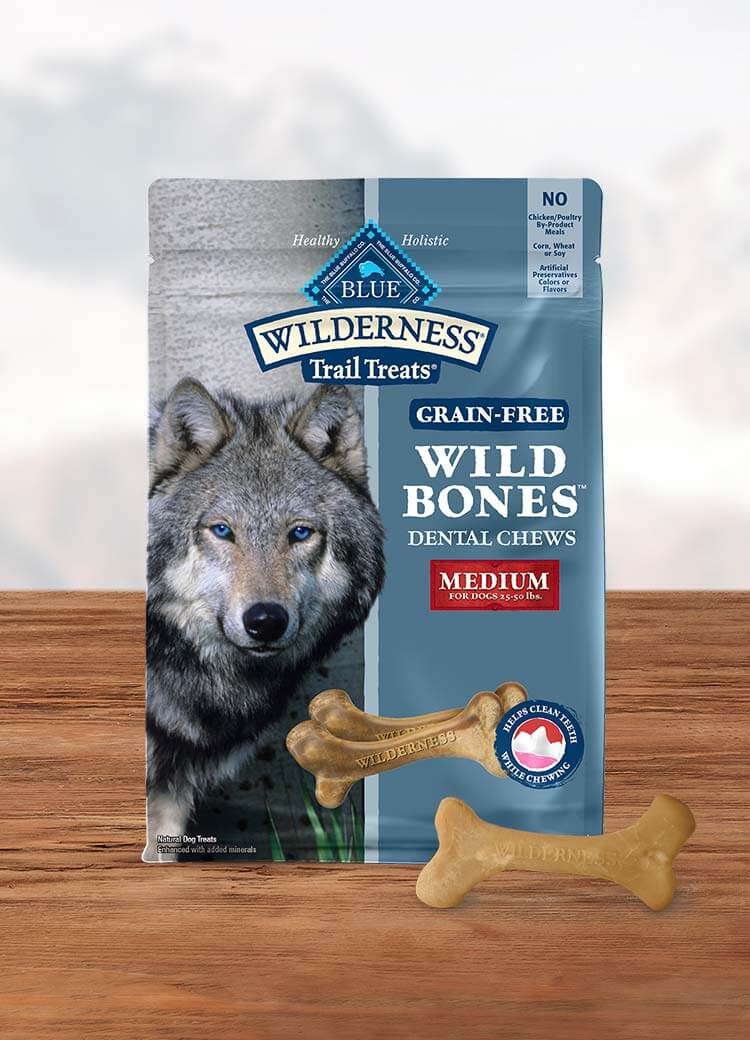
Are dental chews good for dogs? What science and vets say
Research shows that certain dental chews reduce plaque and gingivitis when used correctly. Clinical trials typically compare chews that have special shapes or textures and show measurable gains over no treatment. Veterinary dental cleaning remains necessary for established periodontal disease. Use chews as part of a plan that includes exams and professional advice from your vet.
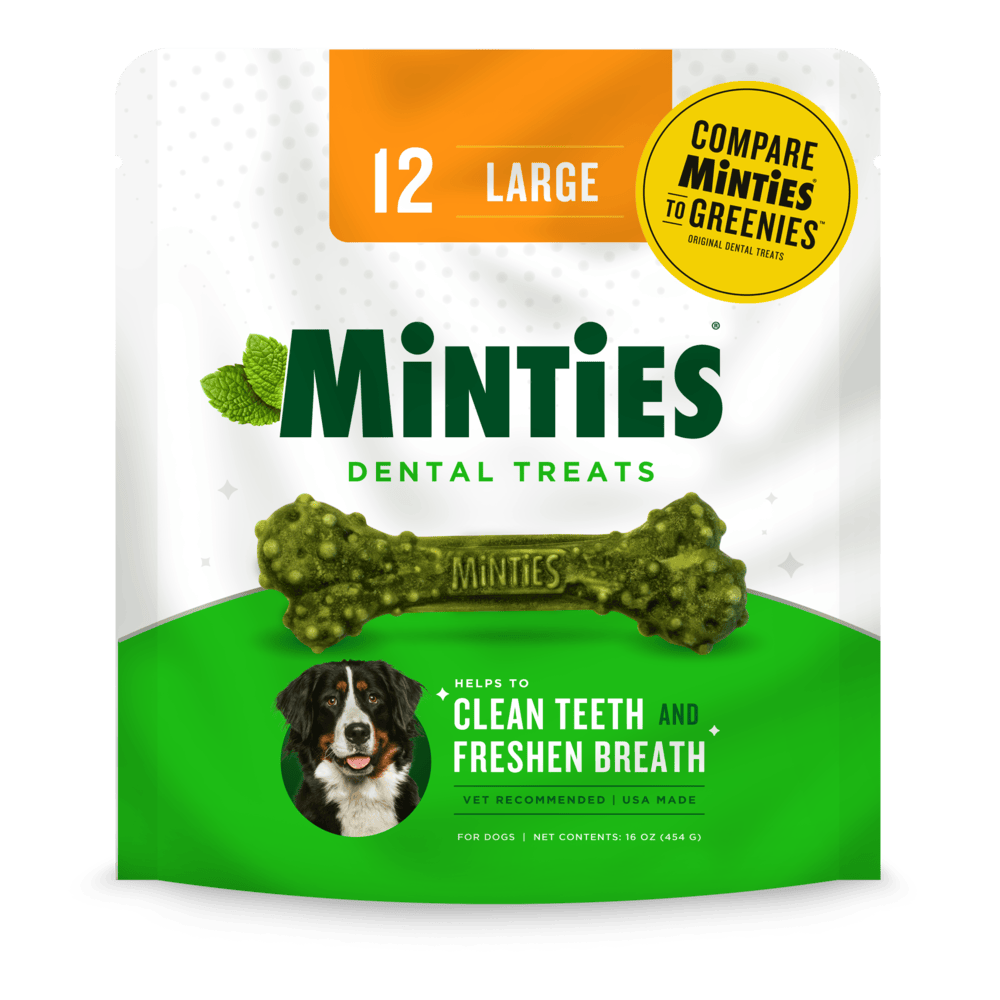
Choosing the right dental chew
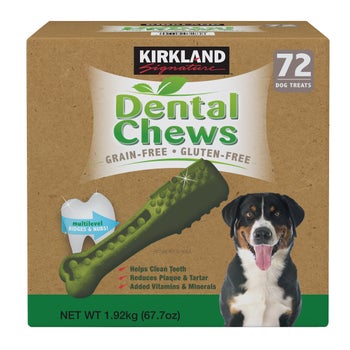
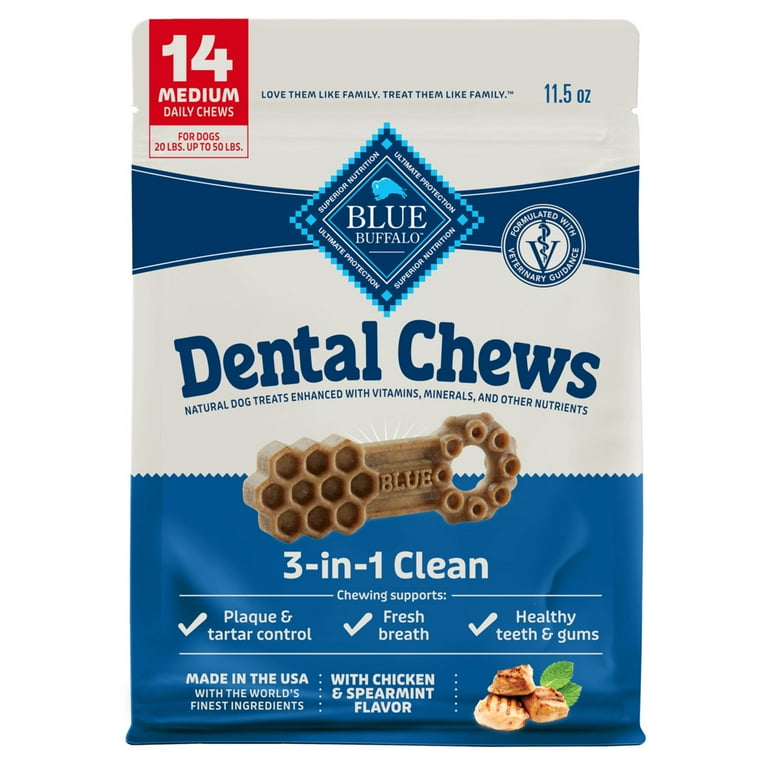
Match chew size to your dog’s mouth and chewing style. Choose chews labeled for dental benefits that have been tested in clinical trials when possible. Avoid very hard chews for dogs that crush bones or stones. Read ingredient lists and pick chews with fewer artificial additives if your dog has sensitivities.
How to use dental chews safely
Introduce chews slowly and watch your dog the first few times they use one. Offer chews no more than once daily, unless packaging or your vet recommends otherwise. Remove small or broken pieces that could be a choking risk. Combine chews with regular tooth brushing and annual dental checkups for best results.

Personal experience and practical tips
I’ve given dental chews to many dogs in my care. One Labrador loved beef-flavored chews but packed on pounds when the owner gave them daily treats. After switching to a vet-recommended low-calorie dental chew and limiting treats, the dog’s breath improved and weight stabilized. Key lessons I learned:
- Start slow and supervise new chews.
- Count calories from chews in your dog’s daily food plan.
- Rotate chew types to avoid boredom and overexposure to any single ingredient.
These small steps help dental chews be effective and safe.
PAA-style questions (short helpful answers)
Do dental chews replace brushing?
No. Dental chews help reduce plaque but do not replace regular brushing or professional dental care. They are a helpful supplement.
How often should I give a dental chew?
Typically once a day unless the product label or your vet advises otherwise. Monitor for calories and chewing safety.
Can dental chews cause weight gain?
Yes. Some chews are calorie-dense. Include their calories in your dog’s daily intake to avoid weight gain.
Frequently Asked Questions of Are Dental Chews Good For Dogs?
Are dental chews effective for all dogs?
Effectiveness varies by chew type and how the dog chews. Some dogs benefit more than others, especially those who chew thoroughly.
Which dogs should avoid dental chews?
Dogs with very small mouths, severe dental disease, or a history of broken teeth should avoid hard chews unless cleared by a vet. Puppies need age-appropriate options.
Can dental chews cause allergies?
Yes. Chews with beef, chicken, wheat, or other common allergens can cause reactions in sensitive dogs. Check ingredients and try a small amount first.
How long before I see results?
Some improvement in breath and plaque may show in weeks. Meaningful reductions in gingivitis may take longer and depend on consistency.
Are natural or homemade chews better?
Natural chews can work but vary widely in safety and consistency. Always vet homemade options with your veterinarian to avoid choking or bacterial risks.
Scientific evidence and expert view
Clinical studies show dental chews offer measurable reductions in plaque and gingivitis compared to no treatment. Experts stress that the best outcomes come from combining daily home care, such as brushing, with chews and periodic professional cleanings. Evidence supports chews as part of a layered approach rather than a stand-alone fix.
Practical checklist before buying dental chews
- Match chew size to your dog’s breed and jaw strength.
- Look for products with clinical testing or veterinary endorsement.
- Count calories and adjust food portions to prevent weight gain.
- Avoid very hard items for dogs that crush bones or have weak teeth.
- Start with one chew and watch for chewing behavior and stool changes.
Conclusion
Dental chews can be a useful and practical tool to support dog dental health when you choose the right type and use them carefully. Pair chews with tooth brushing, regular veterinary exams, and mindful feeding to protect your dog’s teeth and overall health. Try a vet-recommended chew, watch how your dog chews it, and adjust frequency to fit your dog’s needs. Share your experience, ask your vet for tailored advice, or subscribe for more tips on dog care.