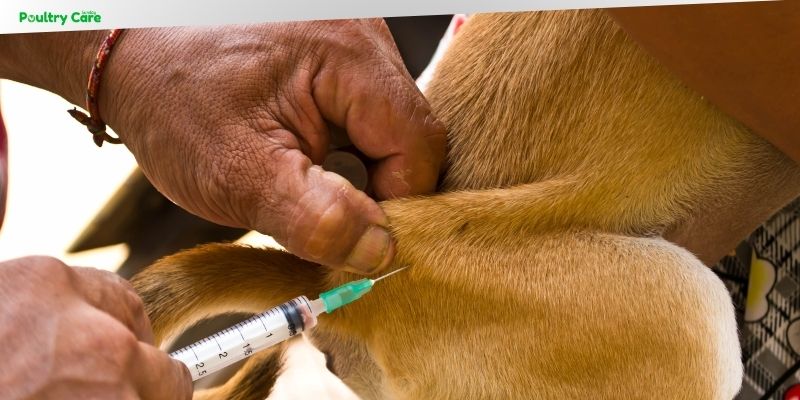
Most adult dogs need rabies, core DHPP boosters, plus risk-based yearly shots like leptospirosis.
I have worked in clinics and cared for many dogs. I know the common vaccines, why they matter, and how vets decide if a shot is needed each year. This guide answers What Vaccines Do Dogs Need Yearly? with clear steps, practical tips, and real-life advice so you can protect your dog without guesswork.
Core versus non-core: What Vaccines Do Dogs Need Yearly?
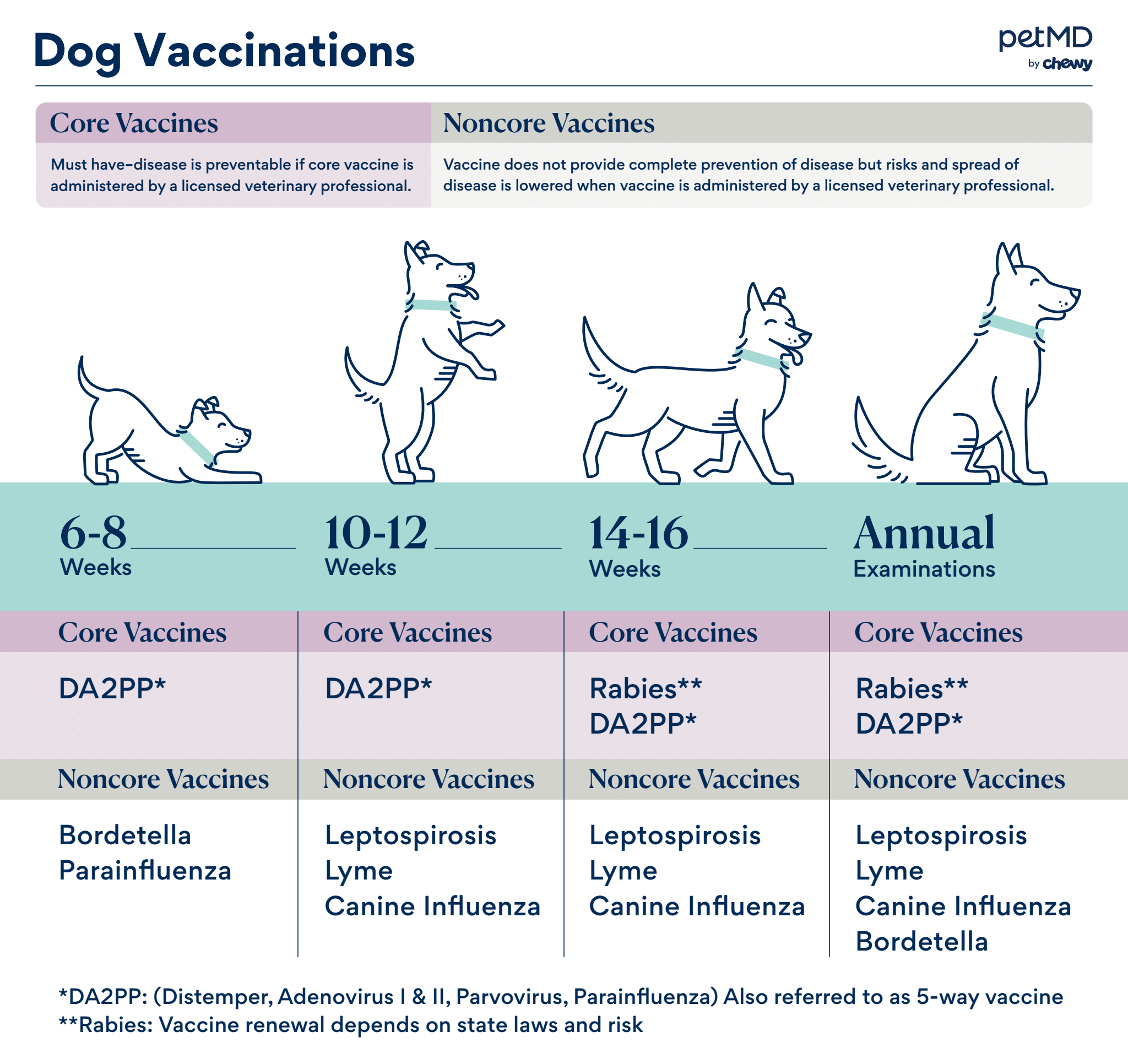
Core vaccines protect against diseases all dogs face. Non-core vaccines depend on where you live and what your dog does. When people ask What Vaccines Do Dogs Need Yearly? they usually mean which shots vets give every year to keep dogs safe.
Core vaccines include:
- Rabies — often required by law and crucial to public health.
- Distemper/Parvovirus/Canine Adenovirus (commonly given as DHPP) — protects against serious, life-threatening diseases.
Non-core vaccines that may be yearly:
- Leptospirosis — for dogs exposed to wildlife or standing water.
- Bordetella (kennel cough) — for dogs that go to daycare, boarding, or grooming.
- Lyme disease — where ticks are common.
- Canine influenza — in high-risk settings or during outbreaks.
Different clinics follow different schedules. Ask your vet about local rules and your dog's lifestyle. They will tailor the plan to your dog's risk.
Yearly vaccines commonly given and why they matter
When owners ask What Vaccines Do Dogs Need Yearly? they want a simple list and an explanation. Here are common yearly shots and why vets recommend them.
Rabies
- Why: Rabies is fatal and can spread to people. Laws often require vaccination.
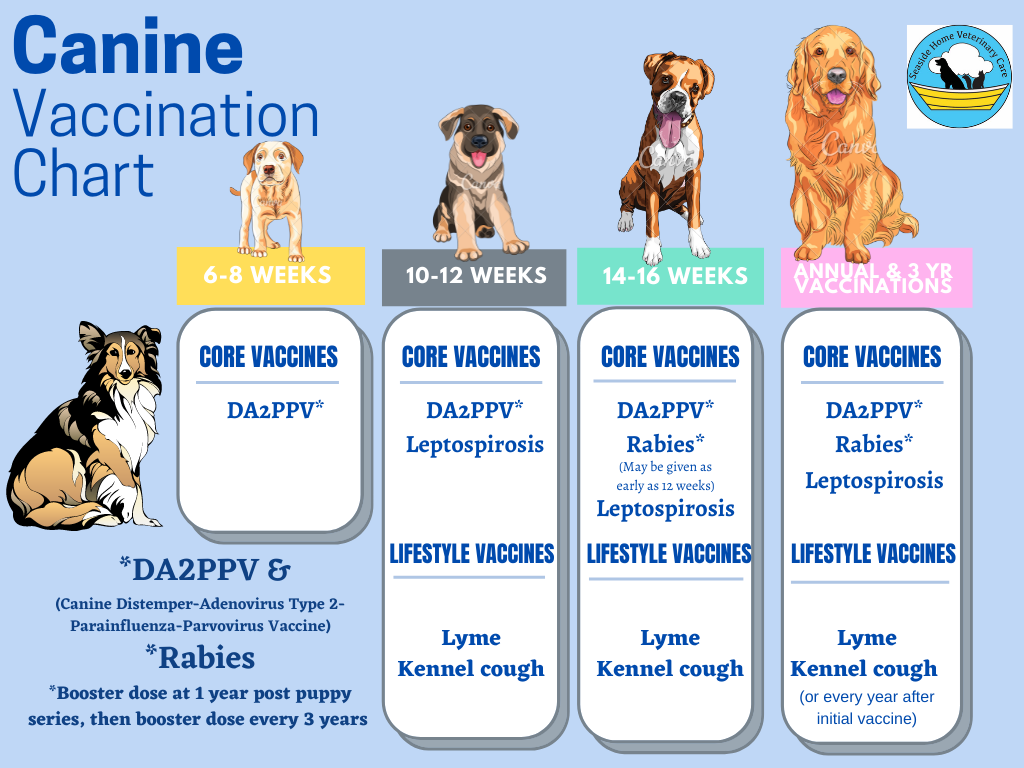
- Typical timing: First vaccine at puppy age, then a booster at one year. After that it may be every 1 or 3 years based on the vaccine and local rules.
- Benefit: Prevents a deadly disease and avoids legal issues.
DHPP (Distemper, Hepatitis, Parvovirus, Parainfluenza)
- Why: These illnesses are severe and common without protection.
- Typical timing: Puppy series then booster schedules vary. Many vets give a booster every 1–3 years.
- Benefit: Keeps core immunity strong.
Leptospirosis
- Why: Bacterial disease spread through urine and water. It can infect people.
- Typical timing: Often given yearly in high-risk areas.
- Benefit: Reduces risk after exposure to wildlife or standing water.
Bordetella (Kennel cough)
- Why: Highly contagious respiratory illness in group settings.
- Typical timing: Often yearly or every 6 months depending on exposure.
- Benefit: Helps prevent outbreaks in kennels and daycares.
Lyme disease
- Why: Transmitted by ticks. Recommended in tick-prone regions.
- Typical timing: Often yearly after initial series.
- Benefit: Lowers risk of Lyme disease and related complications.
Canine influenza
- Why: Viral respiratory disease. Vaccination depends on local outbreaks and exposure.
- Typical timing: Often yearly.
- Benefit: Reduces severity and spread in group settings.
These vaccines are chosen after we consider risk and upside. I have seen cases where annual leptospirosis shots prevented hospital stays after a hiking trip. Talk with your vet about which ones your dog truly needs.
:strip_icc()/vaccines-for-dogs-3384664_color-2549d699cbaa453cbc7f2586c40159cb.jpg)
Puppy series, adult boosters, and titer testing
Puppies get a series of shots to build early immunity. Adults get boosters when needed. Many owners ask What Vaccines Do Dogs Need Yearly? and if blood tests can replace shots.
How vaccine timing works
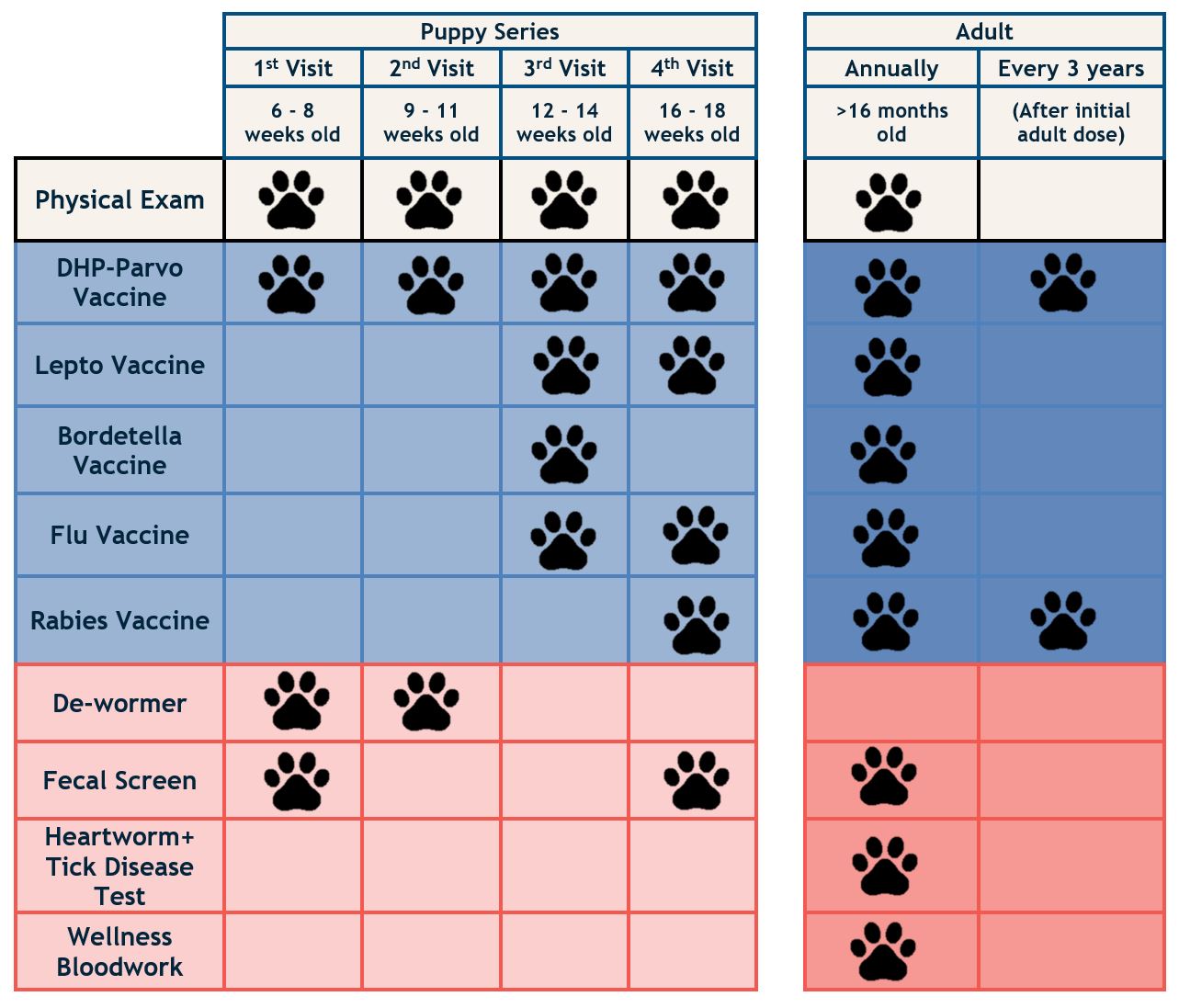
- Puppies: Start at 6–8 weeks, then repeat every 3–4 weeks until about 16 weeks.
- Adult dogs: Often get a one-year booster. After that, some vaccines shift to every 3 years.
- High-risk vaccines: May remain on a yearly schedule.
Titer testing as an alternative
- What it is: A blood test that measures antibody levels to certain diseases.
- When to use: To confirm protection for diseases like distemper and parvovirus.
- Limitations: Titers are not accepted for rabies by law in many places. Not all diseases have clear titer correlations.
I use titers in my practice when owners want to avoid unnecessary boosters. Titers can guide smarter, evidence-based decisions.
How veterinarians decide if a vaccine is needed yearly
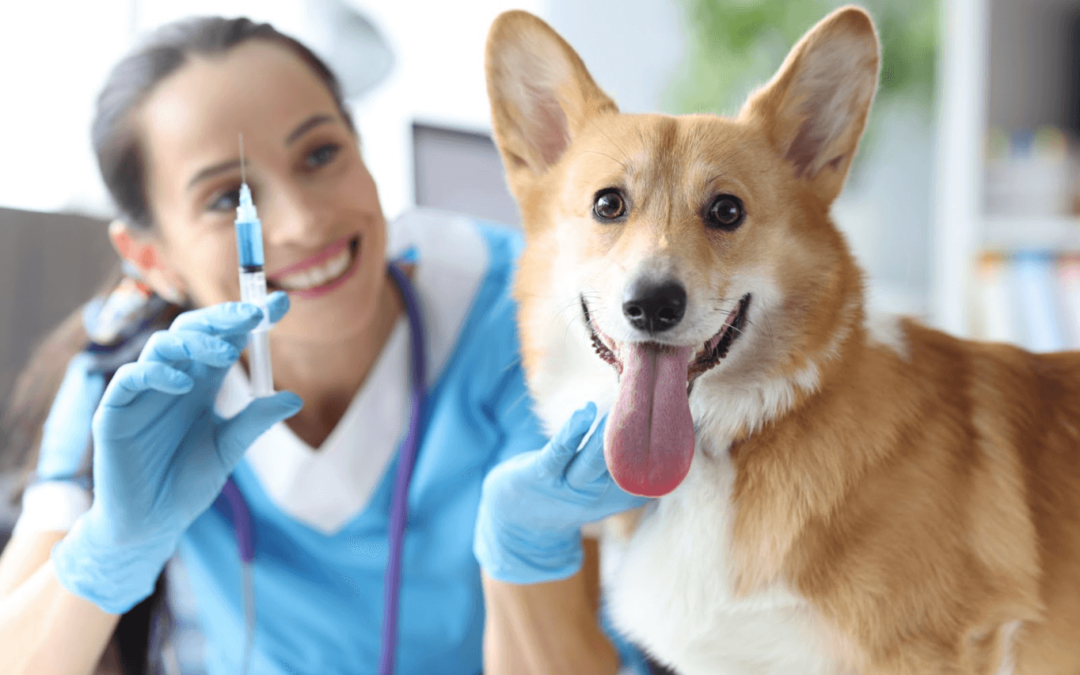
Vets do a risk check. They look at location, lifestyle, and health. When you hear What Vaccines Do Dogs Need Yearly? know that the answer is personal.
Factors vets consider
- Geographic risk: Are certain diseases common where you live?
- Lifestyle: Does your dog go to daycare, hike, or board frequently?
- Age and health: Older dogs or immunocompromised dogs may need different plans.
- Legal rules: Rabies laws override clinical choices in many regions.
A typical vet visit includes a vaccine discussion. Expect your vet to ask about travel, exposure, and prior reactions. That conversation is the best way to get the right yearly plan for your dog.
Quick PAA-style questions
How often should my dog get rabies?
Rabies schedules vary by law and vaccine type. Commonly a one-year booster follows the puppy shot, then boosters every 1 or 3 years.
Can titers replace yearly boosters?
Titers can show immunity for some diseases, but they do not always replace legal rabies vaccines. Ask your vet for a tailored plan.
Is bordetella necessary every year?
If your dog uses kennels or daycares, yearly or semiannual bordetella shots are often recommended. Low-exposure dogs may skip it.
Safety, side effects, and what to watch for
Vaccines are generally safe. Side effects are usually mild. Knowing what to expect eases worry when you ask What Vaccines Do Dogs Need Yearly?
Common mild reactions
- Soreness at the injection site
- Low energy or mild fever for a day
- Small lump under the skin that fades in weeks
Rare but serious reactions
- Hives, facial swelling, severe vomiting, or collapse
- These need immediate vet care
Practical tips from experience
- Stay at the clinic for 10–15 minutes after a vaccine if your dog has had prior reactions.
- Keep a vaccine record and note any past issues.
- If your dog reacts, report it. We adjust future plans and may pre-treat or split vaccines.
I once had a dog that developed a mild fever after a combo shot. We monitored at home, gave supportive care, and the dog recovered in 24 hours. That experience taught me to always inform owners about normal reactions and red flags.
Cost, scheduling, and practical tips to stay current yearly
Cost and scheduling matter for busy pet owners. When asking What Vaccines Do Dogs Need Yearly? you also want to know how to afford and track them.
Ways to manage cost
- Bundle vaccines with annual exams for a single visit.
- Look for community vaccine clinics for low-cost rabies shots.
- Ask about payment plans or wellness plans at your clinic.
Scheduling tips
- Set phone or calendar reminders one month before the due date.
- Keep a printed vaccine card or digital photo for records.
- Plan vaccines before travel or boarding to meet facility rules.
Practical advice
- Combine vaccines with a wellness exam to catch health issues early.
- Bring a list of past vaccines and reactions to each visit.
- Keep your dog comfortable after shots with rest and treats.
Frequently Asked Questions of What Vaccines Do Dogs Need Yearly?
What core vaccines should every dog have?
Every dog should have rabies and core combination vaccines that protect against distemper, parvovirus, and adenovirus. These vaccines protect against life-threatening diseases.
Can my dog skip annual shots if they seem healthy?
You should not skip vaccines without consulting your vet. A vet will assess risk and may use titers to guide decisions, but rabies often cannot be skipped legally.
How soon can puppies start getting vaccinated?
Puppies usually start vaccinations at 6 to 8 weeks of age and continue every 3 to 4 weeks until about 16 weeks. This builds strong early immunity.
Are vaccine side effects common?
Most side effects are mild and short-lived, like sleepiness or soreness. Serious reactions are rare but need immediate care.
Do indoor dogs need yearly vaccines?
Indoor dogs still need many core vaccines and often need some non-core shots depending on local disease risks. Discuss lifestyle and region with your vet.
Can vaccines cause long-term health problems?
There is no strong evidence that routine vaccines cause long-term harm in most dogs. Vaccination plans are designed to balance benefit and small risk.
Conclusion
Protecting your dog means matching vaccines to risk. Know that the short answer to What Vaccines Do Dogs Need Yearly? depends on core needs, local rules, and your dog's life. Review your dog's vaccine plan with a trusted vet, keep records, and use reminders to stay current. Take one small step today: check your dog’s vaccine card and book a vaccine review with your vet. Share your questions or experiences in the comments and keep your dog healthy and happy.