
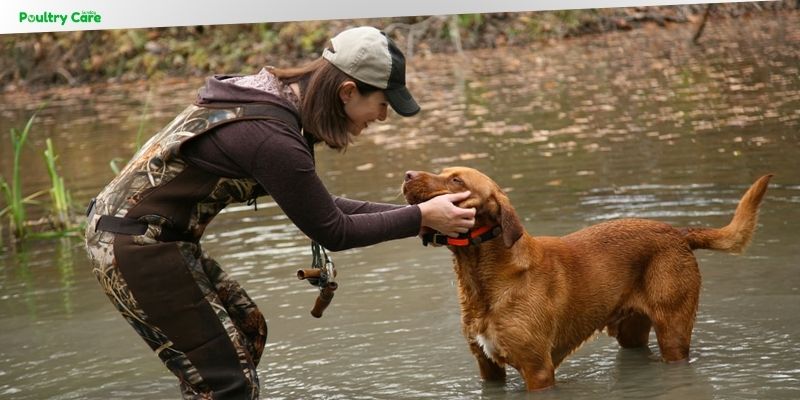
Train a duck dog with early socialization, steady obedience, and gradual water‑retrieval drills.
I’ve trained and hunted with retrievers for years, and I’ll walk you through how to train a duck dog from puppyhood to the blind. This guide covers clear steps, real tips I learned in the marsh, and practical drills you can use today. You’ll get a step-by-step plan, safety notes, troubleshooting, and short answers to common questions so you can confidently train a duck dog that is steady, eager, and safe in the field.
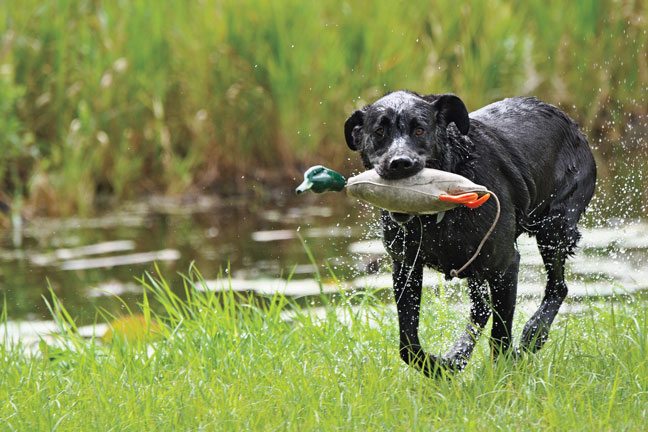
Why train a duck dog?
Training a duck dog builds safety, repeatability, and trust in the field. A trained dog retrieves birds cleanly, stays steady to wing and shot, and follows handlers’ signals.
A good training plan takes time and patience. When you train a duck dog well, hunts become safer and more successful. You avoid lost birds, dangerous behavior, and stress for both dog and hunter.

Training fundamentals every owner must know
Focus on four core skills when you train a duck dog: basic obedience, recall, steadiness, and marking. Teach each skill in short sessions and build them slowly.
Basic obedience
- Sit, down, stay, and come form the foundation.
- Use consistent cues and simple rewards like treats or toys.
- Short sessions work best—5 to 10 minutes several times a day.
Recall and whistle work
- Reliable recall is essential to train a duck dog for safety.
- Teach recall on a long line first, then practice off-leash in safe areas.
- A single-note whistle can add range and clarity.
Steadiness to wing and shot
- Steadiness means the dog holds until released.
- Introduce fake wing-flapping and gentle noise before live birds.
- Build steady behavior with progressive proofing close to action.
Marking and memory
- Marking is the dog’s ability to watch where a fall occurred.
- Use bumpers and short throws, then add distance gradually.
- Train blind retrieves so your dog can handle missed marks.
Socialization and water confidence
- Expose pups to different people, dogs, and water early.
- Let them explore shallow water with encouragement.
- A confident duck dog will handle weeds, cold water, and slippery banks.
People also ask
How soon can I start training a duck dog?
Start basic handling and socialization at 8 weeks. Begin simple commands then, and add field drills after 12–16 weeks.
Should I use a whistle or voice?
Use both, but train a clear whistle cue for long-range recalls and voice for close work. Consistency makes signals reliable.
Is steadiness natural or trained?
Some steadiness is natural, but steady field work requires patient, layered training and proofing.

A step-by-step training plan: puppy to hunting partner
This plan gives a timeline and tasks to train a duck dog from 8 weeks to a mature hunting dog.
8 to 16 weeks: foundation
- Socialize in many settings and handle paws, ears, and collar.
- Teach sit, down, come, and name recognition.
- Introduce water with toys and praise. Keep it fun.
4 to 6 months: build drive and retrieves
* Start short retrieves with bumpers on land.
- Add simple heel and loose-leash walking.
- Begin whistle conditioning and long-line recalls.
6 to 12 months: steadying and distance
- Increase distance on marks and retrieve complexity.
- Teach steadiness to dummy wings and noise.
- Start cold-water retrieves if dog is confident.
12 to 24 months: field work and proofing
- Introduce live flyers and decoy drills.
- Teach blind retrieves with flags and hand signals.
- Practice gunfire at low intensity, increasing gradually.
2 years and up: refine and specialize
- Focus on speed, steadiness, and pattern work.
- Do full-penetration drills—multiple marks, blinds, and hides.
- Hunt in different cover types to proof behavior.
Training tips
- Keep sessions short and positive.
- Train 4–5 times a week in short bursts.
- Track progress and repeat basics often.

Field drills and water work for duck dog success
Field drills teach practical skills you will use on a hunt. Repeat them in varied conditions so your duck dog learns to perform under stress.
Land marking drills
- Single mark: throw a bumper and reward a clean fetch.
- Double mark: throw two bumpers in different directions to test memory.
- Add distance and blind retrieves as confidence grows.
Water retrieves
- Start in shallow, calm water. Use a toy the dog loves.
- Add weeds, waves, or cold water slowly.
- Practice entries from a bank, dock, and boat.
Blind work and handling
- Teach flags and hand signals for blind directions.
- Use short blinds first, then increment length and complexity.
- A trained duck dog listens to voice, whistle, and hand signals.
Gun and shot desensitization
- Begin with cap guns or starter pistols at a distance.
- Pair noise with positive rewards.
- Move closer as the dog stays calm.
Hunting pattern drills
- Simulate real hunts with decoys and callers.
- Practice quartering, sentry drills, and boat/shore retrieves.
- Rotate drills so your dog handles surprises.
Equipment, health, and safety
Right gear and health practices protect both you and your dog as you train a duck dog.
Essential gear
- Bumpers and dummies in varied sizes for land and water.
- A high-visibility vest for boat work or marshes.
- A long line for early recall work and safe off-leash training.
Optional tools and caveats
- A dog whistle helps long-range control.
- E-collars can aid distance control but require expert use and ethics; use only after professional guidance.
- GPS collars help find dogs in thick cover, but don’t replace good recall.
Health and safety
- Keep vaccines and parasite prevention up to date.
- Avoid lead shot areas; pick up spent shot to prevent poisoning.
- Check paws and ears after swims for injury and infection.
Boat and water safety
- Use life jackets for dogs in rough water or cold conditions.
- Teach a safe exit and entry technique for docks and boats.
- Never push a fearful dog into deep water; build confidence instead.
Troubleshooting common problems
Problems happen. Here’s how to fix common issues when you train a duck dog.
Refuses water or docks
- Build confidence slowly in shallow water.
- Use favorite toys and a calm helper to coax entries.
- Praise every step toward success.
Poor recall or chasing
- Return to long-line recall drills with high-value rewards.
- Reduce distractions and reward every correct return.
- Make coming back more fun than running off.
Gun shyness or noise fear
- Desensitize with low-level noise paired with treats.
- Move slowly and celebrate calm behavior.
- Consider a pro trainer if fear is intense.
Stealing birds or dropping retrieve
- Value trade: offer a treat for the bumper or bird before release.
- Teach a firm but fair "drop" command on low-value items first.
- Reinforce hold and release in many contexts until reliable.
Overexcitement on retrieves
- Teach steadiness before releases.
- Use structured waits and short sits before allowing the dog to take the bumper.
- Slow pace reduces mistakes.
Training schedule, tracking, and tips from field experience
A simple routine makes it easy to train a duck dog without burning out.
Weekly plan example
- 4 short obedience sessions of 10 minutes.
- 2 marking or blind sessions of 15–20 minutes.
- 1 long play/reward day with hunting-style drills.
Track progress
- Keep a notebook with dates, drills, and dog reaction.
- Note what worked and what needs more proofing.
- Adjust the plan based on progress, not on calendar.
Lessons I learned in the marsh
- Patience beats force. Building steadiness took longer than I thought.
- Keep sessions fun. A tired, happy dog learns faster.
- If a drill breaks the dog’s confidence, step back one stage and rebuild.
Motivation and consistency
- Praise genuinely and reward immediately.
- Rotate toys and treats to keep interest high.
- Train with a friend or club for variety and real-world proofing.
Frequently Asked Questions of How To Train A Duck Dog?
How long does it take to train a duck dog?
Training varies by breed, temperament, and time invested. Most dogs reach basic hunting readiness in 12–24 months with consistent work.
What breeds make the best duck dogs?
Retrievers like Labs, Goldens, and Chesapeake Bay dogs are common. Spaniels and other flushing breeds also excel in certain waterfowl roles.
Can I train a duck dog alone, or do I need a trainer?
You can train a duck dog alone with good resources and patience. A professional trainer helps with advanced drills and problem behaviors.
Should I use live birds during training?
Use live flyers or dead birds carefully, and only after steady basics and ethical handling training. Many trainers use bumpers and clappers before live birds.
Is an e-collar necessary to train a duck dog?
No, it is not necessary. E-collars can help with distance control but must be used responsibly and only by experienced handlers or pros.
How do I prevent my dog from eating ducks or birds?
Teach a strong "leave" and "drop" command early. Use value trades and controlled rehearsals to reinforce safe release behavior.
Conclusion
Training a duck dog is a steady, rewarding journey. Start with strong basics, build water confidence, and layer field skills slowly. Use short, fun sessions and proof skills in real conditions. With patience and consistent work, you’ll have a dog that is safe, steady, and a joy to hunt with. Try one new drill this week, track your progress, and share your story or questions in the comments to keep learning.