
Consistent socialization, calm greeting rules, and reward-based training stop dogs from biting strangers.
I’ve worked with many dogs and owners to prevent bites. This guide on How To Train A Dog Not To Bite Strangers? blends proven training steps, safety tactics, and real-world tips so you can build calm, predictable behavior around new people. Read on for clear steps, signs to watch, and practical examples you can use today.
Why dogs bite strangers: causes, warning signs, and context
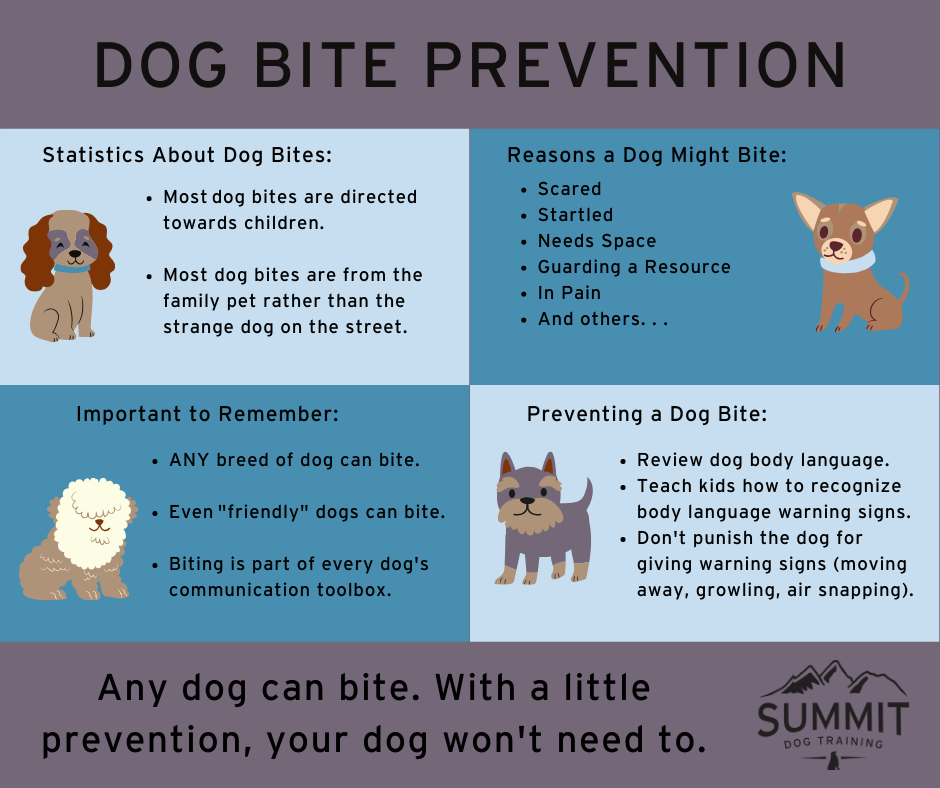
Dogs bite for many reasons. They can be scared, in pain, protective, or poorly socialized. Some breeds or individual dogs have a lower threshold for stress.
Common triggers include
- Sudden approaches or loud noises.
- Reaching over a dog’s head or touching sensitive areas.
- Fast movements toward puppies or food.
- Past trauma or lack of early socialization.
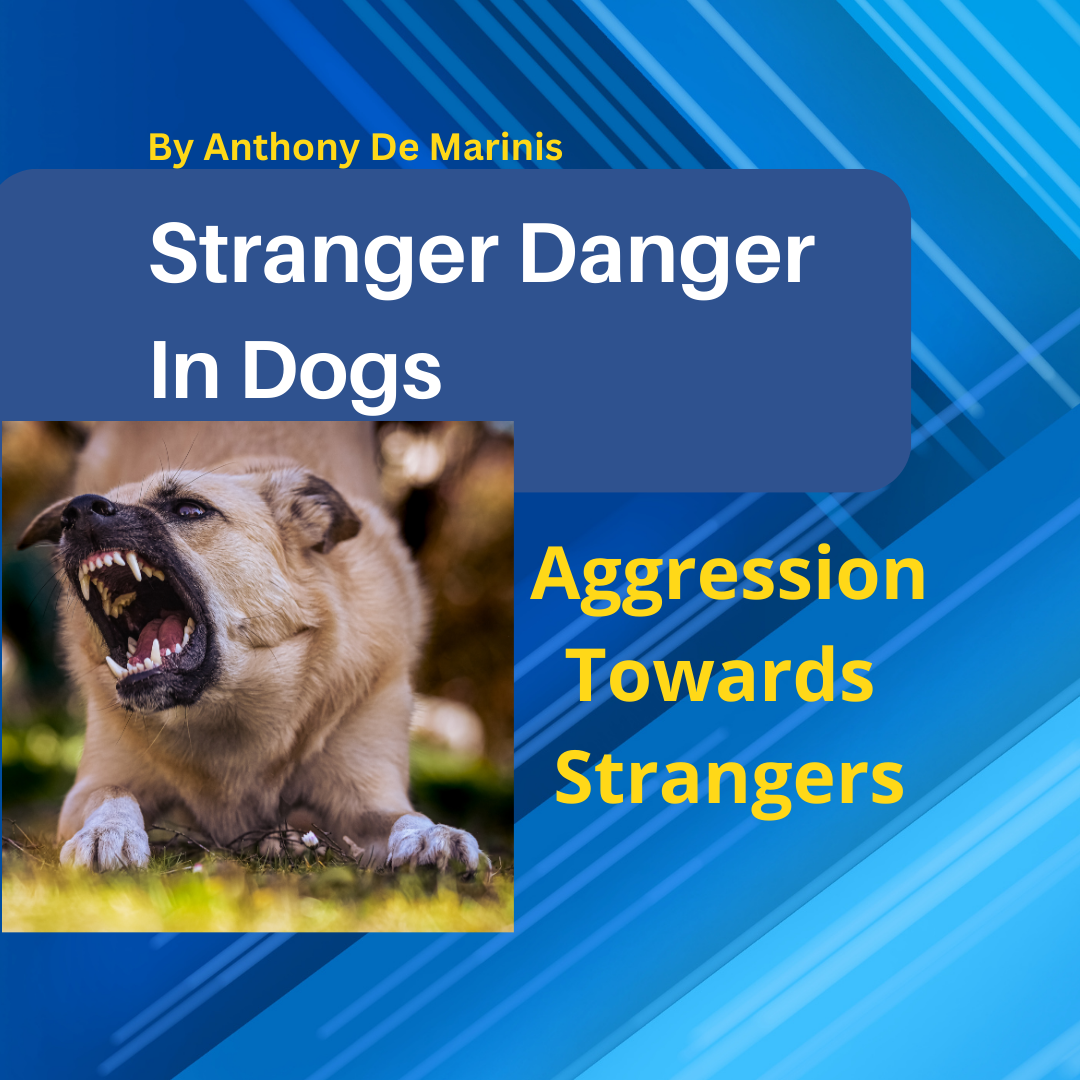
Watch for warning signs before a bite
- Stiff body or frozen posture.
- Growling, lip lifting, or showing teeth.
- Avoidance, pinned ears, or whale eye.
- Sudden changes in appetite or sleep.
Understanding these causes helps you answer How To Train A Dog Not To Bite Strangers? by reducing triggers and building trust.
:strip_icc()/dogs-and-aggression-1118229_source_file-3230147e3a8247789205e7e6a5da0cd3.jpg)
Core principles to prevent biting
Use simple, consistent rules. Training should be calm and reward-based. Avoid punishment that increases fear.
Key principles
- Reduce stressors in the environment.
- Teach alternative behaviors, like sit or look.
- Reinforce calm reactions to people and sounds.
- Start training early and repeat often.
These principles shape every step when you ask How To Train A Dog Not To Bite Strangers? Use them to keep training predictable and humane.
Step-by-step training plan to stop biting
Follow clear, short steps. Train in small sessions. Increase difficulty slowly.
-
Build trust and basic cues
- Teach sit, stay, and look at me. Use treats and praise.
- Practice these skills daily for 5 to 10 minutes.
-
Controlled socialization
- Introduce calm, well-behaved people one at a time.
- Keep distance where the dog is relaxed. Reward calm behavior.
-
Teach a safe greeting routine
- Ask strangers to ignore the dog until it sits and looks calm.
- Reward the dog only when it meets the calm criteria.
-
Desensitization and counterconditioning
- Gradually expose the dog to triggers at low intensity.
- Pair each exposure with high-value treats or favorite toys.
-
Use a safety plan for real-world encounters
- Use a leash and a short lead for control.
- Step in between the dog and stranger if needed. Redirect to a trained cue.
-
Generalize training
- Practice in different places and with different people.
- Increase distance then decrease it as the dog succeeds.
-
Maintain progress
- Keep short refresh sessions.
- Reward calm greetings long-term.
This clear plan answers How To Train A Dog Not To Bite Strangers? by giving repeatable steps you can use today.

Managing greetings, leashes, and household safety
Safe handling stops most incidents. Use gear and rules that reduce risk.
Practical steps
- Use a sturdy leash and proper fitting collar or harness.
- Teach visitors to stand still, avoid direct eye contact, and offer treats if the dog is ready.
- Create safe spaces like crates or gated rooms where the dog can retreat.
- Keep children supervised and teach them how to approach dogs slowly.
My experience: I once had a frightened rescue who lunged at visitors. Short, consistent greeting rules and a crate for a safe exit reduced incidents in two weeks. Simple routines matter.
When to seek professional help
Some bites need expert intervention. Get help if behavior is severe or sudden.
Seek a professional when
- Biting is frequent or escalating.
- The dog bites without clear warning signs.
- The dog shows resource guarding or redirected aggression.
- You or your family fear for safety.
A certified trainer or veterinary behaviorist can assess medical issues, create a tailored plan, and provide supervised sessions. This is a key step for complex cases of How To Train A Dog Not To Bite Strangers?.

Common mistakes and how to avoid them
Mistakes slow progress. Avoid quick fixes and confusion.
Top mistakes
- Using punishment that increases fear.
- Inconsistent rules among family members.
- Rushing socialization too fast.
- Neglecting underlying medical problems.
Fixes
- Keep everyone on the same plan.
- Reward calm, ignore attention-seeking behavior.
- Slow the pace and back off when the dog shows stress.
Learning from my errors: I once mixed “no” with reward timing. The dog got confused. Clear timing and consistency were the fix.

PAA-style questions about How To Train A Dog Not To Bite Strangers?
How long does training take?
Training time varies by dog. Expect weeks to months with regular short sessions, and longer for serious issues.
Can older dogs learn not to bite strangers?
Yes. Older dogs can learn new responses. Progress may be slower, but consistent, reward-based work helps.
Is muzzling a good long-term solution?
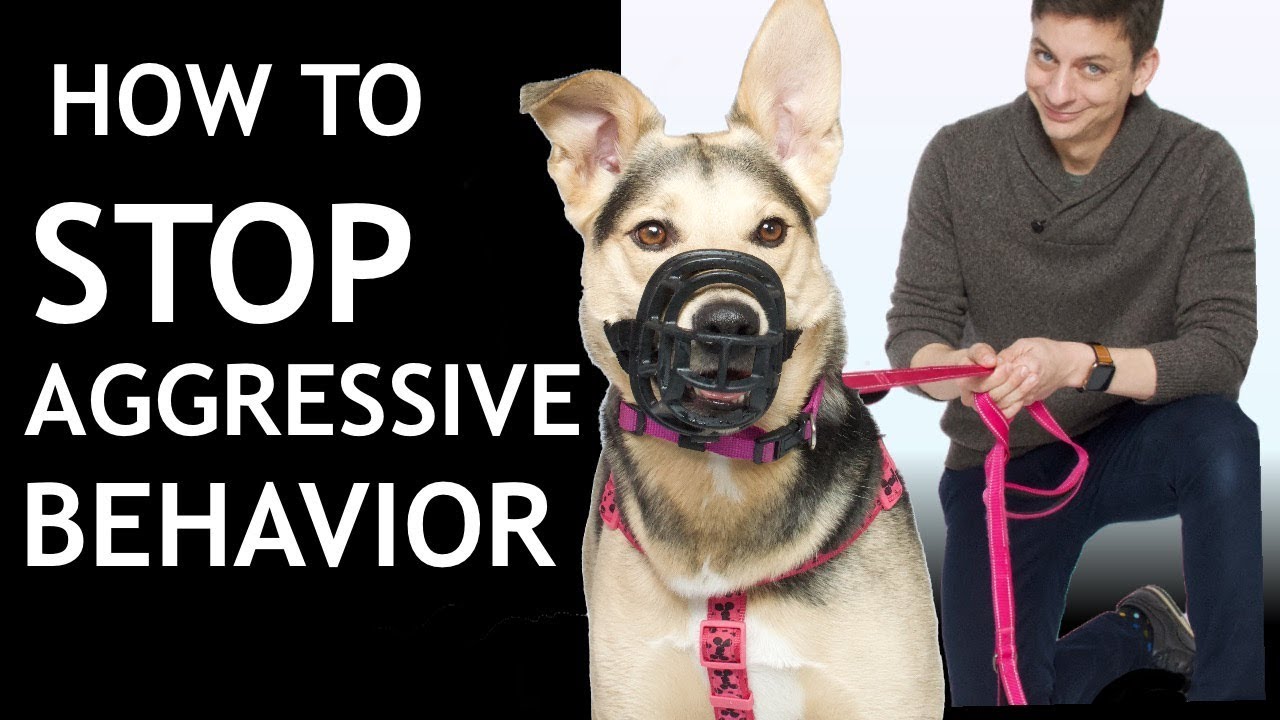
Muzzles are a safety tool, not training. Use them temporarily while you work with a trainer to change behavior.
These short answers help when you search How To Train A Dog Not To Bite Strangers? and want quick clarity.
Frequently Asked Questions of How To Train A Dog Not To Bite Strangers?
What is the first step to stop a dog from biting strangers?
Start by identifying triggers and teaching basic cues like sit and look. Use distance to keep the dog comfortable during introductions.
How do I safely introduce my dog to new people?
Ask people to ignore the dog, approach slowly, and offer treats when the dog stays calm. Keep the dog on a leash and at a comfortable distance.
Can fear be the main cause of biting?
Yes, fear is a common cause. Address fear with gentle desensitization and positive reinforcement rather than punishment.
When should I use a professional trainer?
If bites are frequent, the dog shows sudden aggression, or you need a behavior plan beyond basic training, consult a certified professional.
Are certain breeds more likely to bite strangers?
Breed can influence tendencies, but individual experience, socialization, and training matter more than breed alone.
Conclusion
Teaching your dog not to bite strangers is a step-by-step process that combines safety, clear rules, and calm training. Start with trust-building, consistent greeting routines, and gradual exposure to new people. If problems persist, reach out to a professional for tailored help. Take action today: pick one short training step, practice it daily, and track progress. Share your experience or questions below to keep learning together.