
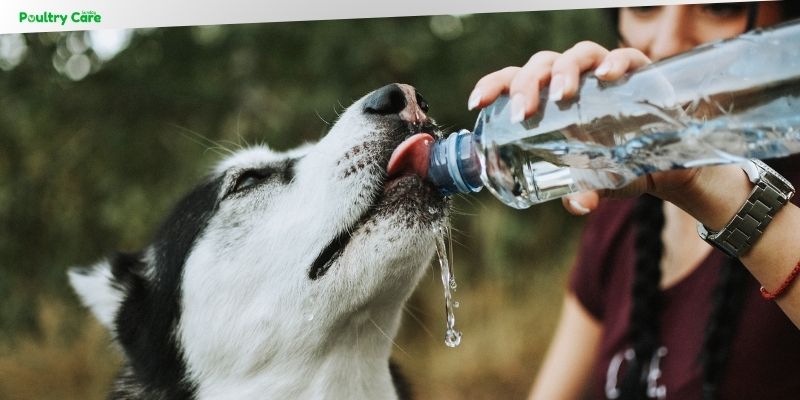
Yes — dogs can often drink well water, but safety depends on testing and local conditions.
I have worked with dog owners and vets for years, and I know that the question "Can Dogs Drink Well Water?" comes up a lot. This article explains when well water is safe, what risks to watch for, how to test water, and practical steps you can take to protect your dog. Read on for clear, usable guidance based on experience, common tests, and easy-to-follow prevention tips.
Is well water safe for dogs?
Many dogs drink well water without problems. Safety depends on the well, local geology, and nearby activities. Regular testing gives a clear answer for your home. If you test and treat water as needed, well water can be safe for most dogs.
Common contaminants in well water and how they affect pets
Dogs can be affected by many contaminants that may be found in well water. Here are the most common ones and what they can do.
- Nitrates and nitrites. These come from fertilizers and septic systems. They can cause weakness and breathing trouble in young animals.
- Bacteria and parasites. Coliform bacteria, E. coli, Giardia, and Cryptosporidium can cause diarrhea, vomiting, and fever.
- Heavy metals. Lead, arsenic, and manganese can cause long-term health issues like nervous system and organ damage.
- Chemicals and pesticides. Runoff from farms or industrial sites may contain harmful compounds that affect liver and kidney health.
- High mineral content. Hard water with lots of calcium and magnesium is rarely toxic but can cause stomach upset or contribute to urinary issues in some dogs.
Testing finds these problems early. If a well is near farmland, a septic system, or industrial sites, the risk is higher. When you ask "Can Dogs Drink Well Water?" testing is the first step to answer confidently.

Signs your dog may be affected by contaminated well water
Watch your dog for simple signs. Early detection helps avoid serious harm.
- Stomach upset and diarrhea. This is the most common sign.
- Vomiting and loss of appetite. These signs need quick attention.
- Lethargy or weakness. May point to nitrate poisoning or toxins.
- Unusual thirst or urination. Could signal kidney or urinary tract issues.
- Neurological signs. Tremors, seizures, or odd behavior may indicate heavy metal toxicity.
If you see any of these signs after switching to well water, stop using it and call your vet. Ask whether the symptoms could come from water. Keep a sample for testing if advised.

How to test well water for your dog
Testing is simple and affordable. Follow this plan.
- Start with a basic bacterial and nitrate test. These tests are widely available.
- Add tests for lead, arsenic, and other heavy metals if your property history suggests risk.
- Test for pesticides if you live near farms or have a history of chemical use.
- Test annually, or more often after flooding, well repairs, or nearby construction.
Use a certified lab for reliable results. Labs often provide a clear report and recommendations. Keep records of every test. These records help track changes over time and support treatment choices.
Treatment and filtration options for safe water
There are many ways to make well water safer for dogs. Choose the best mix for your situation.
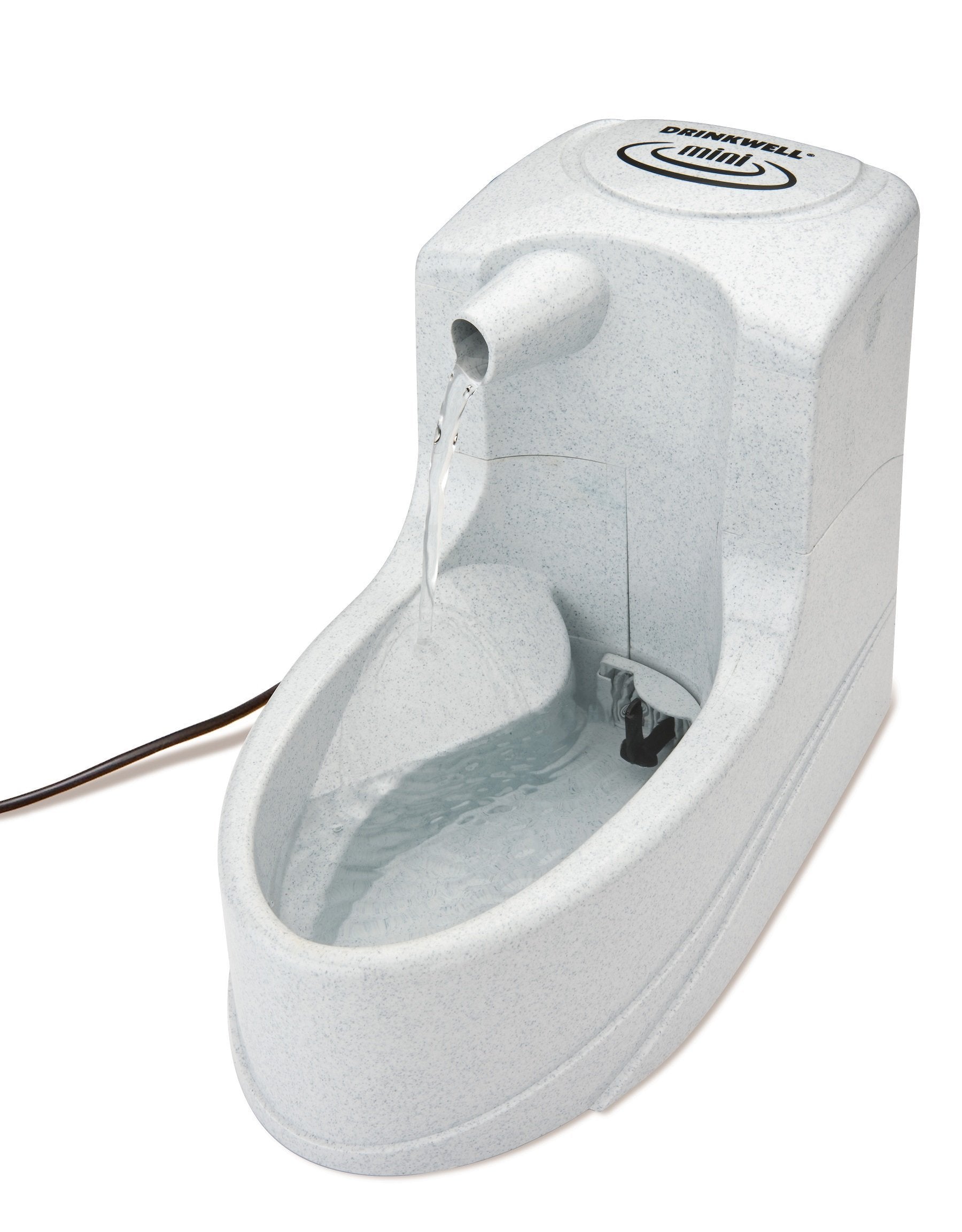
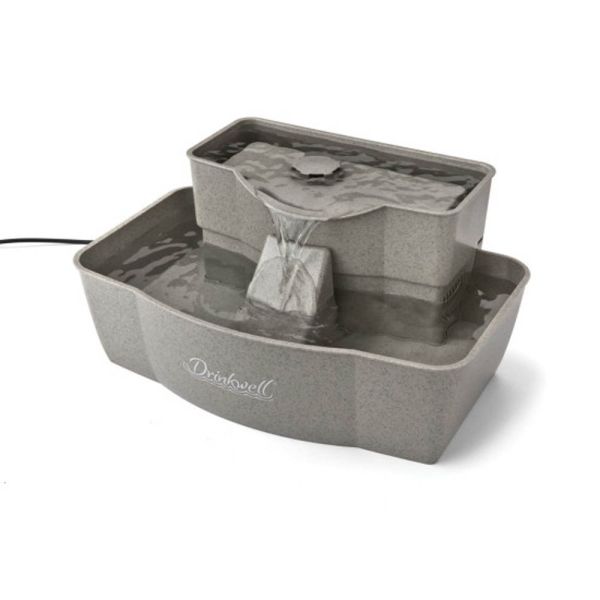
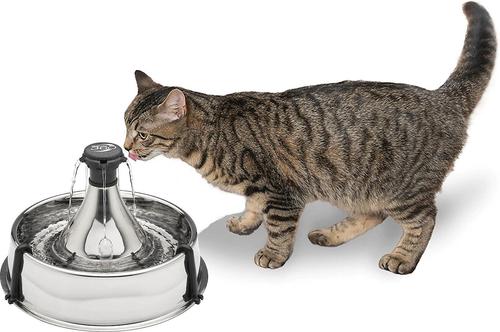
- Point-of-use filters. These include carbon filters and reverse osmosis systems for drinking water bowls. They remove many contaminants and improve taste.
- Whole-house systems. These are best if contaminants affect showers and sinks as well. They can include softeners, UV systems, and larger filters.
- UV sterilization. Kills bacteria and parasites without chemicals. Good for bacterial contamination.
- Reverse osmosis. Effective for salts, heavy metals, and many chemicals. Often used with a pre-filter to protect the RO membrane.
- Chlorination and shock treatment. Used for bacterial problems. Follow lab and local health guidance to set doses.
- Bottled or municipal water. Use temporarily if tests show dangerous contamination while you treat the well.
Match solutions to test results. For example, RO systems remove arsenic and lead, but not dissolved gases. UV kills microbes but does not remove heavy metals. Combine systems when needed for full protection.
Practical tips to reduce risk and protect your dog
Simple steps can cut risk and help you act fast if problems arise.
- Test regularly. Annual testing is a good rule of thumb.
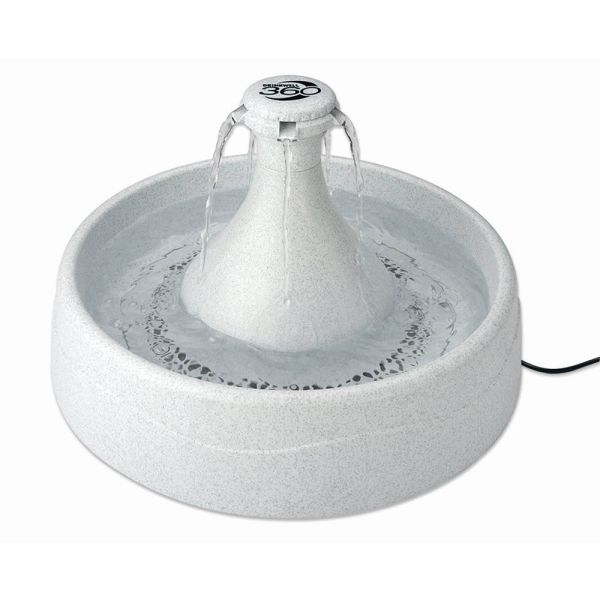
- Use filtered water bowls. A small RO or carbon filter at the sink can help.
- Keep your well well-maintained. Seal openings and disinfect after repairs.
- Monitor nearby land use. New construction or farm changes can affect water.
- Store a clean water supply for emergencies. Have safe bottled water on hand.
- Consult your vet when symptoms appear. Share water test results with them.
- Teach family members to watch for signs. Kids may miss subtle changes.
My own dog once had diarrhea after I let him drink from a neighbor’s yard. I tested our well right away. It showed nothing, but the neighbor had a broken septic pipe. We stopped allowing access and used a point-of-use filter for a month. Lesson: testing and vigilance are quick wins.
Addressing common concerns and myths
People often ask whether well water is better or worse than tap water. Here are clear answers.
- Well water is not automatically unsafe. Many wells are clean.
- Tap water is not automatically safer. Municipal systems also have risks, but they are tested regularly.
- Boiling helps with bacteria but not heavy metals or chemicals.
- Pets can handle small amounts of minerals, but high levels need treatment.
- If your dog drinks from puddles or streams, they face different risks like parasites and runoff.
When you think "Can Dogs Drink Well Water?" remember that context matters. Tests and treatments make a big difference.

Personal experience and lessons learned
I have advised dozens of dog owners on well water issues. Here are the key lessons I share.
- Test first. It gives a factual answer and calms worry.
- Start with simple fixes. A small carbon filter often solves taste and odor issues.
- Use professional help when needed. Well contractors and labs give solid guidance.
- Keep records. Tests and treatments create a history that helps future decisions.
- Be pragmatic. If tests take time, use bottled water for pets temporarily.
One family I worked with had repeated stomach issues in their dog. After testing, we found high nitrate levels from a nearby farm. They installed a reverse osmosis system and the dog recovered. Simple science saved a pet.

PAA-style questions (brief)
- Can Dogs Drink Well Water? Yes, if tests show no harmful contaminants and proper treatment is used.
- How often should well water be tested for dogs? Test at least once a year and after events like flooding or repairs.
- Does boiling well water make it safe for dogs? Boiling kills bacteria but does not remove heavy metals or many chemicals.
- What filter is best for dog drinking water? Reverse osmosis removes the most contaminants; carbon filters help with taste and organic chemicals.
- What immediate steps if a dog gets sick after drinking well water? Stop the water, give safe water, call your vet, and test the well.
Frequently Asked Questions of Can Dogs Drink Well Water?
Is untreated well water usually safe for dogs?
Untreated well water can be safe but not always. Testing is needed to confirm safety.
Can bacteria in well water make my dog sick?
Yes. Bacteria like E. coli or Giardia can cause diarrhea and illness in dogs and should be treated.
Are heavy metals a risk in well water for dogs?
Yes. Lead, arsenic, and others can cause long-term health problems if present at high levels.
Can I use bottled water for my dog instead of testing the well?
Bottled water is a safe short-term option while you test and treat your well, but testing the well is still important.
Will a household water softener protect my dog from all contaminants?
No. Softeners remove hardness salts but do not remove bacteria, many chemicals, or metals like arsenic. Use targeted filters as needed.
Conclusion
You can let your dog drink well water if you test regularly, treat problems, and keep an eye on symptoms. Simple steps like basic testing, using a quality filter, and keeping records make a big difference. Start by testing your well, use a proven filter if needed, and consult your vet for any signs of illness. Take action today: schedule a water test, add a filtered bowl, and protect your dog with a little planning. Leave a comment or share your experience below — I’d love to hear how you keep your dog’s water safe.