

Last Updated on March 11, 2026
Mini Poodles demand dedicated care routines that address their distinctive coat requirements, moderate exercise needs, and sharp intelligence. Success in raising these dogs depends on establishing consistent grooming schedules, providing appropriate physical activity, and engaging their problem-solving abilities through enrichment activities. Owners who understand these core care components create environments where Mini Poodles thrive physically and mentally throughout their lives.
Professional Grooming Requirements for Mini Poodle Coat Maintenance
The Mini Poodle’s continuously growing, curly coat requires professional grooming every six to eight weeks to maintain health and appearance. This non-shedding coat traps loose hair within its curls, preventing it from falling onto furniture and floors. Without regular trimming, the coat becomes matted and uncomfortable, pulling at the skin and creating environments for bacterial growth.
Professional groomers provide services beyond simple haircuts. They clean ears to prevent infections common in dogs with hanging ear flaps that restrict air circulation. Nail trimming maintains proper foot structure and prevents painful overgrowth that can affect gait. Anal gland expression addresses blockages that cause discomfort and potential infection. Many owners of breeds with similar coat types, such as miniature goldendoodle dogs, follow comparable grooming schedules to manage their high-maintenance fur.
Selecting a clip style depends on lifestyle and aesthetic preferences. Puppy clips keep hair uniformly short across the body for easy maintenance between appointments. Sporting clips leave slightly more length while maintaining practicality for active dogs. Continental and English Saddle clips showcase the breed’s elegance but require more extensive grooming knowledge to maintain properly.
At-Home Grooming Practices Between Professional Appointments
Daily brushing prevents mat formation and distributes natural oils throughout the Mini Poodle’s coat. This essential practice takes 10 to 15 minutes and should reach the skin rather than simply smoothing surface hair. Slicker brushes remove tangles effectively, while metal combs verify that no mats hide beneath the outer coat layer.
Key at-home grooming tasks include:
- Line brushing technique for thorough detangling. This method involves parting the coat in sections and brushing from skin to tip in layers. Starting at the feet and working upward ensures complete coverage without missing hidden mats that develop in high-friction areas.
- Eye area cleaning to prevent tear staining. Mini Poodles commonly develop reddish-brown staining beneath their eyes from tear overflow. Daily wiping with tear stain wipes or diluted cleaning solutions minimizes discoloration and prevents skin irritation in this delicate area.
- Paw pad hair trimming for traction and hygiene. Hair growing between foot pads collects debris and causes dogs to slip on smooth floors. Carefully trimming this hair with blunt-tipped scissors every two weeks maintains proper foot function and cleanliness.
- Sanitary area maintenance for cleanliness. Keeping hair short around the genital and anal regions prevents waste from clinging to fur. This trim requires careful attention but significantly improves hygiene between baths.
Bathing frequency depends on activity level and coat condition, typically ranging from every three to six weeks. Using moisturizing shampoos formulated for curly coats prevents dryness while maintaining curl definition. Thorough rinsing removes all product residue that can cause skin irritation or attract dirt.
Daily Exercise Routines for Mini Poodle Physical Health
Mini Poodles require 30 to 60 minutes of exercise daily, split into multiple sessions that accommodate their energy patterns. Morning walks provide bathroom opportunities while burning energy that might otherwise manifest as indoor restlessness. Evening activities offer bonding time and help dogs settle before bedtime.
Variety in exercise types prevents boredom while engaging different muscle groups. Leash walks on varied terrain build cardiovascular endurance and expose dogs to environmental stimulation. Off-leash play in secure areas allows natural running and exploration that leashed walks cannot provide. Fetch games combine physical activity with training reinforcement when dogs reliably return toys on command.
Weather considerations influence exercise approaches throughout the year. Mini Poodles tolerate cold reasonably well but benefit from protective clothing during extended winter outings. Their coat offers some insulation, though wet conditions reduce its effectiveness. Hot weather requires exercise during cooler morning and evening hours to prevent overheating, as dogs dissipate heat less efficiently than humans.
Adapting Exercise for Different Life Stages
Puppies under six months need shorter, more frequent activity periods to protect developing joints from excessive stress. Five-minute sessions multiple times daily suit young Mini Poodles, gradually increasing as they mature. Avoiding repetitive jumping and hard surface running during growth phases reduces injury risks.
Senior dogs maintain exercise needs but may require adjusted intensity and duration. Arthritis or other age-related conditions necessitate gentler activities like swimming or slow-paced walks. Monitoring for signs of fatigue such as excessive panting or lagging behind ensures activities remain beneficial rather than exhausting.
Mental Enrichment Activities for Mini Poodle Intelligence
Mini Poodles rank among the most intelligent breeds, requiring mental stimulation that matches their cognitive abilities. Without appropriate challenges, these dogs develop undesirable behaviors including excessive barking, destructive chewing, and attention-seeking antics. Enrichment activities channel their intelligence into productive outlets that strengthen the human-canine relationship.
Puzzle toys offer solo entertainment that engages problem-solving skills. Treat-dispensing toys require dogs to manipulate components to access food rewards, providing mental exercise during times when owners cannot actively engage. Rotating toy selection maintains novelty and prevents dogs from losing interest in familiar challenges.
Effective enrichment strategies include:
- Scent work games for natural hunting instincts. Hiding treats or toys throughout the home encourages dogs to use their exceptional sense of smell. Starting with easy locations and progressing to more difficult hiding spots builds confidence while providing satisfying challenges.
- Training new tricks and commands regularly. Mini Poodles excel at learning complex behaviors beyond basic obedience. Teaching tricks like backing up, spinning, or retrieving specific objects by name exercises their minds while impressing friends and family.
- Food puzzle variations during mealtimes. Serving meals in slow-feed bowls, snuffle mats, or puzzle feeders extends eating time while adding mental enrichment to daily routines. This approach particularly benefits dogs prone to eating too quickly.
- Interactive play sessions with varied games. Tug-of-war, hide-and-seek, and chase games provide social enrichment that strengthens bonds. These activities combine physical exercise with mental engagement as dogs anticipate movements and respond to changing situations.
Nose work classes introduce formal scent detection training that taps into natural canine abilities. Many communities offer beginner through advanced courses where dogs learn to identify specific scents and indicate their locations. This sport suits Mini Poodles perfectly, providing appropriate physical exertion combined with intense mental focus.
Creating a Stimulating Home Environment for Mini Poodles
Environmental enrichment extends beyond scheduled activities to include the overall living space design. Window perches allow dogs to observe outdoor activity, providing visual stimulation during rest periods. Safe chew toys in various textures satisfy natural chewing instincts while protecting furniture and household items.
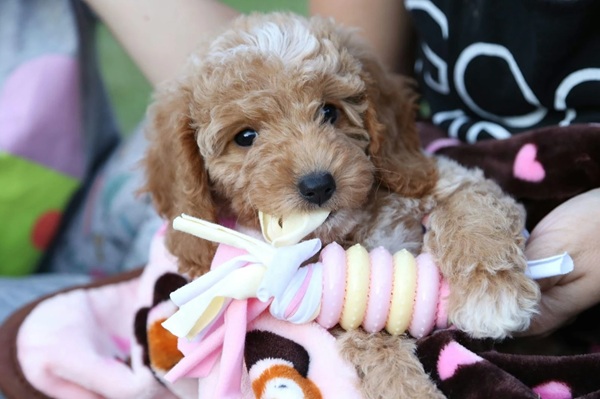
Rotation schedules for toys and enrichment items maintain interest levels over time. Keeping some toys stored away and reintroducing them every few weeks creates renewed excitement. This strategy proves more economical than constantly purchasing new items while maximizing engagement with existing resources.
Background sounds like television or music can provide comfort for dogs spending time alone, though some Mini Poodles prefer silence. Experimenting with different audio environments helps identify individual preferences. Avoid leaving dogs alone for extended periods, as this social breed suffers from isolation despite environmental enrichments.
Socialization Opportunities for Well-Adjusted Mini Poodles
Ongoing socialization throughout a Mini Poodle’s life maintains friendly, confident temperaments. Regular exposure to different people, dogs, and environments prevents fear-based reactivity that can develop without continued experiences. Puppy socialization classes provide structured introductions during critical developmental periods.
Dog parks offer socialization opportunities but require careful monitoring to ensure positive interactions. Mini Poodles’ smaller size makes them vulnerable to rough play from larger dogs lacking awareness of their own strength. Selecting times when smaller dogs frequent parks or arranging play dates with known compatible dogs provides safer alternatives.
Pet-friendly stores, outdoor cafes, and neighborhood walks expose Mini Poodles to various sights, sounds, and smells that build confidence. Carrying high-value treats during these outings allows positive reinforcement when dogs remain calm around novel stimuli. Gradual exposure prevents overwhelming experiences that create lasting negative associations.
Read More – Most Energetic Dog Breeds and How to Handle Them
Final Words
Successful Mini Poodle care requires commitment to regular grooming, appropriate exercise, and mental enrichment activities that engage their intelligence. Daily brushing prevents coat problems between professional grooming appointments, while varied exercise routines maintain physical fitness across life stages. Enrichment through puzzle toys, training, and socialization creates well-adjusted dogs that thrive in their homes. Owners who embrace these care requirements enjoy rewarding relationships with these clever, affectionate companions who return invested effort with years of devoted companionship.