Last Updated on September 23, 2026
Start with solid obedience, steady field work, positive reinforcement, and staged bird exposure for success.
I’ve trained multiple bird dogs across seasons and climates. I know what works and what does not. This guide explains how to train a bird dog step by step. You will get clear methods, common mistakes, and simple drills you can use today. I blend field-tested tips with plain explanations so you can build a reliable hunting partner.
Understanding bird dogs: Instincts, types, and training goals
A bird dog is bred to find, point, flush, and retrieve birds. Different breeds bring different strengths. Pointers and setters lock on point. Retrievers fetch to hand. Spaniels quarter and flush close to the hunter. Knowing your dog’s breed helps shape how you train.
Training goals should be clear and simple. Set milestones like reliable recall, steady on flush, and clean retrieves. Short, daily sessions build skill fast. Expect steady progress over months, not days. From my experience, early structure speeds field learning and reduces bad habits.
Source: pheasantsforever.org
Basics: Foundational obedience every bird dog needs
Start with basic commands. These give you control in the field. Teach these early and keep practice short.
- Sit — Teach calm control before casting or flushing.
- Heel — Walk with control without tension on the lead.
- Come — Strong recall keeps your dog safe and effective.
- Stay — Teaches steadiness at blinds and on birds.
- Quiet/Leave it — Helps with unwanted chasing or picking up hazards.
Training tips
- Use short, 5–10 minute sessions to keep focus.
- Reward with high-value treats or a favorite toy.
- Train in low-distraction areas first, then add noise and scent.
From my work, a bird dog that masters recall and steadiness makes field drills far easier. Reinforce basics daily and mix obedience into play to stay fun.
Source: gundogmag.com
How to train a bird dog for pointing and quartering
Pointing and quartering tap into natural instincts. The goal is to shape those instincts into consistent behavior.
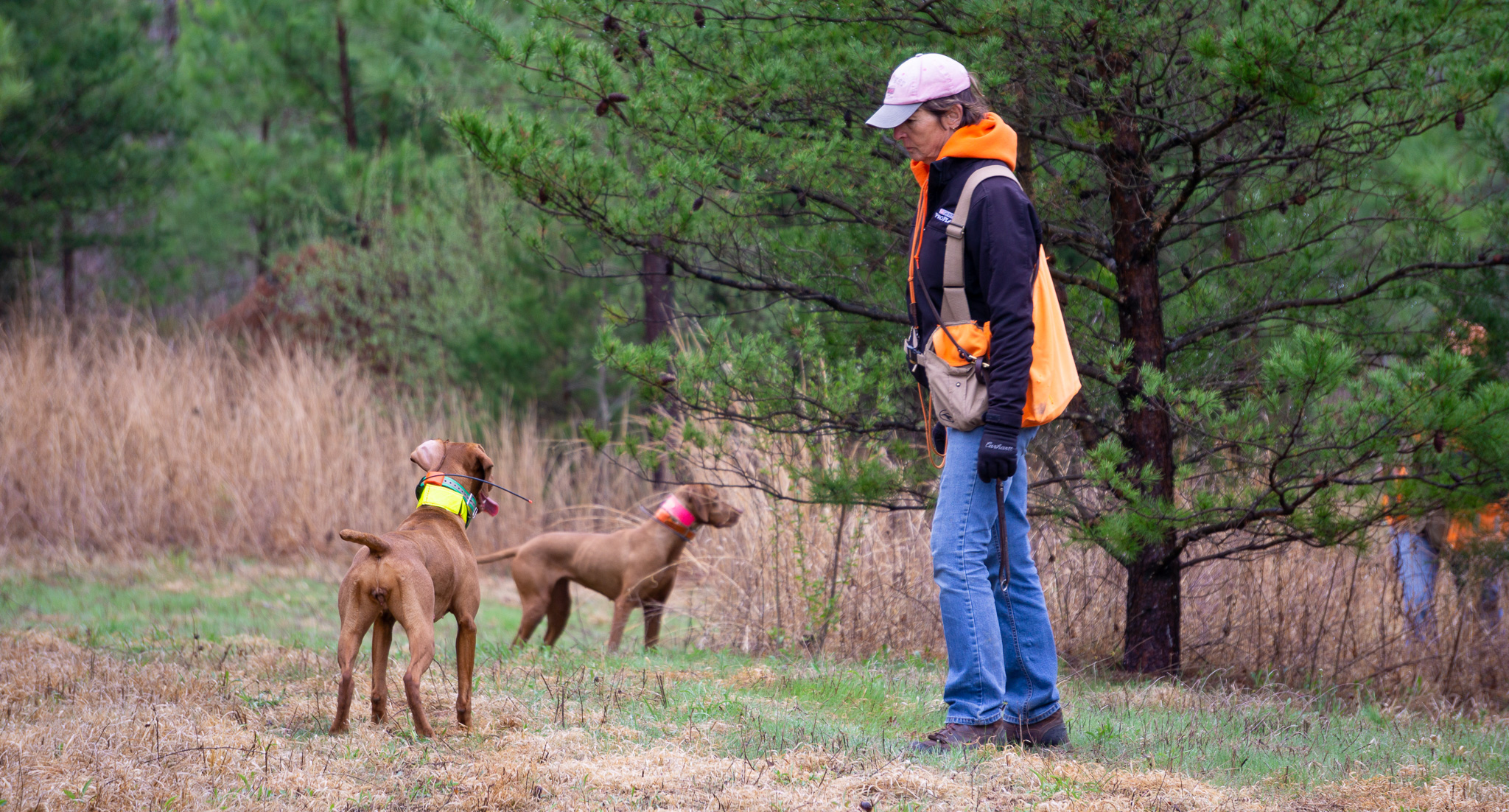
Start with field walks
- Walk your dog on long line in cover where birds live.
- Encourage nose work with buried scent toys or planted wing clippings.
- Praise the dog when it shows careful searching.
Shape the point
- Reward stillness when the dog freezes on scent.
- Use a clicker or marker word to mark the exact moment of the point.
- Gradually increase time the dog must hold to earn a reward.
Quartering practice
- Teach the dog to work in front and across your path.
- Use short cast directions and treat when the dog checks back.
- Slowly expand the search area as the dog learns range control.
Be patient. Some dogs point naturally. Others need more guidance. Keep sessions short and always end on a positive note.
Source: accidentalbirddog.com
Retrieving and steadiness: Building soft mouths and steady holds
Retrieving cleanly is a core skill for most bird dogs. Steadiness at shot and soft-mouth grip are critical.
Early retrieves
- Start with short throws of a bumper or dummy.
- Reward quick returns and calm delivery to hand.
- Teach “take” and “give” so the dog knows when to hold and when to release.
Soft mouth drills
- Offer rewards only when the dog holds gently.
- Use toy exchange games to reward soft holding.
- Avoid tug-of-war during retrieve drills to prevent hard mouths.
Steadiness at flush and shot
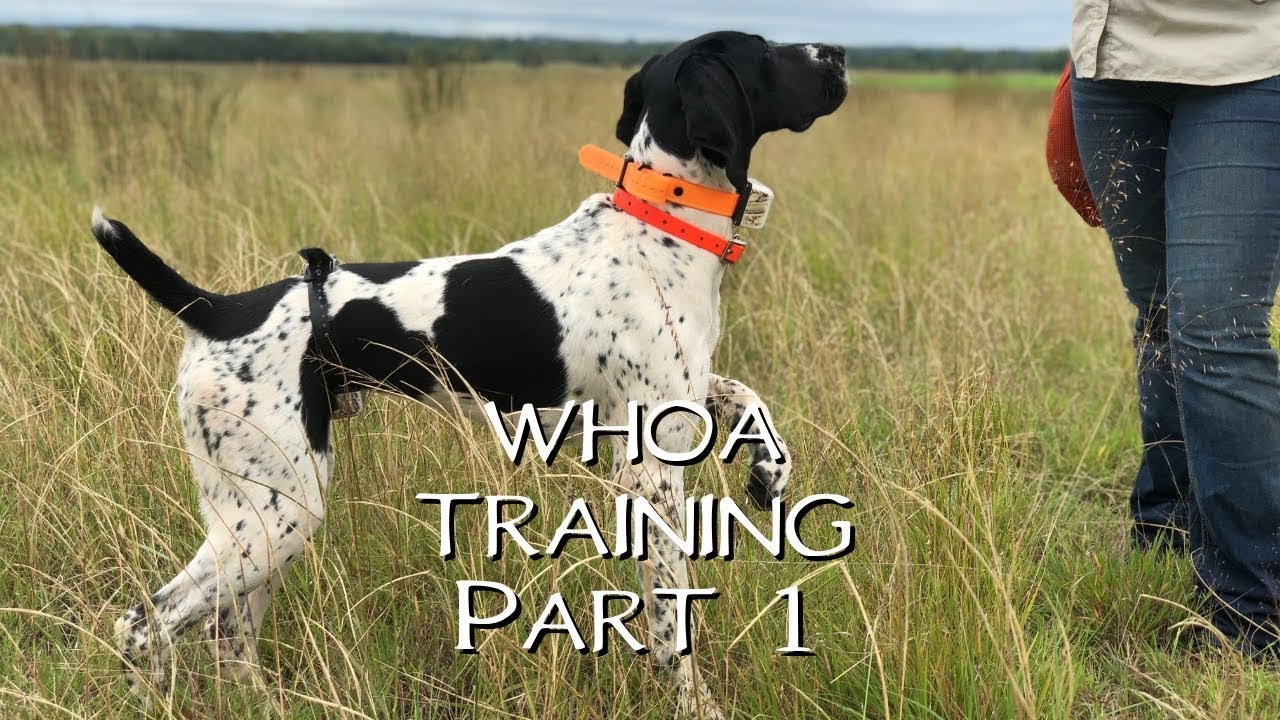
- Train the dog to sit or steady when birds flush.
- Add gunfire gradually using blanks or poppers, at low volume first.
- Reward the dog for staying put and for calm returns after the flush.
My tip: reward calm returns more than speed. A steady dog that returns reliably is worth more than a fast dog that drops or chews birds.
Source: youtube.com
Gun conditioning and exposure to live birds
Proper exposure keeps the dog confident and safe around birds and gunfire.
Gun conditioning
- Start with quiet noises and build up to gunfire.
- Use positive reinforcement immediately after sounds.
- Keep distance and volume low. Gradually close the gap.
Introducing live birds
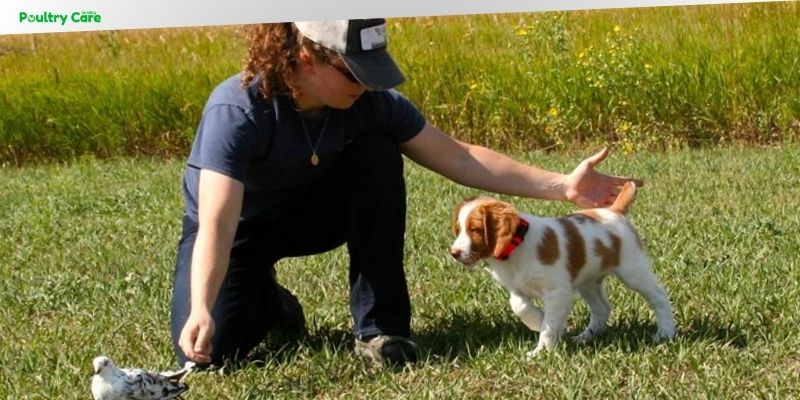
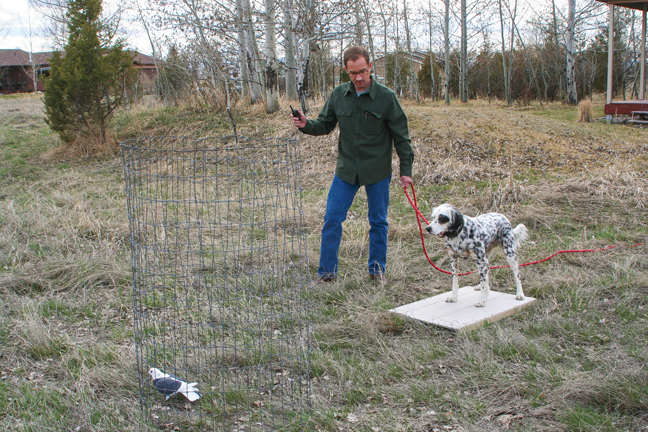
- Begin with planted pigeons or captive flyers in a controlled setting.
- Let the dog scent and see birds at a distance.
- Reward steady behavior and correct fleeing or bolting immediately.
Safety first
- Use long lines in early field trials to keep control.
- Avoid overexposure; short, calm sessions beat long, stressful ones.
- Check local laws and use humane, legal methods for bird work.
Years of training show that steady, staged exposure keeps dogs confident. Rushing this stage leads to fear or false steadiness.
Source: gundogmag.com
Common problems and practical solutions
Training is rarely linear. Expect setbacks and know how to fix them.
Dog bolts on flush
- Cause: excitement or lack of steadiness.
- Fix: shorten the distance, use stricter sit/stay drills, reward gradual success.
Soft or no point
- Cause: weak scent drive or poor shaping.
- Fix: increase scent work and reward small freezes. Use planted birds.
Poor delivery
- Cause: lack of reward for returning or tug reinforcement.
- Fix: trade high-value rewards for clean returns and practice “give” cues.
Gun shyness
- Cause: sudden loud sound without conditioning.
- Fix: desensitize with low-volume sounds and reward bravery.
Real-world note: I once trained a young pointer that refused to steady near a drain pipe. Short sessions, treats, and staged exposures fixed it in two weeks. Small wins matter.
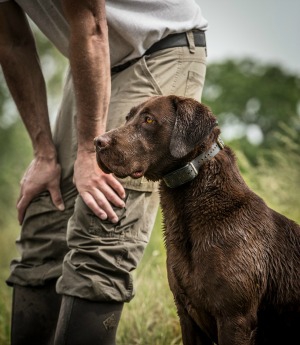
Source: basspro.com
Training plan: A weekly schedule for progress
A simple plan helps you track growth. Keep routines short and clear.
Beginner week
- Day 1: Obedience basics, 10 minutes.
- Day 2: Field walk, scent play, 10 minutes.
- Day 3: Short retrieves, 10 minutes.
- Day 4: Rest or light play.
- Day 5: Recall games and heel work, 10 minutes.
- Day 6: Steadiness drill near safe flush simulation, 10 minutes.
- Day 7: Review favorite drills and reward.
Progression tips
- Increase difficulty by adding distractions and range.
- Add gun sound conditioning after steady behavior appears.
- Track milestones and adjust the plan to the dog’s pace.
PAA-style questions
What is the best age to start training a bird dog?
Most basics start at 8–12 weeks for short sessions. Field work and exposure to birds should begin when the dog shows physical maturity, often 6–9 months.
How long until a dog is field-ready?
A basic working level often takes 6–12 months of steady training. High-level trial readiness can take years of steady work and refinement.
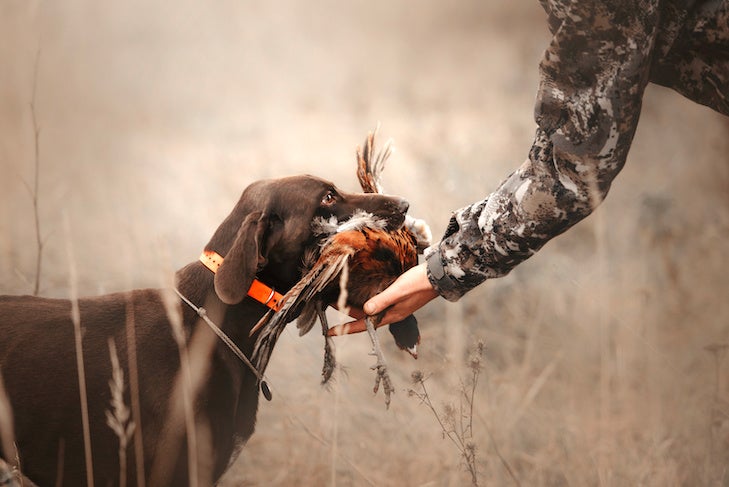
Source: akc.org
Tools and gear that help
Right gear makes training easier. Use simple, durable tools.
- Long line — Keeps control while allowing range.
- Bumpers/dummies — For repeatable retrieves.
- Clicker or marker word — Marks exact desired behavior.
- Crate and rest area — Helps recovery and focus between sessions.
- Treat pouch — Quick rewards keep timing tight.
Quality gear saves time. I prefer a 30-foot rope line, water bumpers, and a silent training harness for most lessons.
Tracking progress and when to seek help
Measure work to avoid plateaus. Keep short notes on wins and setbacks.
Progress markers
- Reliable recall in three different areas.
- Holds for a set time on point.
- Clean retrieves to hand.
- Calm gun response and steady at flush.
When to hire a pro
- If the dog shows persistent fear or aggression.
- When progress stalls for months.
- For advanced field trial prep or specific behavior fixes.
A good trainer offers new angles and a fresh plan. I recommend a few private sessions if you feel stuck.
Frequently Asked Questions of How To Train A Bird Dog?
How early should I start training a bird dog?
Begin basic obedience at 8–12 weeks with short, fun sessions. Field conditioning and bird exposure should wait until the pup is calmer and physically ready, often around 4–6 months.
How long does it take to train a bird dog for hunting?
Expect basic field skills in 6–12 months with regular work. Advanced skills and competition readiness usually take years of focused training and experience.
What rewards work best for bird dog training?
High-value food treats and favored toys work best. Use rewards that match the dog’s drive, and keep them consistent and timely for the best results.
How do I stop my dog from chasing everything?
Teach strong obedience cues like “leave it” and “here.” Use controlled exposure and reward the dog for ignoring distractions consistently.
Can I train a bird dog alone or need a partner?
You can train a lot alone, especially for obedience and retrieves. For some field drills and real flush work, a partner or trainer makes drills safer and more realistic.
Conclusion
Training a bird dog is a steady journey. Start with clear goals, build strong basics, and add field skills step by step. Keep sessions short, reward progress, and stage exposure to birds and gunfire. Small, consistent wins lead to a confident, reliable hunting partner. Try one focused drill each day, track your wins, and enjoy the process — your dog will thank you with trust and steady work. Share your progress, ask questions, or subscribe for more field training tips.