
Last Updated on September 23, 2026
Start early, bond with stock, and use calm, consistent exposure and positive reinforcement.
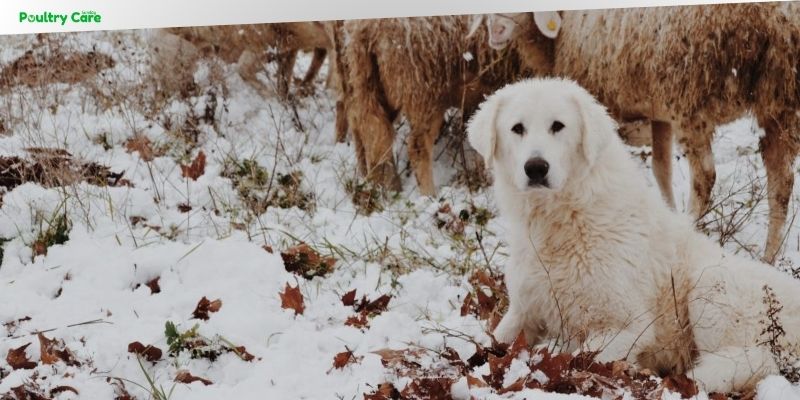
I have trained and lived with livestock guardian dogs for years, and I know what works. This guide shows you how to train a livestock guardian dog step by step, from picking the right pup to measuring real guarding success. Read on for proven methods, practical tips, and honest lessons from my own experience so you can protect sheep, goats, or other stock with confidence.

Why train a livestock guardian dog?
A livestock guardian dog, or LGD, protects animals by living with them and forming a social bond. Training shapes that bond so the dog sees your flock as family and defends them without undue aggression.
Training reduces problems like chasing, wandering, and conflict with people or pets. Proper training also helps you meet welfare and legal obligations while keeping livestock safe and calm.
Understanding behavior and choosing a breed
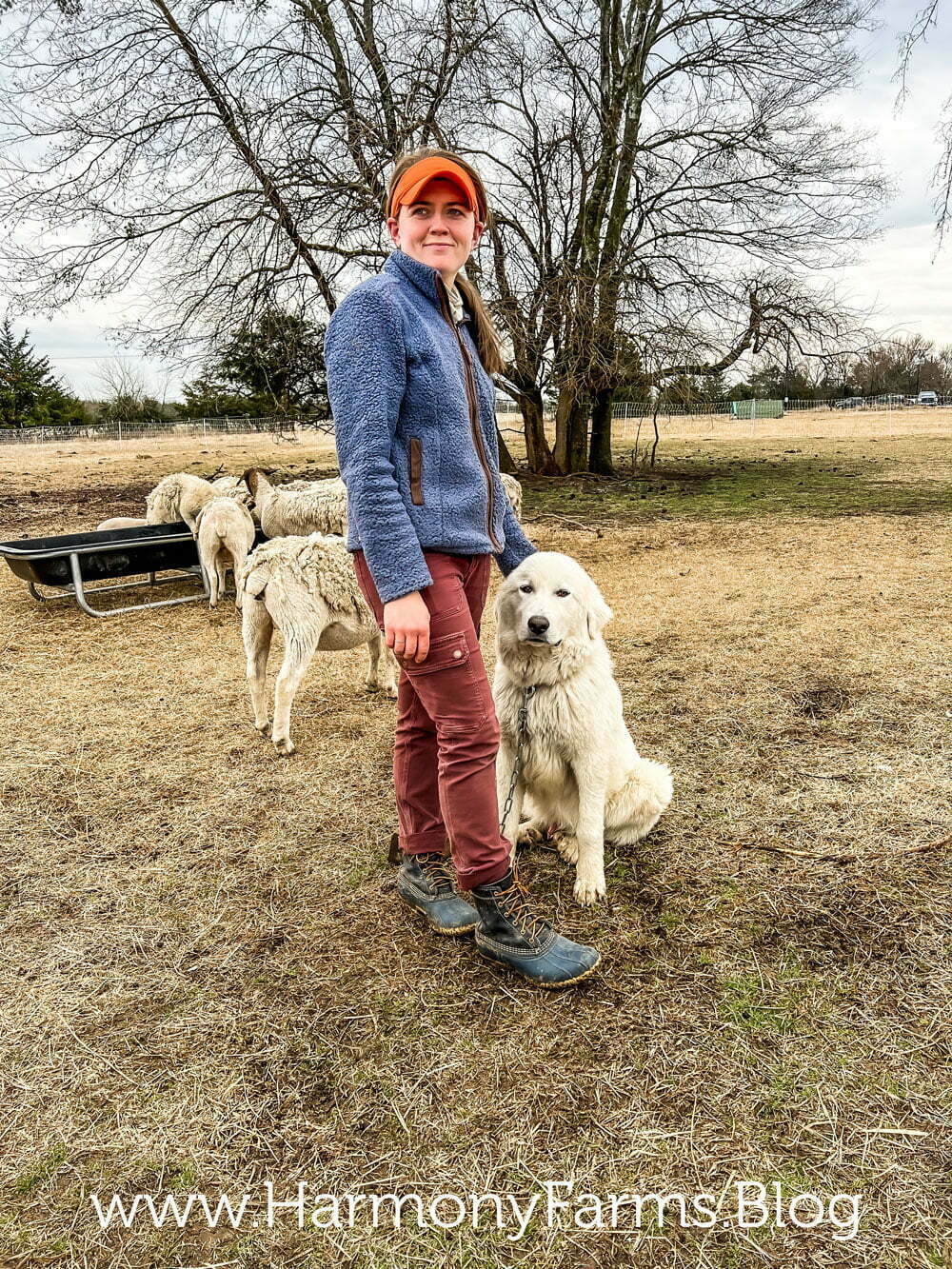
Livestock guardian dogs are bred to watch and protect. They are independent, territorial, and slow to react until needed. This natural temperament makes training different from pet dog obedience.
Common LGD breeds include Great Pyrenees, Anatolian Shepherd, Maremma, and Kuvasz. Match breed traits to your climate, predator pressure, and stock type before starting training.
Why your dog acts like a guardian:
- Instinct: Raised to bond with animals, not humans.
- Alertness: They watch and assess threats rather than chase immediately.
- Independence: They can make decisions far from direct commands.

Preparing the environment and the dog
Preparation makes training far easier. Start with health checks, vaccinations, and parasite control. A healthy dog learns better and lives longer on the job.
Provide a stable routine and simple shelter near the stock. Early and slow introductions help puppies accept animals as family. If using an adult dog, assess past behavior and give a quarantine period to monitor reactions.
Checklist before training:
- Vet check and vaccines done.
- Secure fencing and safe pasture.
- Young livestock present for bonding.
- Clear, consistent human handlers assigned.
How To Train A Livestock Guardian Dog? — Step-by-step guide
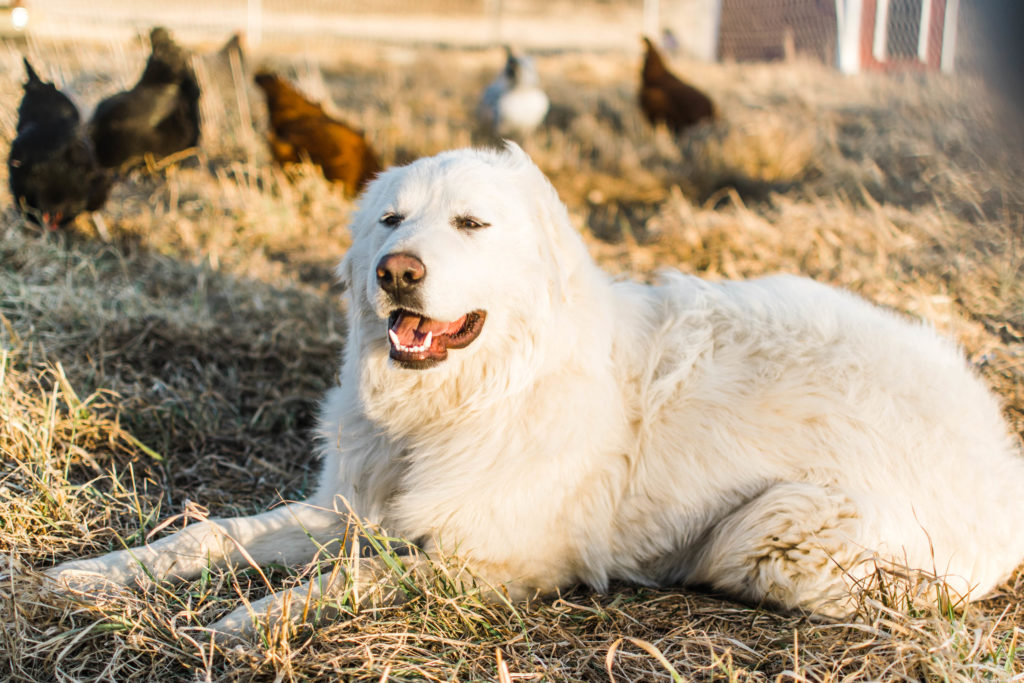
Training a livestock guardian dog is mostly about guided social bonding and controlled exposure. Follow these steps for safe, steady progress.
- Socialize the pup early
- Introduce pups to livestock within the first 8–12 weeks.
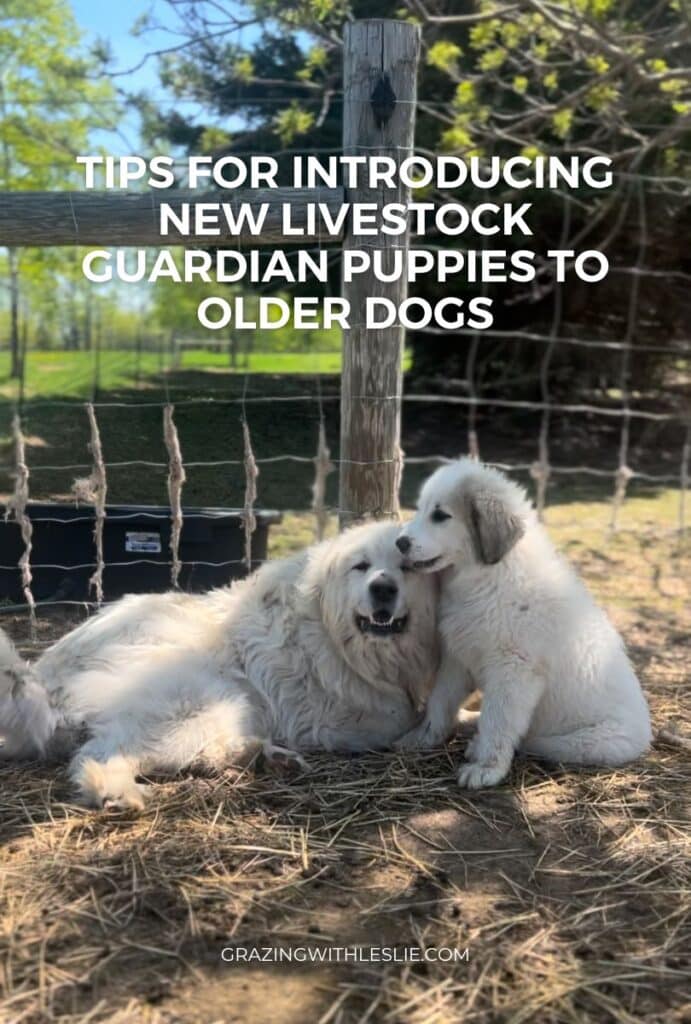
- Let the pup live with the flock or herd day and night.
- Supervise close contact to avoid accidental trampling or chasing.
- Build positive associations
- Feed the pup near the animals so meal time equals livestock.
- Use calm praise and gentle touch. Avoid loud scolding.
- Reward calm, watchful behavior rather than constant warnings.
- Teach basic cues and handling
- Train basic commands: come, sit, stay, and settle.
- Use short, frequent sessions. Keep them calm and simple.
- Reinforce recall off-stock so the dog still listens to you when needed.
- Controlled exposure to predators and strangers
- Stage safe “threat” drills: human approaches at a distance, strange dog sounds, or recorded predator calls.
- Reward alerting without chasing or panic.
- Increase intensity slowly and safely.
- Nighttime and perimeter training
- Let the dog patrol the area with livestock under supervision.
- Use fladry or visual cues to guide perimeter patterns if needed.
- Reinforce returning to stock after patrol.
- Gradual independence
- After weeks to months, reduce supervision at a pace the dog tolerates.
- Maintain regular check-ins and handler presence during critical times, like lambing.
People also ask: How long does training take?
- Typical bonding and basic guard behavior appear in 3–6 months. Full, reliable guarding may take a year or more.
People also ask: Can an adult dog become an LGD?
- Yes, but adults need careful assessment and longer supervised introductions to accept livestock.
Common problems and how to fix them
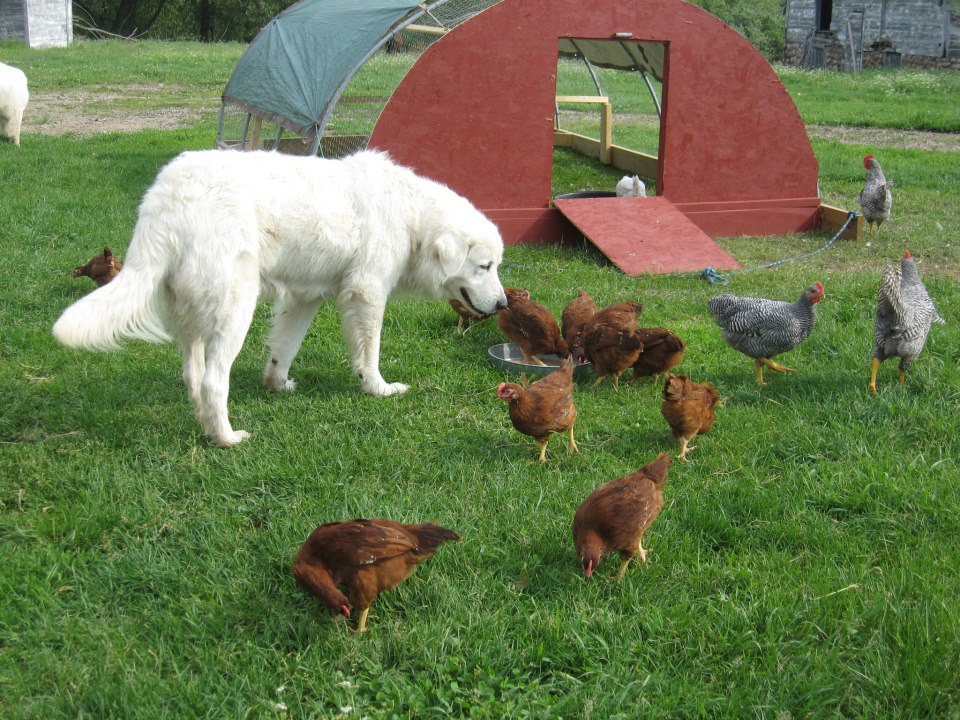
Problems can and will happen. Tackle them early and calmly.
Chasing or herding rather than guarding
- Correct by separating the dog briefly when chasing occurs.
- Reward calm standing or watching instead of pursuit.
Aggression toward people or pets
- Ensure clear boundaries: LGDs should be friendly to handlers but wary of strangers.
- Use controlled socialization with people and dogs while on leash.
Wandering or following vehicles
- Increase recall training away from stock.
- Use boundary training and supervise patrols until the dog learns limits.
Fearful reactions to predators or loud noises
- Desensitize with recordings and staged, safe exposures.
- Keep sessions short and follow with positive rewards.
Health, nutrition, and long-term care
A fit LGD guards better. Feed a high-quality diet appropriate for size and workload. Monitor weight; overweight dogs tire and underweight dogs lose condition.
Routine care items:
- Annual vet checks, vaccines, and parasite control.
- Joint supplements for large breeds as they age.
- Foot inspections, wound care, and vaccinations after predator encounters.
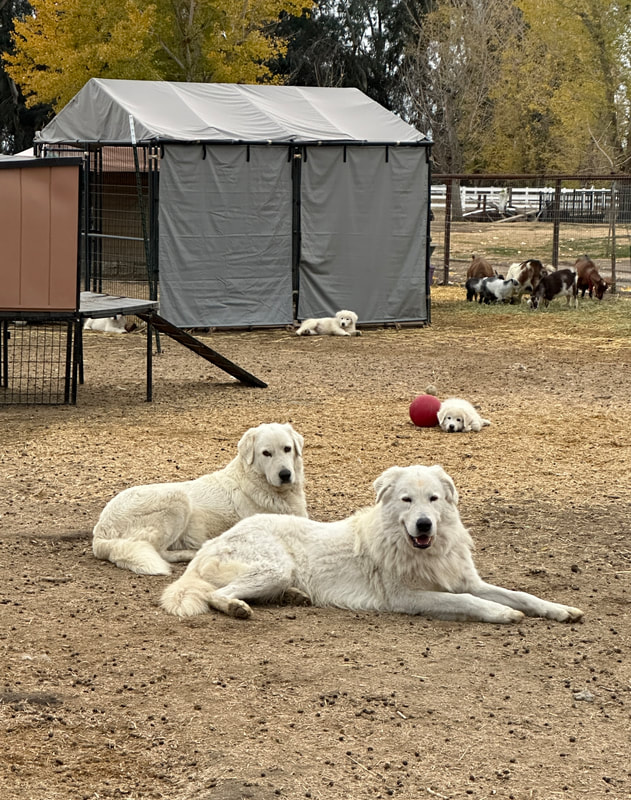
Provide enrichment like shaded rest areas, fresh water, and safe toys to reduce boredom and destructive behavior.
Measuring success and keeping records
Good training shows in reduced losses, calm stock, and low conflict incidents. Keep simple records:
- Predator encounters and outcomes.
- Training sessions and progress notes.
- Health and behavior changes.
If losses drop and the dog patrols calmly at night, your How To Train A Livestock Guardian Dog? plan is working. Adjust training if patterns of failure recur.
My experience: lessons, mistakes, and tips
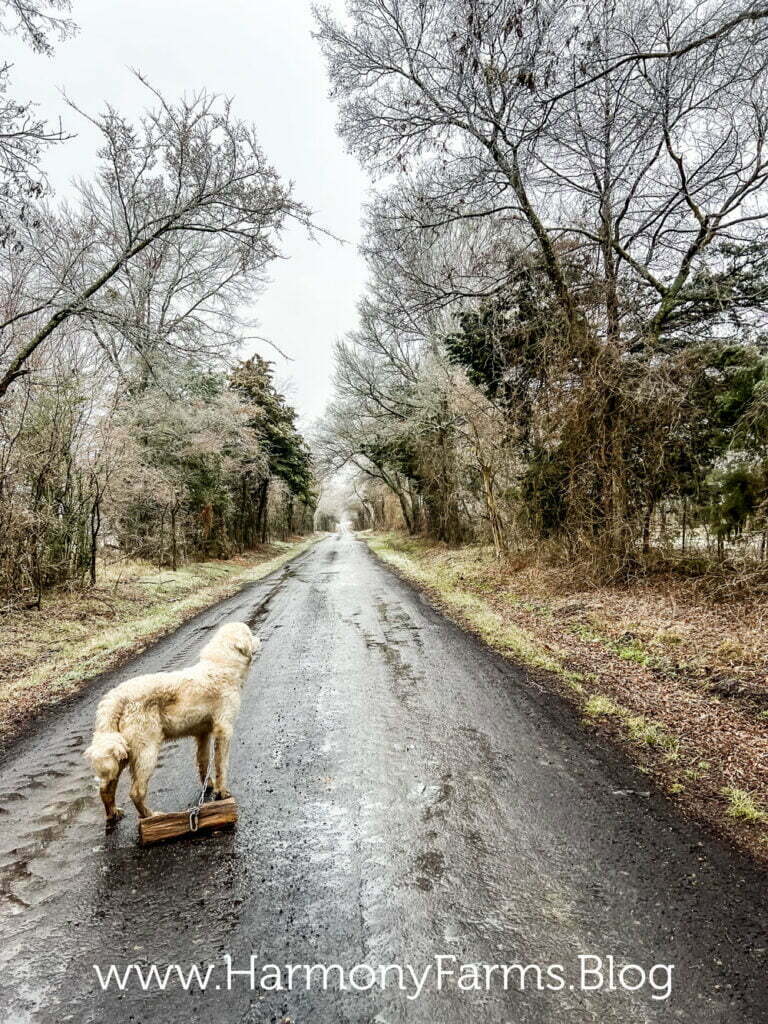
From my years training LGDs I learned a few truths. Start bonding early and don’t rush independence. I once removed a pup from a busy pasture too soon; it chased instead of guarded. I fixed this by reintroducing slow supervised nights and feeding by the flock.
Tips I use:
- Assign one main handler for consistency.
- Use food as a bond-building tool near livestock.
- Don’t confuse LGDs with herding dogs—expect different drives.
Frequently Asked Questions of How To Train A Livestock Guardian Dog?
How early should I start training a livestock guardian dog?
Begin socialization with livestock as soon as the pup is vaccinated and healthy, ideally between 8 and 12 weeks.
Can a guardian dog live with other pets?
Yes, if you socialize them early and supervise introductions; LGDs can coexist with dogs and cats when trained properly.
What training method works best for LGDs?
Calm, consistent positive reinforcement and guided exposure to stock and threats work best for long-term guarding behavior.
How do I stop my LGD from being aggressive to strangers?
Teach clear, consistent boundaries and controlled socialization with people. Seek help from a behaviorist if aggression persists.
When should I call a professional trainer?
Call a pro if the dog shows uncontrolled aggression, repeated failures to bond with stock, or if losses continue despite training.
Conclusion
Training a livestock guardian dog is a patient, steady process of bonding, guided exposure, and consistent handling. Start early, focus on calm reinforcement, and watch for small wins like quiet patrols and reduced losses. Take action today: set up a simple training plan, commit to regular supervision, and adjust as you learn from your dog and your flock. If this article helped, try one technique this week and share your progress or questions below.