
Last Updated on September 23, 2026
Train gradually with boundary flags, sound cue, and supervised practice—always reward calm behavior.
I’ve trained many dogs with invisible fence systems and helped owners build safe, reliable boundaries. This article answers "How To Train Dog On Invisible Fence?" with expert, experience-based steps, practical tips, and troubleshooting so you can teach your dog to respect the boundary while keeping training humane and stress-free. Read on for a clear plan you can use today.

Why choose an invisible fence?
Invisible fences create clear yard boundaries without a physical fence. They let dogs roam, but stay within a safe area. Many owners pick them for curb appeal, lower cost, and to protect dogs from traffic or neighbors. Before you decide, weigh benefits and limits so the system fits your dog and lifestyle.

How the system works
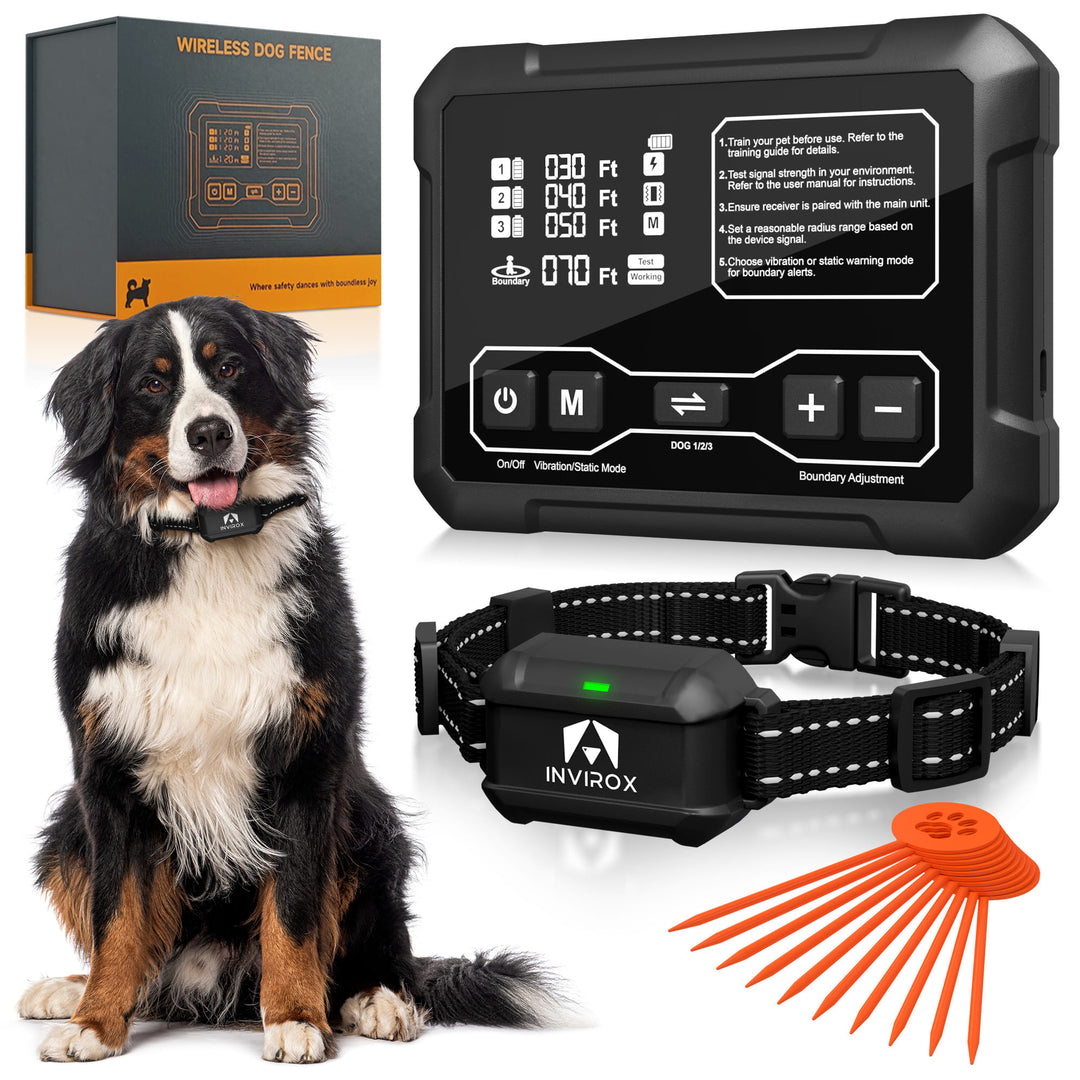
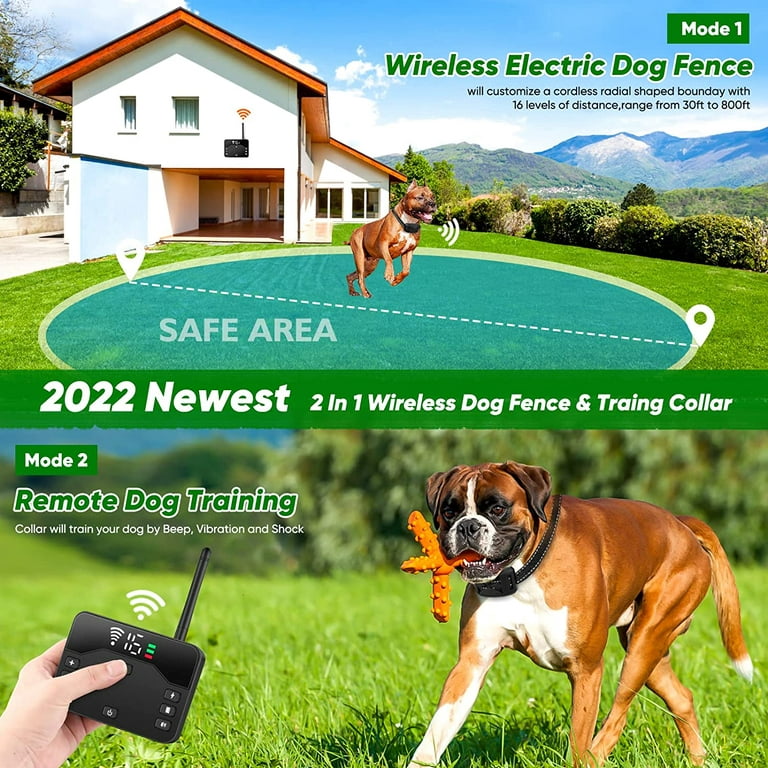
An invisible fence has three parts: a transmitter, buried wire, and a receiver collar. The transmitter sends a radio signal through the wire. When the collar nears the wire, it gives a warning tone and, if needed, a mild static correction. Most modern systems also offer adjustable sensitivity and tone-only training modes.

Preparing to train
Check your dog’s health first. Ask a vet if your dog has heart, skin, or neurological issues before using a collar. Fit the collar properly so the contact points touch skin but do not pinch. Place bright flags along the boundary to give a visual cue while training starts.

How To Train Dog On Invisible Fence? Step-by-Step Training Plan
Follow this step-by-step plan to teach a reliable boundary.
- Introduce the collar
- Put the collar on indoors for short sessions so your dog learns the feel.
- Reward calm behavior with treats and praise.
- Teach the warning tone
- Turn the system to tone-only mode. Walk your dog toward the boundary.
- When the collar beeps, step back and reward your dog for retreating.
- Add the verbal cue
- Use a short cue like "back" or "home" when the tone sounds.
- Reward every correct retreat to link the cue with the action.
- Gradually increase distance
- Practice at different spots along the wire.
- Use long lines and off-leash only when reliably responding to tone and cue.
- Supervised practice without treats
- Replace treats with praise and play to generalize the behavior.
- Keep sessions short and positive.
- Fade visual markers
- Remove flags slowly once your dog consistently honors the boundary.
- Continue periodic refreshers to keep skills strong.
When you follow these steps for How To Train Dog On Invisible Fence? you reduce stress and confusion. From my experience training a nervous beagle, slow progress and lots of praise made the biggest difference. Track progress with short daily sessions rather than long, tiring ones.

Troubleshooting common issues
If your dog ignores the collar, first check fit and battery. Many problems come from poor fit, incorrect receiver settings, or skipped steps. Reset training to tone-only mode and rebuild the behavior with treats and clear cues.
Common scenarios and fixes
- Dog runs past the boundary: Increase supervised sessions and step back to earlier training steps.
- Dog reacts fearfully to correction: Stop and consult a trainer or vet, and rely on tone-only training longer.
- False triggers from nearby wiring: Re-check wire layout and test transmitter output.
PAA-style quick questions
- Will my dog get used to the collar? Start slowly and reward calm; most dogs accept the collar within a few days.
- Can invisible fences harm dogs? When used correctly with proper fit and moderation, they are generally safe; consult a vet for special cases.
If the problem persists, consider hiring a certified trainer for a hands-on session to refine technique and safety.
Safety, legal, and ethical considerations
Use humane settings and never increase correction out of frustration. Many trainers recommend starting with tone-only or the lowest correction level. Laws and HOA rules differ by area; check local regulations before installation. Always supervise dogs near vehicle access points even if the fence is trained.

Maintenance and long-term reinforcement
Check batteries and receiver contacts monthly. Walk the boundary occasionally with your dog to refresh the cue. If you alter the yard layout or add metal objects near the wire, re-test the system. Periodic refresher training—short sessions every few months—keeps the behavior solid.
Frequently Asked Questions of How To Train Dog On Invisible Fence?
How long does it take to train a dog on an invisible fence?
Most dogs learn basic boundary behavior in 1–3 weeks with daily short sessions. Complete confidence and off-leash reliability can take several months, depending on age and temperament.
Will the collar hurt my dog?
Modern collars deliver a mild static correction only if the dog crosses the boundary. When used at the lowest effective level and combined with tone-based training, harm is rare.
Can puppies use an invisible fence?
Puppies can start collar acclimation early, but wait until vaccinations are complete and growth is more stable before relying on the boundary for safety alone. Supervision is essential.
What if my dog digs under or jumps over?
Invisible fences do not stop digging or jumping. You must pair boundary training with management, barriers at weak spots, or supervised outdoor time to prevent escapes.
Do invisible fences work for all breeds?
They work for many breeds, but high-prey or highly anxious dogs may need extra training or a physical fence. Behavior and motivation play a large role in success.
Conclusion
Teaching your dog to respect an invisible boundary is a step-by-step process that rewards patience, clarity, and positive reinforcement. Follow the plan here, adapt to your dog’s pace, and prioritize safety and supervision. Try the plan in this guide and track progress week by week; share what worked or ask questions below to get personalized tips.