
Last Updated on September 23, 2026
Keeping poultry can be wonderfully straightforward some days and surprisingly fussy on others. One morning everyone’s happily scratching around, clucking away and behaving as though the world is exactly as it should be, and the next you’re wondering why egg production has dipped, why the birds seem less lively, or why half the feed is being flicked out of the feeder like they’re conducting a very serious quality-control inspection.
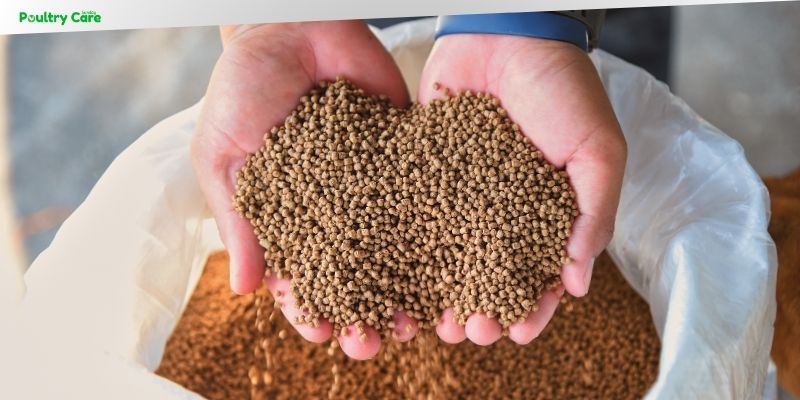
That’s why Bedwell’s poultry feed deserves a bit more thought than simply grabbing whatever bag happens to be closest. Poultry need consistent nutrition to support laying, growth, feather condition, immune health and day-to-day energy, and while chickens are famously enthusiastic about scraps and foraging, those extras shouldn’t be doing the heavy lifting when it comes to their diet.
Feed Sets the Rhythm of the Flock
A good feeding routine helps keep the flock settled. When birds know they’re getting reliable, balanced feed, there’s less frantic competition and more steady grazing through the day. That matters because poultry are creatures of habit, and small disruptions can show up in ways that owners notice fairly quickly, especially when it comes to egg quality, shell strength and general condition.
Layer hens, for example, need enough protein, calcium and other nutrients to keep producing well without drawing too heavily on their own reserves. Young birds have different needs again, and mixed flocks can make feeding decisions a little more complicated. It’s not about making things overly technical, but it is about choosing feed that actually suits the birds you’re looking after.
Scraps Are Extras, Not the Main Meal
Backyard chickens are very good at convincing people they’re starving every time someone steps outside with kitchen scraps. A bit of variety can be enjoyable for them, and foraging is a natural part of poultry behaviour, but scraps shouldn’t replace proper feed. Too many treats can unbalance the diet, reduce the nutrients birds are getting from their main ration and sometimes lead to more waste than benefit.
There’s also the practical side. Quality feed tends to be easier to manage because it’s designed for the job. It gives you a clearer baseline, so if something changes in the flock, you’re not trying to guess whether the issue is feed, weather, moulting, stress, age or something else entirely.
Read More – Guide to Raising Chickens in Your Garden: Benefits, Challenges, and Best Practices
Freshness and Storage Matter
Even the right feed can lose quality if it’s stored badly. Poultry feed should be kept dry, sealed and protected from pests, because moisture and contamination can create problems quickly. A clean storage bin, a sensible rotation system and feeders that keep the food off the ground can all help reduce waste and keep the flock healthier.
Healthy Birds Start With Daily Basics
Poultry care doesn’t have to be complicated, but the basics do need to be consistent. Clean water, safe housing, good hygiene, space to move and quality feed all work together. When the feed is right, the birds are more likely to stay active, lay well and look the way healthy poultry should: bright-eyed, busy and very pleased with themselves.