
Most shelter dogs learn best with kind, slow crate training and consistent positive rewards.
I’ve helped many rescue dogs settle into homes, and I’ll walk you through clear steps, real tips, and gentle methods for How To Crate Train A Dog From A Shelter? You’ll get a plan you can use tonight, explained simply, with reasons behind each step so you can build trust and reduce stress for your new companion.
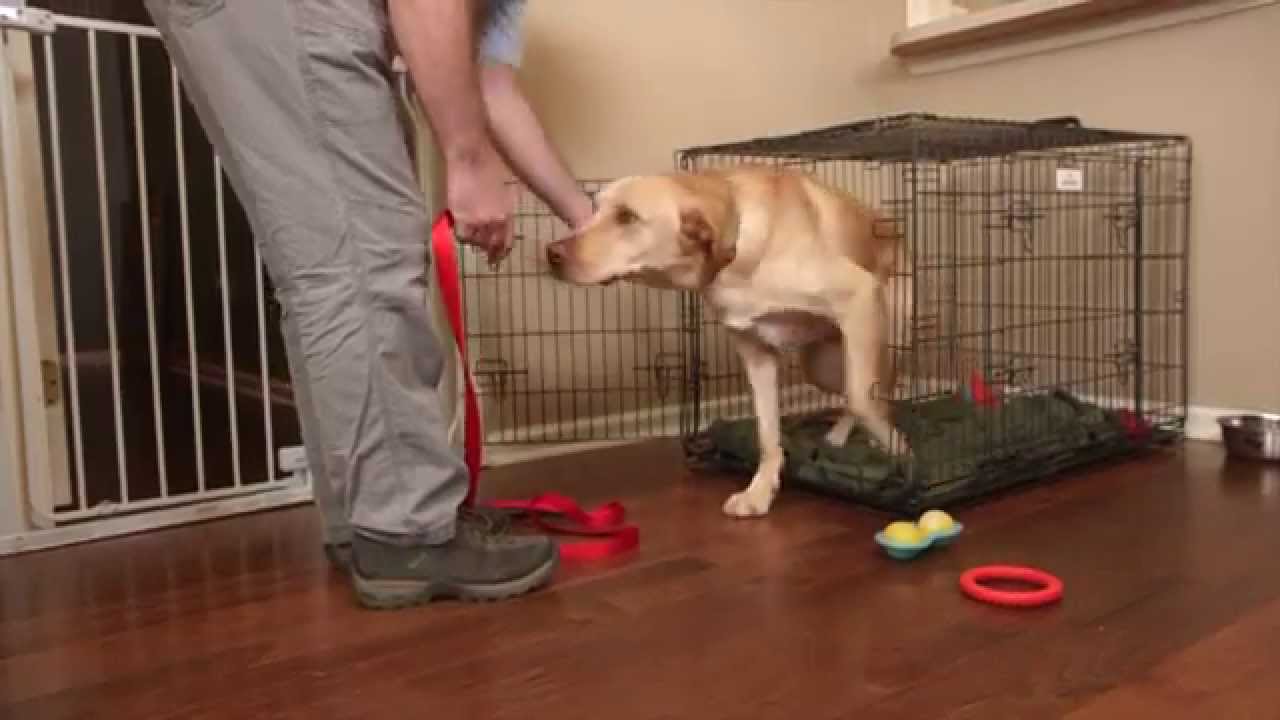
Why crate training matters for a shelter dog
Crate training gives a dog a safe, quiet spot that feels like a den. Shelter dogs often arrive stressed. A crate can reduce anxiety and help them rest.
Crate training also helps with house training and travel safety. It makes vet visits and car rides easier. When done right, a crate becomes a secure place, not a punishment.
How To Crate Train A Dog From A Shelter? starts with respect and patience. Focus on comfort, short sessions, and reading the dog’s body language.

Getting ready: supplies, mindset, and health checks
Pick the right crate size. The dog should stand, turn, and lie down comfortably. A divider helps if the dog will grow or if you want to limit space during training.
Gather soft bedding, safe chew toys, and high-value treats. Use a non-slip mat if the crate slides in a car. Keep the crate in a calm area at first.
Have a vet check the dog for health issues and rule out pain or urinary problems. Ask the vet about feeding and any anxiety medicines if needed. Prepare for slow progress and be kind to setbacks.
How To Crate Train A Dog From A Shelter? needs a calm plan and vet support when necessary.
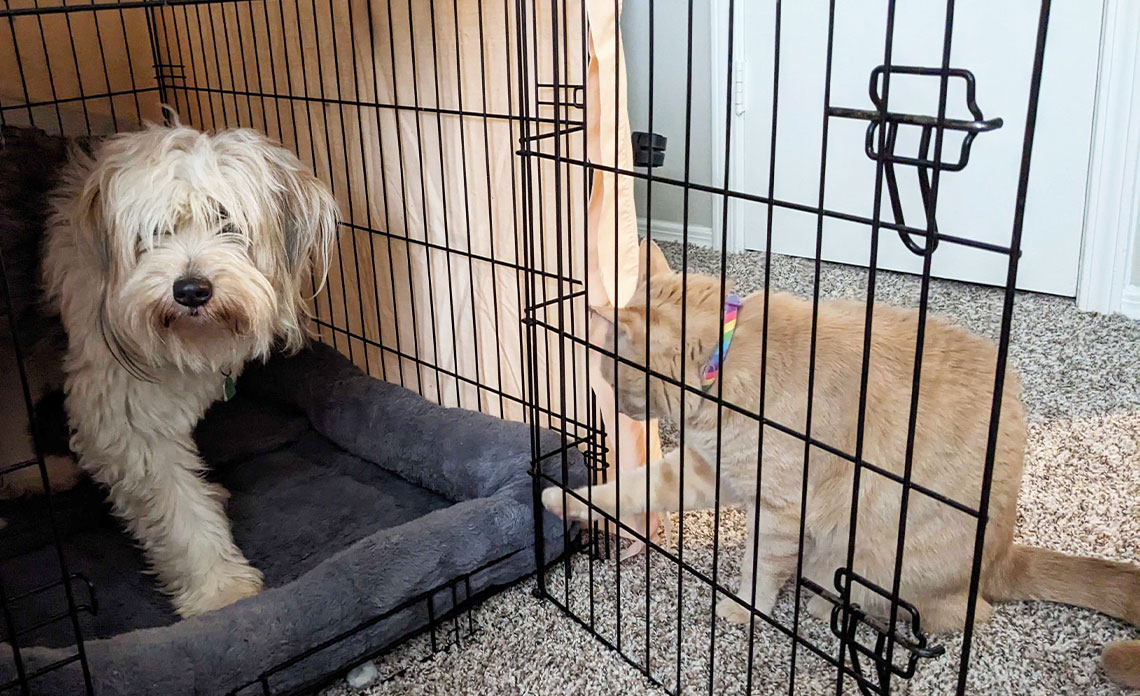
Step-by-step crate training plan
- Create a positive first impression
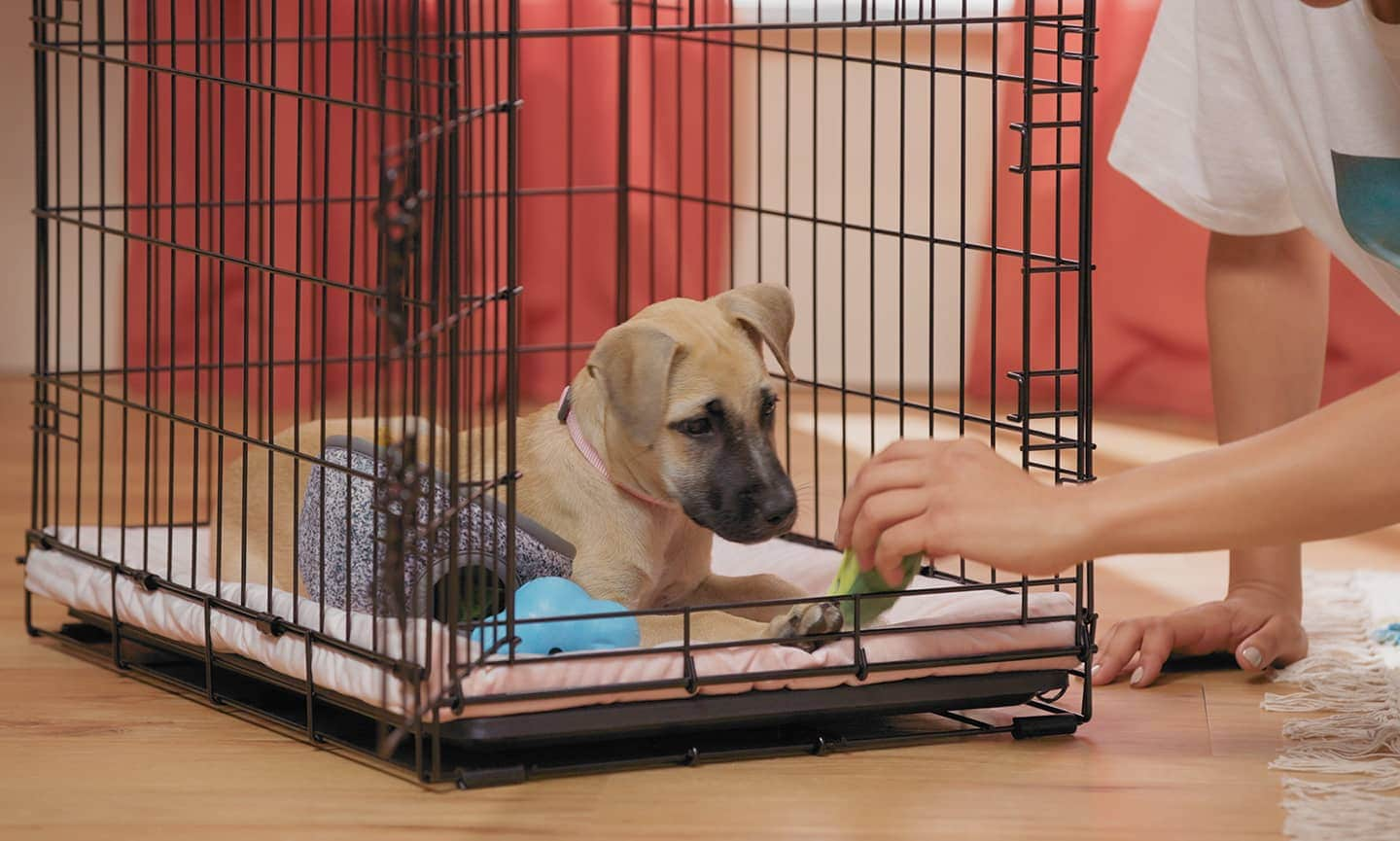
- Place treats and a soft blanket near and inside the open crate. Let the dog explore on its own. Reward any curiosity with calm praise.
- Feed meals near the crate
- Move meals gradually from outside to inside the crate. Leave the door open. This links the crate with good things.
- Practice short closed-door sessions
- Close the door for a few seconds while you stay nearby. Open and reward. Slowly increase time by small steps.
- Add quiet alone time
- Once the dog accepts short closures, leave the room for brief minutes. Return calmly. Build time slowly over days.
- Night routines
- Put the crate near your bed at night for the first week. This reduces loneliness and helps early potty signals. Move it gradually if the dog sleeps well.
- House training with crate use
- Take the dog out right after releases. Use a consistent potty spot and praise immediately. Crate time should match the dog’s bladder control; puppies and stressed adults need shorter stretches.
- Handling whining and barking
- Wait for a pause before you open the door. Reward quiet behavior. Avoid giving attention every time the dog whines, or you teach it works.
- Travel and vet prep
- Use the crate for short car rides with treats. Make the crate a familiar space for vet visits and boarding.
How To Crate Train A Dog From A Shelter? is a stepwise, patient plan. Move slowly and keep sessions short and positive.
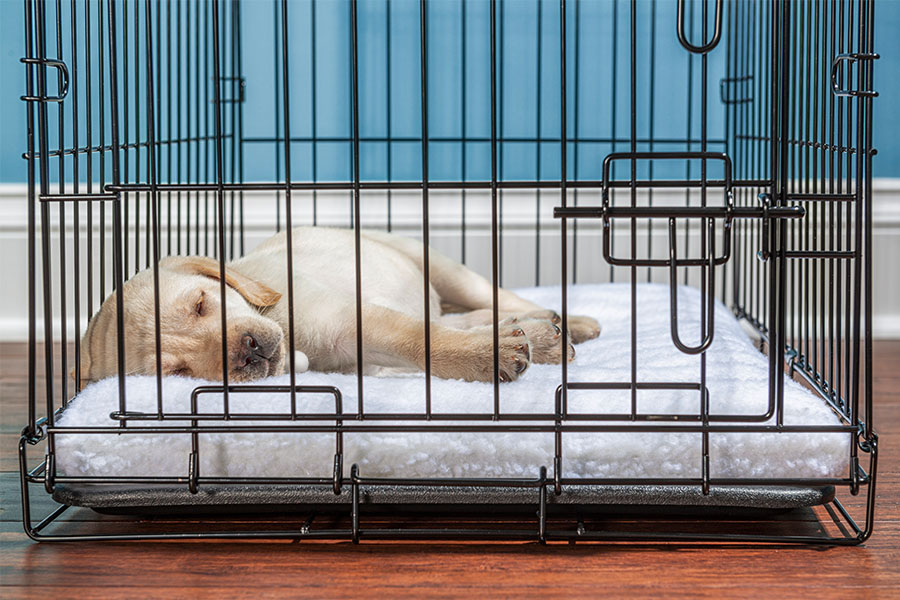
Troubleshooting common problems
Whining at night
- Check for real needs first: potty, thirst, or illness. If needs are met, ignore attention-seeking whining and reward quiet moments.
Elimination in the crate
- Make sure the crate is the right size. Take the dog out more often. Use a consistent schedule and reward successes.
Fear of the crate
- Go back to step one. Use treats, toys, and patience. Do not force the dog inside. Consider calming aids if anxiety is strong.
Separation anxiety
- Teach short departures away from the crate. Use enrichment toys. If anxiety persists, consult a behaviorist.
Regression after progress
- Stress or routine changes can cause setbacks. Return to shorter sessions and rebuild trust slowly.
How To Crate Train A Dog From A Shelter? often faces these common issues. Stay calm and adjust the pace to the dog’s needs.
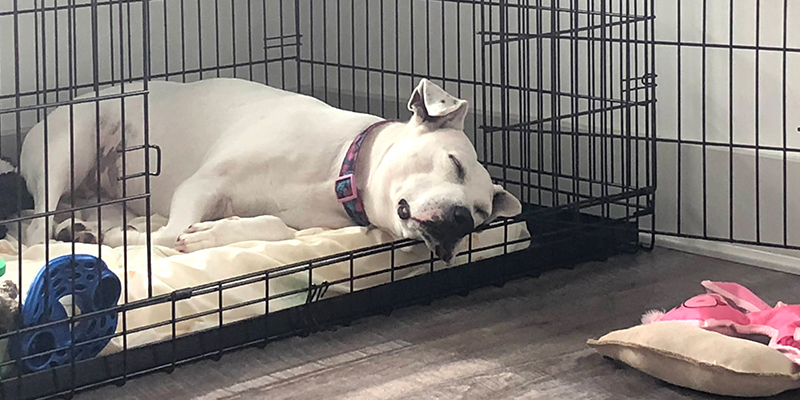
Practical tips from my rescue work
I once adopted a shy terrier mix who avoided crates. I used slow exposure and high-value turkey treats. Nights started in my bedroom next to the crate. Progress was small but steady.
Lessons I learned
- Patience beats force. One rushed night cost us two weeks of trust.
- Consistency matters. Short, regular sessions helped more than long, rare ones.
- Praise the right behavior. Reward quiet, calm entries and exits.
If I had done anything differently, I would have started feeding inside the crate the first day. That small change speeds comfort and trust.
How To Crate Train A Dog From A Shelter? becomes easier with routine and small wins.

Benefits and limitations of crate training
Benefits
- Safety during transport and rest.
- Faster house training.
- A predictable, calming routine for nervous dogs.
Limitations
- Crates are not a cure for severe separation anxiety. They should never be used for long-term confinement.
- Overuse can worsen stress. Use the crate as a restful spot, not a jail.
Alternatives
- Playpens or dog-proofed rooms can work for dogs that hate crates. Den-style beds can offer a cozy alternative.
How To Crate Train A Dog From A Shelter? should be seen as one tool among many. Use it wisely and humanely.
Frequently Asked Questions of How To Crate Train A Dog From A Shelter?
How long does it take to crate train a shelter dog?
Most dogs show comfort in a few days to a few weeks. The timeline depends on past trauma, age, and health.
Can I crate train a dog with separation anxiety?
You can start crate training, but severe separation anxiety may need a behaviorist. Gradual desensitization and enrichment help.
Is it okay to leave a shelter dog in a crate all day?
No. Avoid long confinement. Adult dogs should not be crated more than 6–8 hours without breaks. Puppies need far shorter limits.
What if my shelter dog bites or growls in the crate?
Take this as stress or fear. Slow the pace, consult a professional, and never punish aggression. Safety first, then rebuild trust.
Should I use a covered crate or open wire crate?
Both work. Some dogs like a covered crate for den-like privacy. Others prefer a wire crate to see the room. Try what calms your dog.
Can treats and toys speed up training?
Yes. High-value treats and safe chew toys speed positive associations. Rotate special items to keep interest high.
Conclusion
Crate training a shelter dog is a gentle, patient process that builds safety and trust. Start with the dog’s needs, use short positive steps, and move at the dog’s pace. Expect setbacks and celebrate small wins.
Try the first three steps tonight: set up a comfy crate, feed near it, and let your dog explore. Share your progress, ask questions, and keep learning. If this guide helped, subscribe for more rescue-ready tips or leave a comment about your own crate training wins.