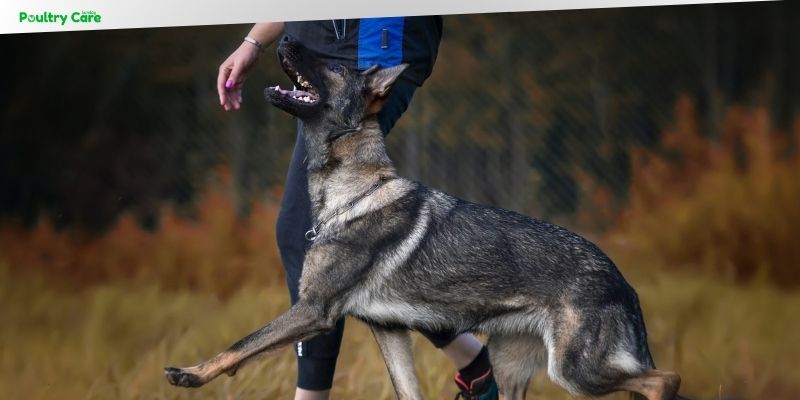
Teach your dog to walk calmly by your side using clear cues, short sessions, and consistent rewards.
I have trained dozens of dogs to heel, from excited puppies to distracted adults. This guide shows step-by-step how to train dog to heel with clear methods, real examples, and common fixes. You will learn when to start, what gear helps, a simple training plan, troubleshooting tips, and advanced proofing. Read on to learn practical, friendly, and expert-backed ways to train dog to heel so walks become relaxed and enjoyable for both of you.

Why teaching heel matters
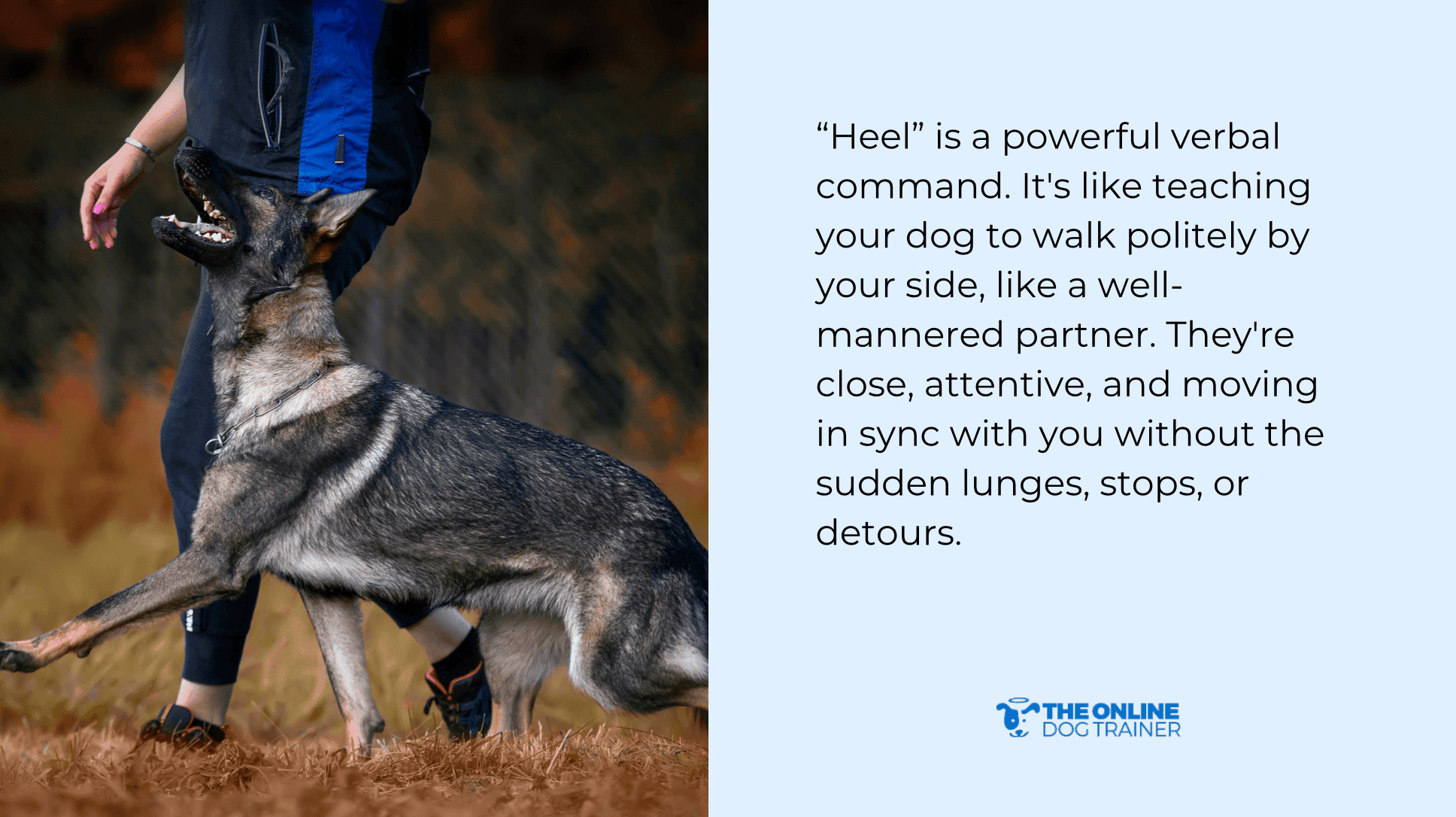
Teaching your dog to heel gives you control, keeps walks safe, and makes outings pleasant. A reliable heel reduces pulling, lowers injury risk, and helps your dog stay focused in busy places. It also builds better communication and trust between you and your pet.
Training to heel improves manners in public. Dogs that heel are easier to manage at the vet, on public transport, and around kids. If you want calm, confident walks, learning how to train dog to heel is one of the best investments you can make for your pet.

When to start and how long it takes
Start training early, ideally when your dog is a puppy, but adult dogs can learn heel too. Short, consistent sessions work best. Aim for two to five minutes per session, three to five times a day.
Most dogs show good progress in 2 to 6 weeks with regular practice. Highly distracted dogs or dogs with a history of pulling may take longer. Patience and consistency are the keys when you train dog to heel.
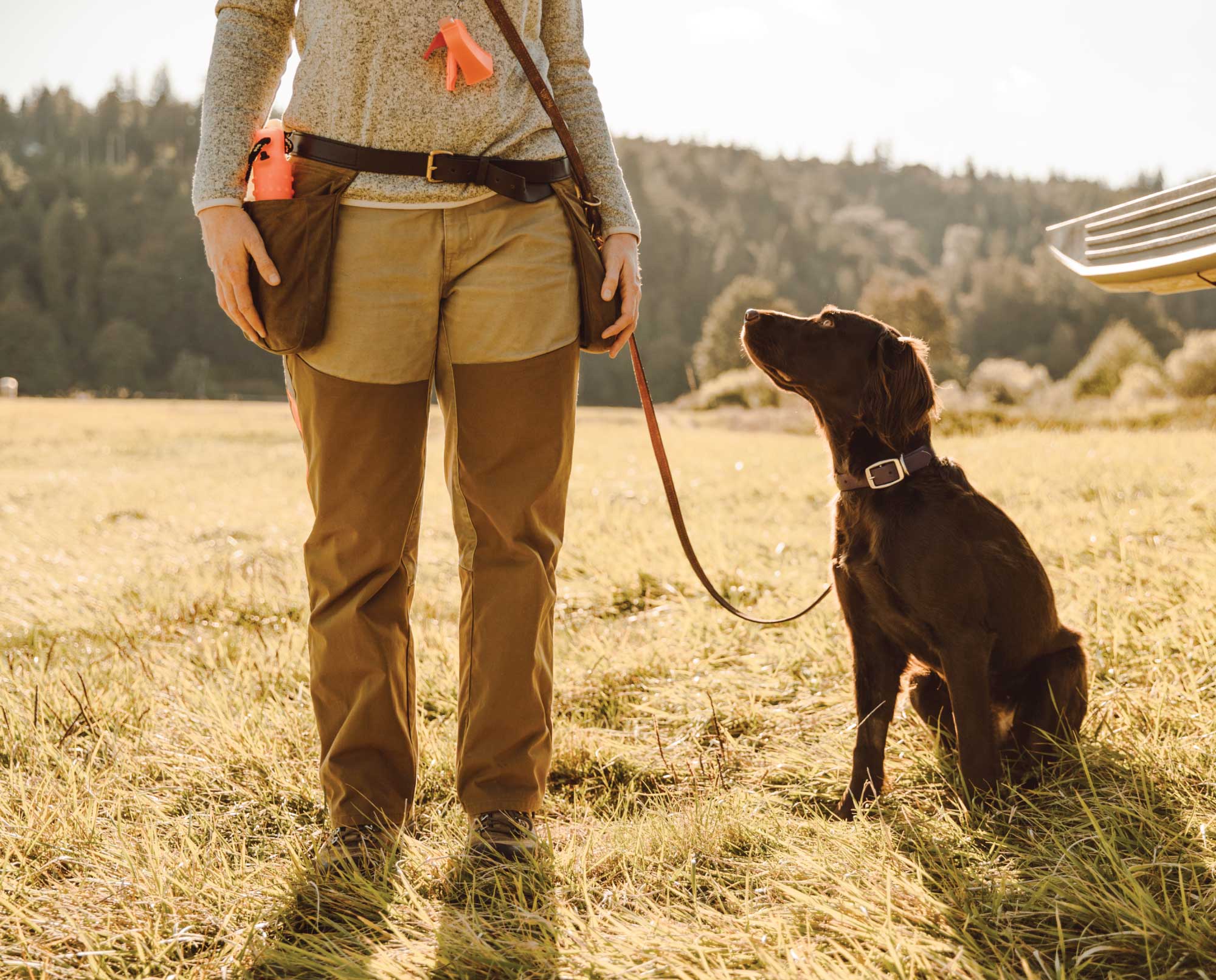
Tools and gear you need
Choose gear that supports learning without hurting your dog. Use simple, effective tools to teach good habits.
- Flat collar or harness that fits well and does not choke.
- Standard 4-6 foot leash for good control.
- High-value treats that your dog loves and can eat quickly.
- Clicker, if you use marker training, or a verbal marker like "yes."
- Comfortable shoes for you and a quiet, low-distraction area to start.
Avoid retractable leashes during training. They encourage pulling and make it harder to teach the proper heel position when you train dog to heel.
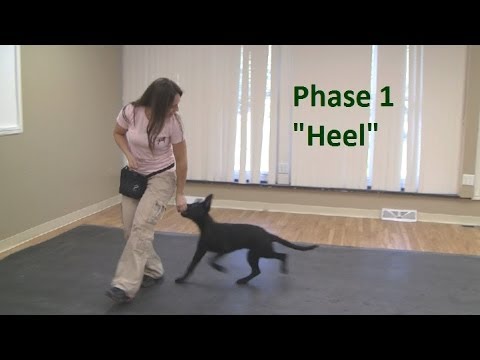
Step-by-step plan to train dog to heel
Use short, clear steps. Keep sessions fun and end on a good note.
-
Prepare and position
- Have treats ready and stand with your dog on your left or preferred side.
- Decide on the heel cue. Common choices are "heel" or "let's go."
-
Reward the correct spot
- Lure your dog into the heel position with a treat held near your thigh.
- Mark the moment the dog is in position with a click or "yes" and give a treat.
-
Take one step
- Take a single step forward. Reward the dog immediately if they keep pace and stay by your side.
- Repeat until the dog consistently stays at your side for several steps.
-
Build distance slowly
- Add one or two more steps each time before rewarding.
- Gradually increase the number of steps for each reward.
-
Add verbal cue
- Say the heel cue just before you start walking. Reward for compliance.
- Be consistent with the word and timing when you train dog to heel.
-
Introduce distractions
- Move to a busier place only after success in a quiet area.
- Reward more often when distractions are present to keep the behavior strong.
-
Reduce treat frequency
- Switch to intermittent rewards and praise once the dog understands heel.
- Use random treats, pats, or a toy to keep the dog engaged.
-
Proof the behavior
- Practice with different people, routes, and speeds.
- Reinforce heel when near doors, other dogs, or food on the ground to maintain reliability.
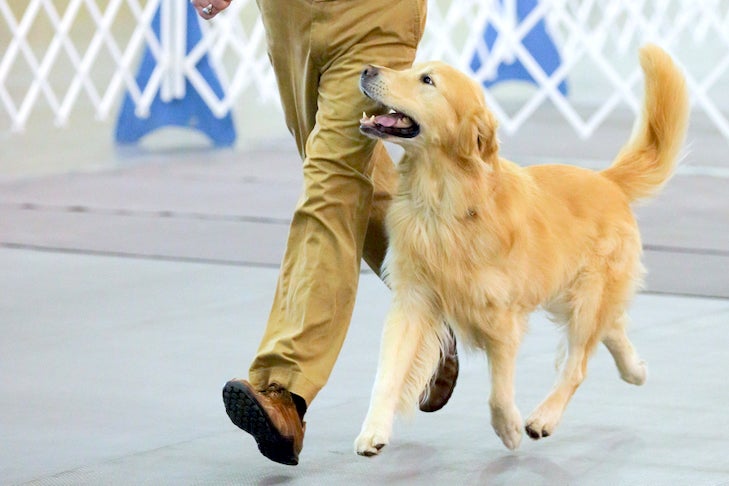
Common problems and fixes
Many people hit similar bumps when they train dog to heel. Here are clear fixes.
- Dog pulls immediately
- Stop walking when the dog pulls. Wait for slack in the leash, then proceed and reward. Stopping teaches that pulling halts progress.
- Dog lags behind
- Use a higher-value treat and encourage forward movement with short bursts. Reward promptly when the dog returns to heel.
- Dog sniffs constantly
- Allow short sniff breaks on long walks. During training sessions, keep the sessions short and reward focus, then release the dog to sniff afterward.
- Dog becomes distracted
- Lower distractions and raise rewards. Return to a quiet area and build back up slowly.
- Dog ignores cues
- Check motivation and timing. Use a clear marker and immediate rewards so the dog associates heel with the reward.
People also ask
How long does it take to train a dog to heel?
Most dogs show noticeable improvement in 2 to 6 weeks with short, daily sessions. Consistency and the dog's age and temperament affect pace.
Can older dogs learn to heel?
Yes. Older dogs can learn heel with patience and positive methods. Progress may be slower, but consistent practice works well.
Is a harness better for training heel?
A front-clip harness reduces pulling but may change how you teach the step-by-step heel. Use whatever tool keeps your dog comfortable and responsive.
Advanced tips and proofing
Once basic heel is reliable, make it durable in real life.
- Change pace often. Speed changes teach your dog to pay attention.
- Practice sudden stops and turns to improve focus and responsiveness.
- Use doors and intersections as practice points for heel control.
- Train with other people handling the leash so the dog generalizes the behavior.
- Add distance and duration gradually. Keep rewards unpredictable to maintain interest.
Proofing is essential. A dog that heels at home might not heel in a park. Always start new training in a lower-distraction space before moving up.

My experience: lessons learned and common mistakes
I taught a shelter mix to heel using tiny treats and short walks. Early on, I rewarded too slowly. That slowed progress. When I switched to instant markers and faster treats, the dog improved quickly. One big lesson: stop rewarding for bad behavior. If the dog pulls and still moves forward, you teach pulling. I now always stop and reset.
Mistakes to avoid when you train dog to heel:
- Overlong sessions that exhaust focus.
- Using retractable leashes during training.
- Inconsistent cues or mixed signals from different handlers.
Frequently Asked Questions of How To Train Dog To Heel?
How do I get my dog to walk nicely without pulling?
Stop moving when the leash is tight. Reward the dog when the leash is slack and continue walking. Consistent stopping teaches that pulling stops progress.
Can I use treats forever to keep the heel?
Treats help at first, but you can switch to intermittent treats, praise, and toys. Gradually reduce food rewards while keeping the behavior strong with random reinforcement.
Should heel be on the left side only?
Heel is often practiced on the left, but you can teach your dog to heel on either side. Practice both sides if you want flexibility.
What if my dog lunges at other dogs while heeling?
Create distance and reward calm behavior. Practice controlled greetings separately and only allow closer interactions when both dogs are calm and you have control.
Is clicker training better for heel?
Clicker training provides precise timing but is not required. A clear verbal marker works equally well if timed consistently.
Conclusion
Teaching your dog to heel makes walks calm, safe, and enjoyable. Use short sessions, clear cues, immediate rewards, and gradual proofing to train dog to heel effectively. Stay patient, be consistent, and celebrate small wins along the way.
Try the step-by-step plan this week. Start with two-minute sessions and build up. Share your progress, ask questions, or subscribe for more training tips.