Last Updated on September 23, 2026
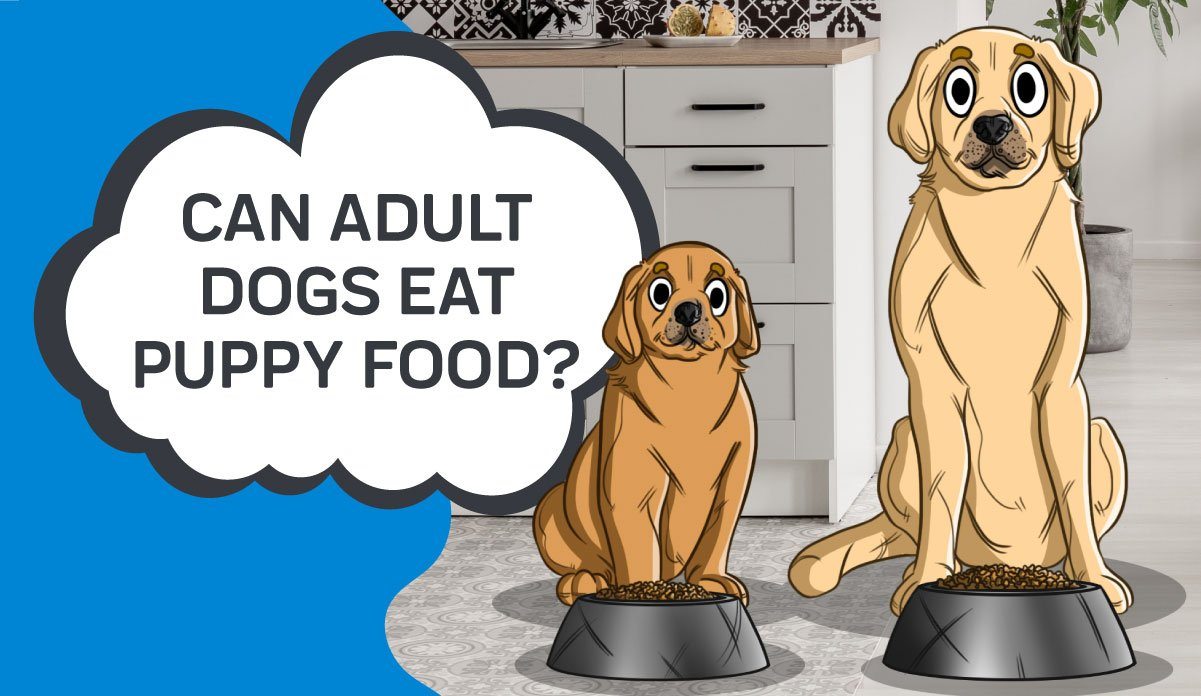
Adult dogs can eat puppy food occasionally, but regular feeding is not advised.
I have worked with dogs and canine diets for years, and I know what matters when adult dogs eat puppy food. This guide explains the risks, benefits, and real-world steps to keep your dog healthy. Read on to learn when adult dogs eat puppy food safely, when to avoid it, and how to switch diets without stress.
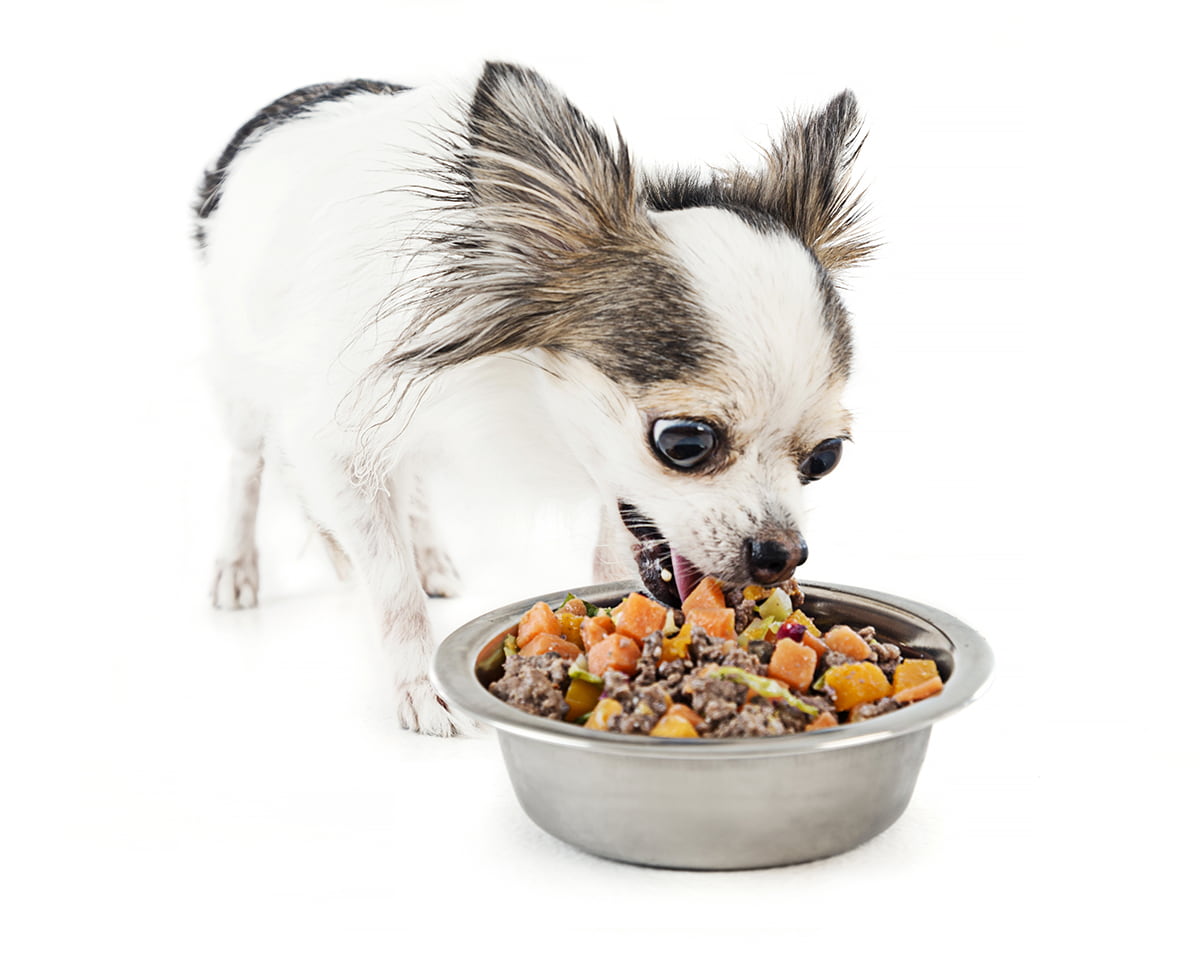
Why the question matters: nutrition, growth, and health
Puppy food is made for growth. It has more calories, protein, and certain nutrients than adult food. When adult dogs eat puppy food long term, they can gain weight or have nutrient imbalance. Short-term feeding often causes no harm, but long-term use can affect health.

Nutritional differences: what makes puppy food different
Puppy food usually has:
- Higher calories per cup for energy and growth
- More protein to build muscle and organs
- Extra fat for brain and body development
- Higher levels of calcium and phosphorus for bone growth
Adult dog food focuses on maintenance. It often has fewer calories and balanced minerals to prevent weight gain and joint stress. If adult dogs eat puppy food routinely, the higher calories and minerals can be too much for a mature system.
Short-term vs long-term effects of feeding puppy food to adult dogs
Short-term effects when adult dogs eat puppy food:
- Mild weight gain from extra calories
- Temporary digestive upset if the change is sudden
- Extra energy in active dogs that may handle it well
Long-term effects:
- Unwanted weight gain and obesity
- Higher risk of pancreatitis in dogs prone to fat sensitivity
- Possible joint stress from excess calcium in some diets
- Nutrient imbalances that affect skin, coat, and organ health
I once had a client whose adult lab dog was fed puppy food by mistake. The dog gained five pounds in two months and had looser stools. We fixed it by switching back to adult maintenance food and adjusting portion sizes.
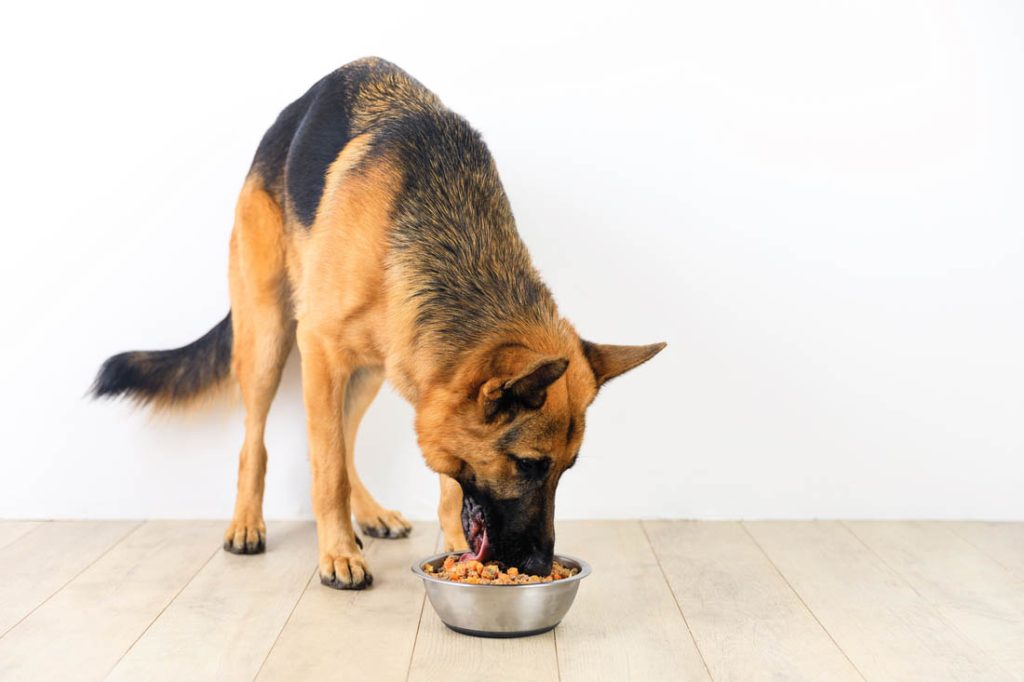
When it might be okay for adult dogs to eat puppy food
There are times adult dogs eat puppy food with benefit:
- Recovery after surgery or illness when they need extra calories
- Very active working or sporting dogs that burn high amounts of energy
- Underweight adults that need a calorie boost under veterinary guidance
- Short-term use during stress or increased appetite needs
Always check with your vet. They can adjust portions and monitor weight, blood work, and stool quality while adult dogs eat puppy food temporarily.
How to switch from puppy food to adult food safely
Switching slowly avoids upset stomach. Use a 7- to 10-day plan:
- Day 1–3: 75% puppy food, 25% adult food
- Day 4–6: 50% puppy food, 50% adult food
- Day 7–9: 25% puppy food, 75% adult food
- Day 10: 100% adult food
Weigh your dog weekly. Reduce portion sizes if you see weight gain. If diarrhea or vomiting appears, pause the transition and consult your vet.
Special cases: breeds, ages, and medical conditions
Large-breed adult dogs
- Excess calcium and calories can worsen joint problems if puppy food is not made for large breeds.
- Use breed-specific adult diets when possible.
Small-breed adult dogs
- Some small adults burn more calories and may tolerate puppy food short term.
- Still monitor weight and stool.
Senior dogs and medical conditions
- Senior or low-activity dogs usually need fewer calories, not more.
- Dogs with pancreatitis, kidney disease, or obesity should not eat puppy food without vet approval.
When adult dogs eat puppy food and have a health condition, professional guidance is required.
Practical tips for owners and common mistakes to avoid
Tips I use with clients:
- Read labels and compare calories per cup, protein, and fat.
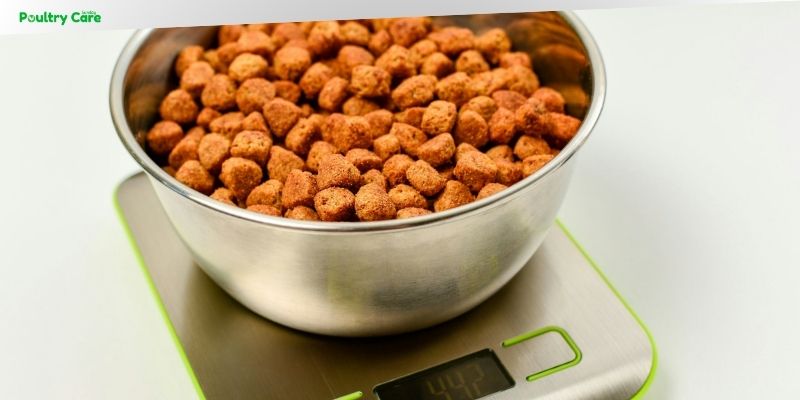
- Measure portions; don’t free-feed high-calorie puppy diets to adults.
- Track weight and body condition using a simple scale or vet visits.
- Use puppy food only short term or under vet orders.
Common mistakes:
- Leaving puppy kibble where adult dogs can graze all day.
- Assuming a dog looks healthy while gaining fat around the ribs.
- Switching abruptly between foods and causing digestive upset.
Signs to watch when adult dogs eat puppy food
Watch these signs closely:
- Rapid weight gain or loss
- Loose stools or diarrhea
- Lethargy or excess panting
- Joint stiffness in large breeds
If any sign appears, stop the puppy food and consult your vet. A blood test can reveal nutrient or organ issues early.
Cost and convenience considerations
Puppy food can be costlier per calorie due to higher quality protein and nutrient mix. If you use puppy food for adult dogs, measure portions precisely to avoid waste and weight problems. For convenience, keep a single adult maintenance food you trust and reserve puppy food for temporary needs.
Personal experience and lessons learned
I once advised a family who fed their adult beagle puppy food for comfort. The dog developed weight gain and low energy within months. We switched him back slowly and adjusted treats. The lesson: comfort feeding is common, but portion control and the right diet matter more than the type of food. My advice: use food to support health, not emotions.
Frequently Asked Questions of Can Adult Dogs Eat Puppy Food?
Can adult dogs eat puppy food every day?
Adult dogs should not eat puppy food daily unless directed by a vet. Regular feeding can cause weight gain and nutrient imbalances.
What happens if my adult dog eats puppy food once?
One meal of puppy food usually causes no harm. Watch for mild stomach upset, but most dogs recover quickly.
Is puppy food higher in calories than adult food?
Yes. Puppy food has more calories, protein, and fat to support growth, which can lead to weight gain in adult dogs.
Can senior dogs eat puppy food for weight gain?
Senior dogs should only eat puppy food for weight gain under veterinary supervision. Seniors have different nutrient needs and health risks.
How long can an adult dog stay on puppy food for recovery?
Short-term use for recovery is common and can last days to a few weeks. Follow your vet’s plan and monitor weight and stool.
Will puppy food cause joint problems in large breeds?
Feeding a growth-formulated puppy food to large-breed adults long term may raise joint stress and calcium issues. Use breed-appropriate adult diets when possible.
Conclusion
Adult dogs can eat puppy food in special situations, but long-term feeding is usually a poor choice. Use puppy food only short term or under veterinary advice, measure portions, and monitor weight and stool. Take action now: check your dog’s food label, weigh your pet weekly, and ask your vet if you are unsure. Share your experience or questions in the comments below — I’d love to help.