Last Updated on September 23, 2026
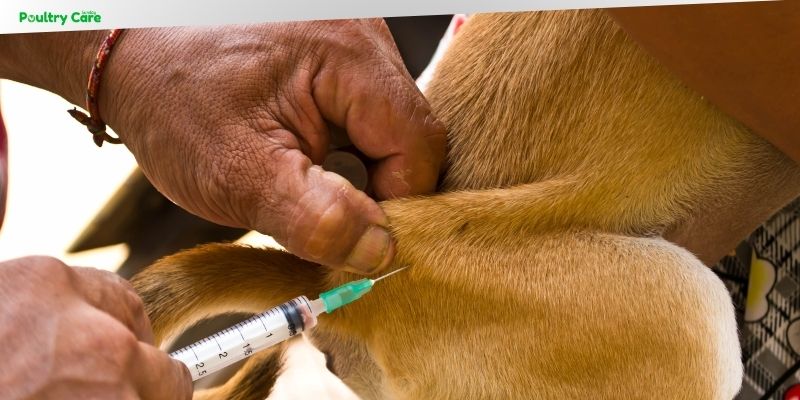
A distemper vaccine for dogs protects puppies and adult dogs from a serious, often fatal viral infection.
I’ve spent years working with veterinarians and dog owners to prevent common canine diseases. This guide explains what the distemper vaccine for dogs is, how it works, when to give it, risks and real-life tips you can use today. Read on to learn clear, practical steps to keep your dog safe and healthy.

What Is the Distemper Vaccine for Dogs?
The distemper vaccine for dogs is an immunization that trains a dog’s immune system to fight canine distemper virus. Canine distemper is a contagious virus that attacks the respiratory, gastrointestinal, and nervous systems. Without protection, infected dogs can become very sick or die. The vaccine is considered a core vaccine by most veterinary guidelines. Vaccinating helps stop outbreaks and protect communities of dogs.
How the Distemper Vaccine Works
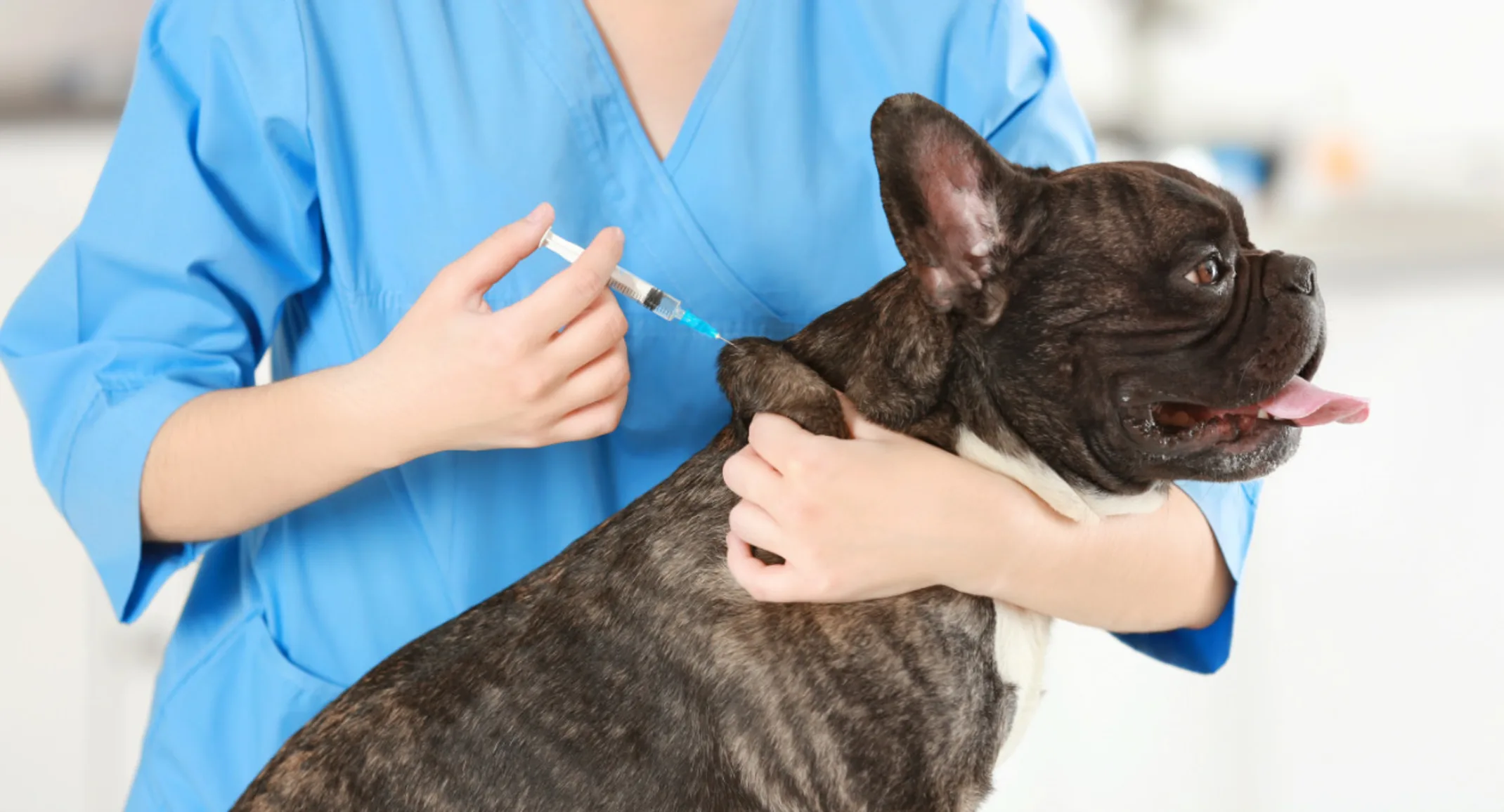
The distemper vaccine for dogs stimulates the immune system to make antibodies and memory cells. Later, if the dog meets the virus, the immune system reacts fast and limits infection. Most vaccines use either a modified live virus or recombinant technology to safely mimic infection without causing disease. A full vaccine series builds stronger, longer-lasting protection than a single shot.
Types of Distemper Vaccines and Combined Vaccines
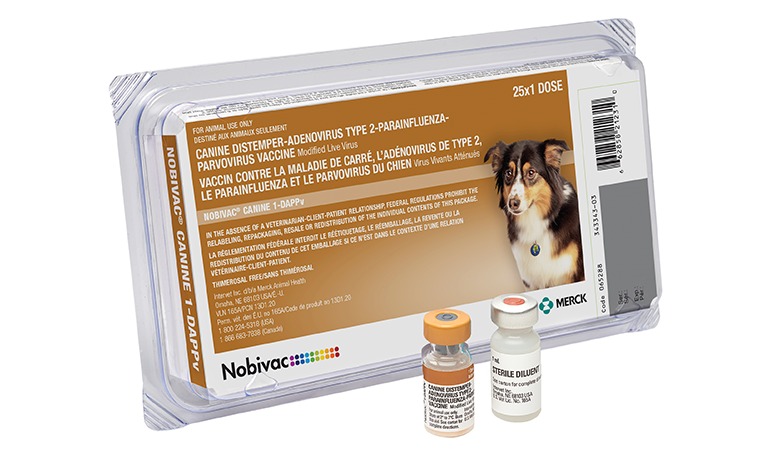
There are a few common types used in clinics:
- Modified live vaccines
- Contain weakened virus that prompts a strong immune response.
- Often used in healthy puppies and adult dogs.
- Recombinant vaccines
- Use a harmless vector to deliver distemper antigens.
- Good for dogs with certain immune concerns.
- Combination vaccines
- Often labeled DA2PP, DAPP, or DHPP.
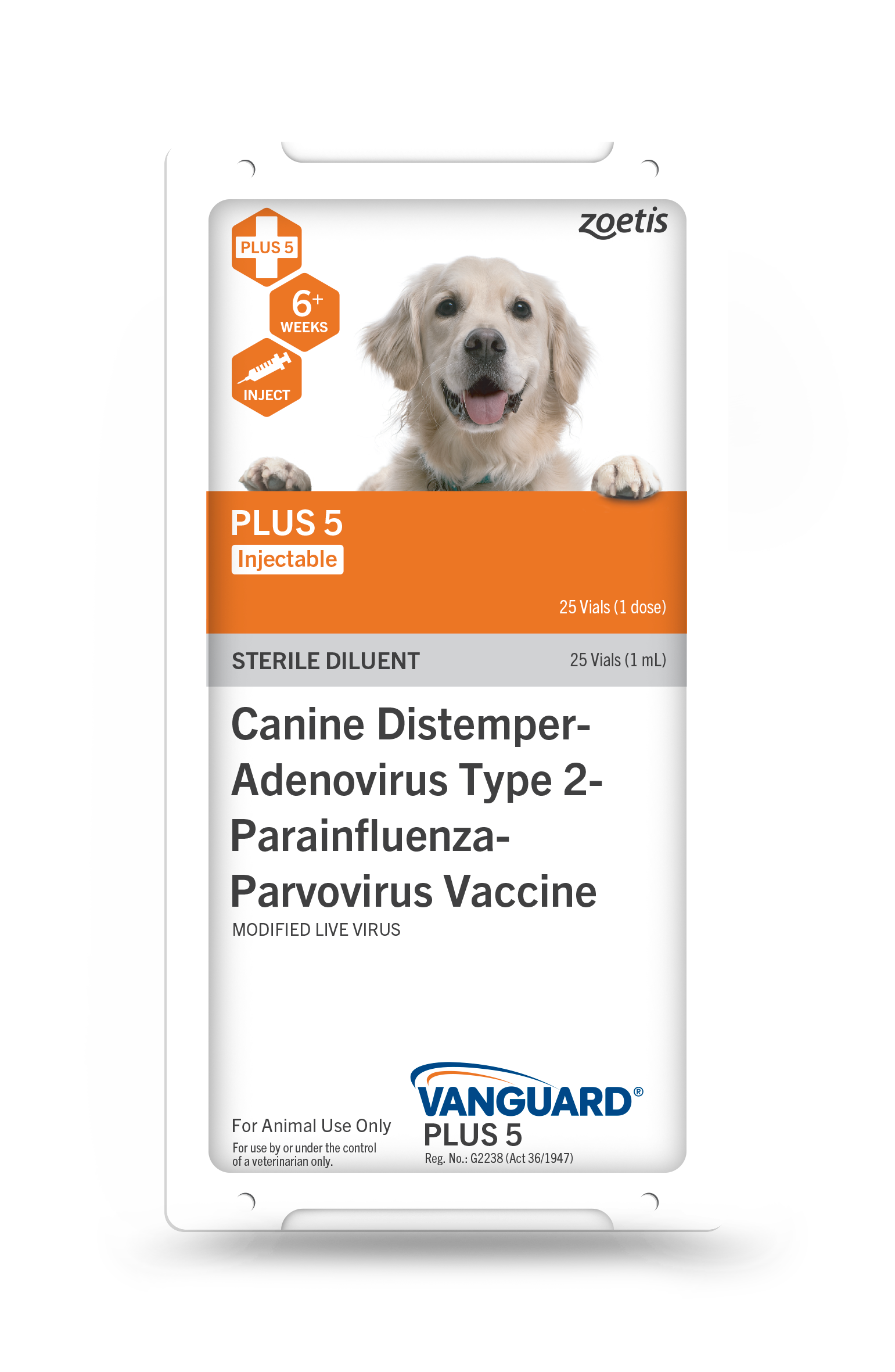
- Protect against distemper, adenovirus, parvovirus, and parainfluenza in one shot.
Veterinarians choose the type based on the dog’s age, health, and exposure risk. The distemper vaccine for dogs is most commonly given as part of these combination vaccines.
Typical Vaccination Schedule
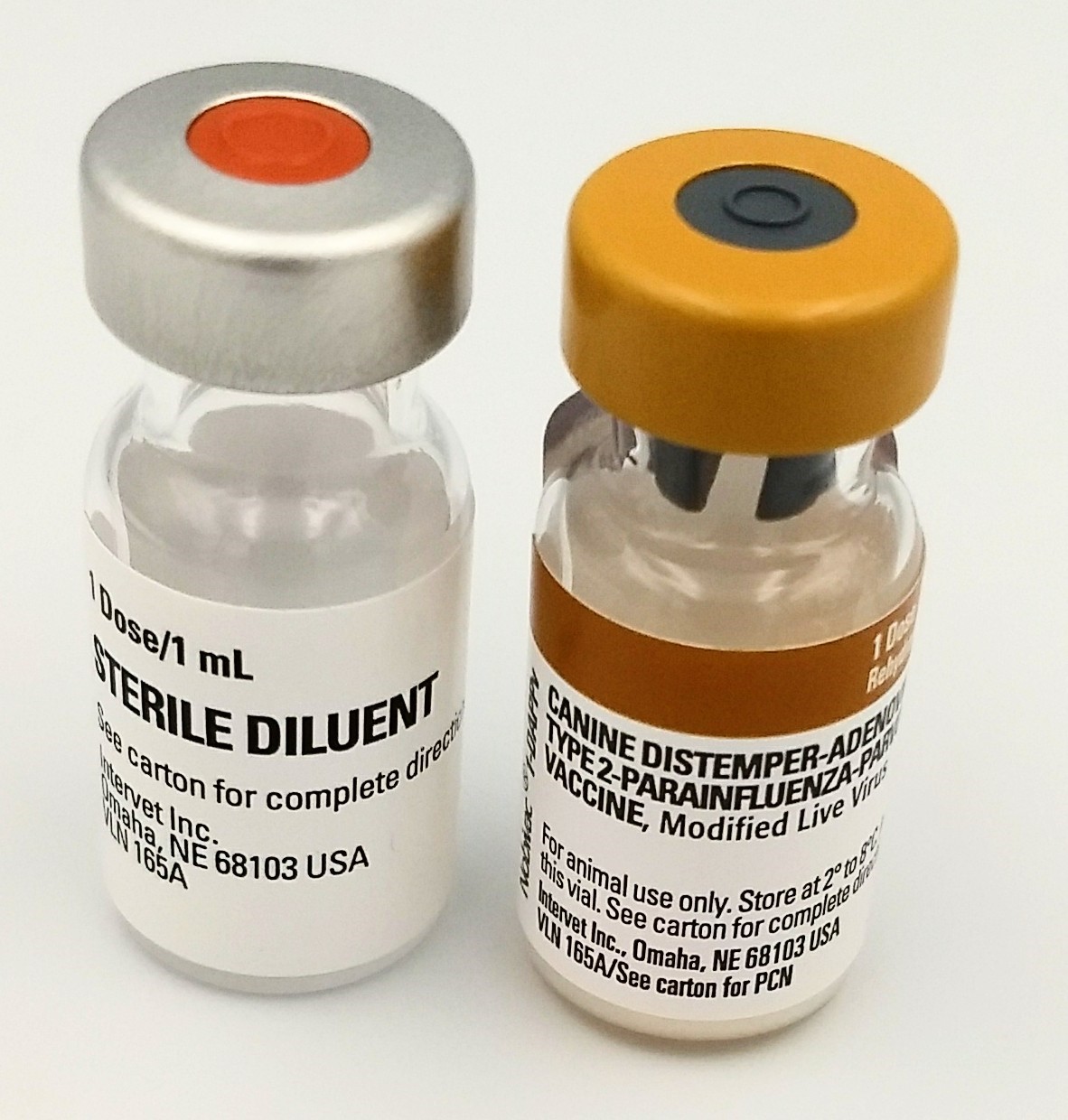
A clear schedule helps ensure protection:
- Puppies
- Start at 6 to 8 weeks old.
- Repeat every 3 to 4 weeks until at least 16 weeks of age.
- First adult booster
- Given around one year after the initial series.
- Ongoing boosters
- Many clinics recommend every 1 to 3 years depending on vaccine type and local risk.
- Special cases
- Pregnant or immunocompromised dogs need tailored plans.
Follow your vet’s recommended schedule to get the best results from the distemper vaccine for dogs.
Benefits and Limitations
Benefits
- Prevents severe illness and death from distemper.
- Reduces spread in shelters and communities.
- Often included in low-cost clinics and public health programs.
Limitations
- No vaccine gives 100 percent protection in every dog.
- Some dogs may need boosters sooner due to immune status.
- Rarely, vaccination may not protect if given too early or if maternal antibodies interfere.
Despite limits, the distemper vaccine for dogs remains the most effective tool to prevent this dangerous disease.
Side Effects and Safety
Common mild reactions
- Slight fever or reduced appetite for 24 to 48 hours.
- Temporary soreness at the injection site.
Less common but serious signs
- Severe allergic reaction (hives, facial swelling, collapse).
- Persistent vomiting or diarrhea.
When to call the vet
- If symptoms worsen or do not improve within 48 hours.
- If any breathing trouble, collapse, or swelling occurs immediately after vaccination.
Vaccines are tested for safety. Discuss your dog’s medical history with your vet before vaccinating.

Cost, Where to Get It, and Legal Requirements
Cost
- Prices vary widely by clinic and location.
- Expect inexpensive options at shelters or vaccine clinics and higher fees at private vets.
Where to get it
- Private veterinary clinics.
- Animal shelters and public vaccine drives.
- Some pharmacies and community clinics offer vaccinations.
Legal and travel requirements
- Distemper vaccine for dogs is a core vaccine recommended by vets but not usually a legal requirement like rabies.
- Boarding facilities and dog daycares often require proof of core vaccines.
Ask your vet for documentation and keep a vaccination record for travel or boarding.
My Experience and Practical Tips
I once helped a rescue litter with mixed vaccine histories. One puppy got sick because maternal antibodies blocked an early shot. We restarted the series and monitored antibody response. Key lessons:
- Start puppy series on time and finish the full set.
- Keep records and remind owners about boosters.
- Watch for bite or exposure risks and act quickly.
Practical tips
- Schedule vaccines during calm times of day.
- Feed a small meal beforehand to reduce upset stomach.
- Stay at the clinic for 15–30 minutes after vaccination if you’re worried about reactions.
These small steps make the distemper vaccine for dogs safer and less stressful for everyone.
People Also Ask (PAA-style questions)
How long does the distemper vaccine protect a dog?
Protection often lasts at least one to three years. Exact duration depends on vaccine type and individual immune response.
Can puppies get the distemper vaccine early?
Puppies start at 6–8 weeks. Very young puppies may still have maternal antibodies, so repeat shots are needed until 16 weeks.
Is the distemper vaccine safe for all dogs?
Most healthy dogs tolerate it well. Dogs with severe illness or certain immune problems need individualized advice from a vet.
Frequently Asked Questions of What Is Distemper Vaccine For Dogs?
What is canine distemper and why vaccinate?
Canine distemper is a viral disease that harms breathing, digestion, and the nervous system. Vaccination prevents severe illness and reduces spread among dogs.
At what age should a puppy get the distemper vaccine?
Puppies typically start the series at 6 to 8 weeks, repeating every 3 to 4 weeks until at least 16 weeks old.
Can adult dogs get the distemper vaccine if they never had one?
Yes. Adult dogs should receive a vaccine series recommended by a vet and then boosters as advised.
Are there risks to giving distemper vaccine to pregnant dogs?
Vaccination during pregnancy is usually avoided unless necessary. Discuss risks and timing with your veterinarian.
How do I know if my dog needs a booster?
Most clinics recommend boosters every 1 to 3 years. Check your dog’s vaccine record and talk to your vet about local disease risk.
Can other animals get canine distemper?
Some wildlife and ferret species can get similar viruses. The distemper vaccine for dogs is specific to canine distemper and is key to preventing spread in dog populations.
Conclusion
The distemper vaccine for dogs is a safe, effective core vaccine that prevents a serious and often fatal virus. Follow the recommended puppy series and boosters, watch for side effects, and keep good records. Protecting your dog helps protect other dogs too. If you have questions about timing, vaccine type, or costs, contact your veterinarian and schedule a vaccination plan today. Share your experiences or ask a question below — your input helps other dog owners make better choices.