Last Updated on September 23, 2026
Yes. Anxiety in dogs can cause diarrhea by disrupting gut motility and the gut-brain axis.
I’ve worked with dogs as a pet care writer and volunteer, and I’ve seen stress-triggered tummy upsets many times. This article explains how anxiety in dogs can cause diarrhea, how vets diagnose it, and what you can do at home to help your dog feel better. You’ll get clear signs to watch for, practical treatment options, prevention tips, and when to see a vet. Read on to learn easy, science-backed steps to protect your dog’s gut and reduce stress-related diarrhea.
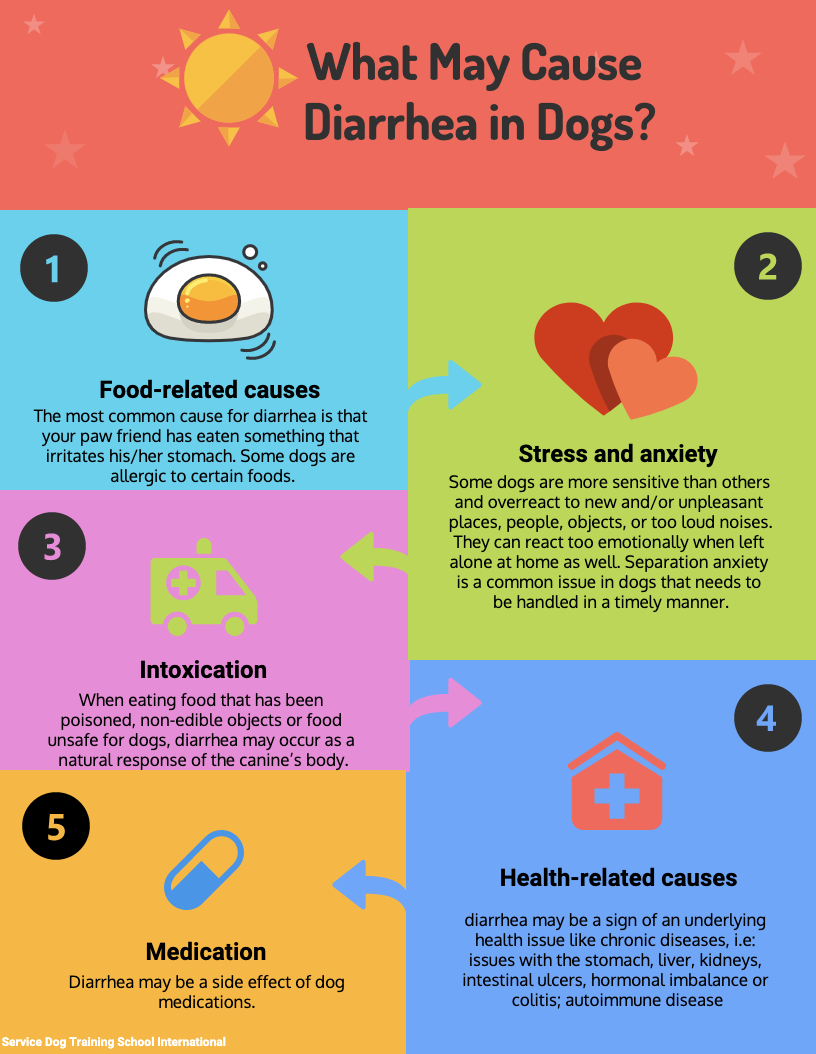
How anxiety affects a dog's gut
Anxiety triggers the body’s stress response. That floods the body with adrenaline and cortisol. In dogs, this changes gut motility and secretion. Faster gut movement can cause loose stools or diarrhea.
The gut and brain talk through nerves and chemicals. This link is the gut-brain axis. When a dog feels anxious, that axis becomes active and can upset digestion. In short, nervous dogs may poop more, have loose stool, or have sudden diarrhea.

Signs and symptoms to watch for
Look for changes in poop and behavior together. Anxiety-related diarrhea usually comes with stress signs.
Common signs:
- Loose, watery stool that starts soon after a stressful event
- Accidents in the house in a previously housetrained dog
- Pacing, trembling, whining, or hiding before or during diarrhea
- Loss of appetite or mild vomiting alongside loose stools
- Frequent small stools or sudden urgency to defecate
If the diarrhea is severe, bloody, or lasts more than 48 hours, treat it as an urgent medical issue rather than just anxiety.
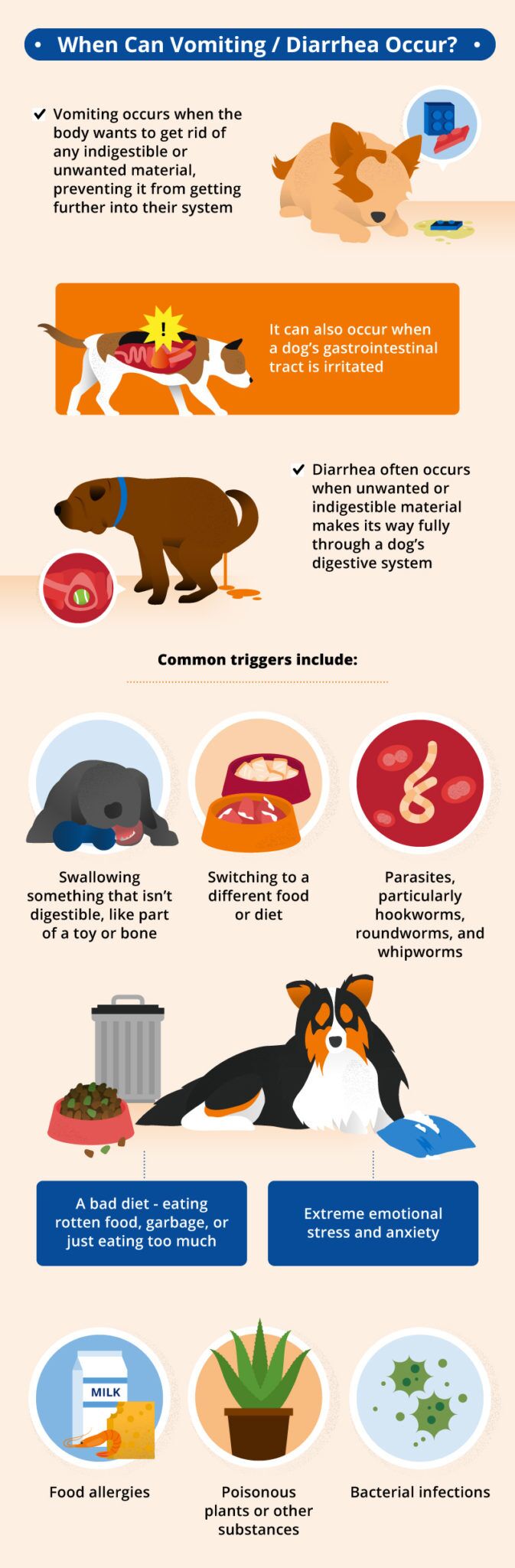
Common triggers of anxiety that lead to diarrhea
Many everyday events can trigger stress in dogs. Knowing common triggers helps prevent episodes.
Typical triggers:
- Loud noises like fireworks or thunderstorms
- Separation from the owner or sudden changes in routine
- Travel, vet visits, or car rides
- New people, animals, or unfamiliar places
- Pain, illness, or age-related confusion
Each dog is different. What stresses one dog may be fine for another. Tracking events and timing can reveal patterns that point to anxiety as the cause.
Diagnosis: How vets determine if anxiety causes diarrhea
Vets rule out other causes first. Testing ensures you treat the real problem.
Typical diagnostic steps:
- History and timeline of symptoms, including stress events
- Physical exam to check hydration and pain
- Fecal exam to rule out parasites or infection
- Blood tests to check organ function and inflammation
- Imaging if a foreign body or obstruction is suspected
If tests are normal and diarrhea coincides with stress, vets may diagnose stress-related or functional diarrhea. They often recommend behavior strategies plus supportive care.
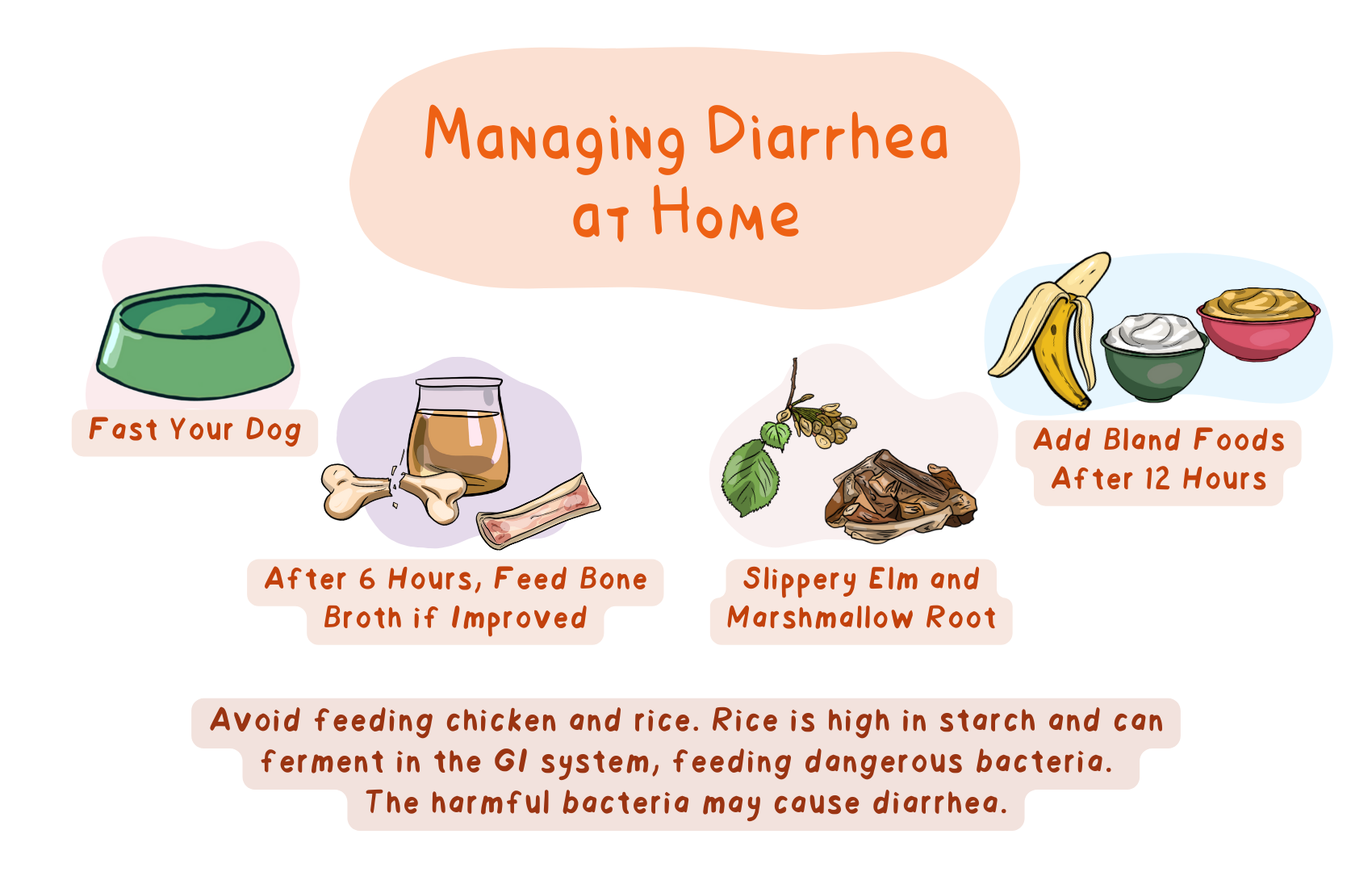
Treatment and management strategies
Treatment mixes immediate care for the stool and longer-term anxiety control. Both are important.
Immediate steps:
- Offer small amounts of bland food like boiled chicken and rice for 24 hours if the dog is stable
- Ensure fresh water and monitor for dehydration
- Probiotics or a vet-recommended digestive support can help restore balance
Behavioral and medical options:
- Behavior modification, counterconditioning, and desensitization for triggers
- Increase exercise and mental stimulation to lower baseline anxiety
- Use calming tools: pheromone diffusers, gentle pressure wraps, or safe chew toys
- Short-term medication for acute events (e.g., trazodone for storms) or long-term SSRIs if anxiety is chronic
- Work with a certified trainer or veterinary behaviorist for complex cases
I once helped a rescue dog with storm anxiety. Combining desensitization, a daily probiotic, and short-term medication stopped frequent diarrhea episodes within weeks. Patience and consistency were key.

Preventing anxiety-related diarrhea
Prevention focuses on reducing stress and building resilience. Small daily changes add up.
Prevention tips:
- Stick to a consistent feeding and walking schedule
- Use positive training to build confidence around triggers
- Provide puzzle feeders and enrichment to reduce boredom
- Create a safe space with familiar items and soft bedding
- Introduce triggers slowly and pair them with treats to lower fear
Track episodes in a journal. Note food, environment, and events. This helps spot patterns and prove whether anxiety is the root cause.
Quick PAA-style questions
What causes diarrhea in anxious dogs?
Anxiety speeds up gut movement and changes secretions. That can make stools loose or watery. It often occurs with stress or fear triggers.
How fast does anxiety-related diarrhea start?
Diarrhea can begin within minutes to hours after a stressful event. Timing helps link stress to gut upset.
Can diet changes stop stress diarrhea?
An improved diet helps gut health but won’t fix anxiety alone. Combine diet support with behavior change for best results.
Frequently Asked Questions of Can Anxiety In Dogs Cause Diarrhea?
What is the gut-brain axis in dogs?
The gut-brain axis is the communication network between the nervous system and the digestive tract. It means emotions can change gut function, causing diarrhea or other symptoms.
How long after stress will a dog have diarrhea?
Diarrhea can appear within minutes to up to 24 hours after stress. The timing depends on the dog and the type of stressor.
Are probiotics helpful for anxiety-related diarrhea?
Probiotics can restore healthy gut bacteria and may reduce stool changes. They work best alongside behavior and stress-reduction plans.
When should I take my dog to the vet for diarrhea?
See a vet if diarrhea lasts more than 48 hours, if there is blood, vomiting, fever, or signs of dehydration. Puppies and older dogs need earlier care.
Can behavior training stop diarrhea completely?
Behavior training can greatly reduce episodes, but it may not eliminate diarrhea if there are other medical issues. A combined plan usually works best.
Are there safe calming supplements for dogs?
There are supplements with ingredients like L-theanine or chamomile that may help some dogs. Always check with your vet for safety and proper dosing.
Can anxiety cause chronic diarrhea in dogs?
Yes, long-term anxiety can contribute to chronic loose stools. Treating the root anxiety and supporting gut health can often improve chronic cases.
Conclusion
Anxiety can cause diarrhea in dogs by changing how the gut works. A clear pattern of stress, normal test results, and the return of solid stools after calming measures point to anxiety as the cause. Start with gentle at-home care, track triggers, and consult your vet if symptoms persist or worsen. Take action today by observing your dog’s triggers, using simple calming tools, and asking your vet about probiotics or behavior help. If this article helped, try the tips, leave a comment about your experience, or subscribe for more pet wellness advice.