Last Updated on September 23, 2026
Mixed tocopherols are natural vitamin E antioxidants used to preserve fats and oils in dog food.
I’ve worked with pet food teams and read ingredient panels for years. I’ll explain what mixed tocopherols are, why manufacturers add them to dog food, how they affect your dog’s health, and what to watch for on labels. This guide blends research, clear examples, and real-world tips so you can make informed choices for your dog.
What Are Mixed Tocopherols In Dog Food?
Mixed tocopherols in dog food are a blend of natural vitamin E compounds. They act mainly as antioxidants. Antioxidants slow oxidation. Oxidation causes fats to go rancid. Rancid fats reduce food quality and can harm health.
Mixed tocopherols include alpha, beta, gamma, and delta tocopherols. Each tocopherol has slightly different activity in the body. In dog food, manufacturers use the mix to protect fats, oils, and fat-soluble nutrients from breaking down. The term appears on labels as an ingredient and as a preservative alternative to synthetic options.
Why Manufacturers Use Mixed Tocopherols In Dog Food
Manufacturers add mixed tocopherols in dog food for several practical reasons:
- Preserve freshness and shelf life of fats and oils.
- Protect omega fatty acids and fat-soluble vitamins.
- Support a “natural preservative” label claim.
- Help maintain flavor, smell, and color of the kibble or canned food.
Using mixed tocopherols can be cheaper and more consumer-friendly than synthetic antioxidants. The label often reads “mixed tocopherols (a source of vitamin E).” This phrasing reassures buyers seeking natural ingredients. Still, how they’re applied varies by brand, recipes, and processing methods.
Health Benefits and Safety for Dogs
Mixed tocopherols in dog food contribute to dog health in small ways. They help protect nutrients that support skin, coat, and immune health. Natural vitamin E is important for cell protection. Dogs need some vitamin E, especially on high-fat diets or foods rich in omega-3s.
Safety points
- Doses in commercial foods are typically low and safe.
- Toxicity from mixed tocopherols in food is extremely rare.
- Excess vitamin E supplements can interfere with other vitamins if given in large amounts.
If your dog takes separate vitamin E supplements, check total intake. Ask your vet before adding supplements. Research supports the antioxidant role of tocopherols, but complete nutrient balance matters most.

How to Read Dog Food Labels for Mixed Tocopherols
Look for these label clues when checking for mixed tocopherols in dog food:
- Ingredient line: mixed tocopherols, tocopherol-rich extract, or natural mixed tocopherols.
- Parentheses often include “a source of vitamin E.”
- Order matters: ingredients appear by weight. If mixed tocopherols appear near the end, they’re present in small amounts.
- Marketing language: phrases like natural preservatives or no synthetic antioxidants often mean mixed tocopherols are used.
Steps to choose wisely
- Compare similar foods and ingredient lists.
- Note where mixed tocopherols appear in the list.
- Ask the brand about tocopherol source and concentration if unclear.

Sources and Types of Tocopherols
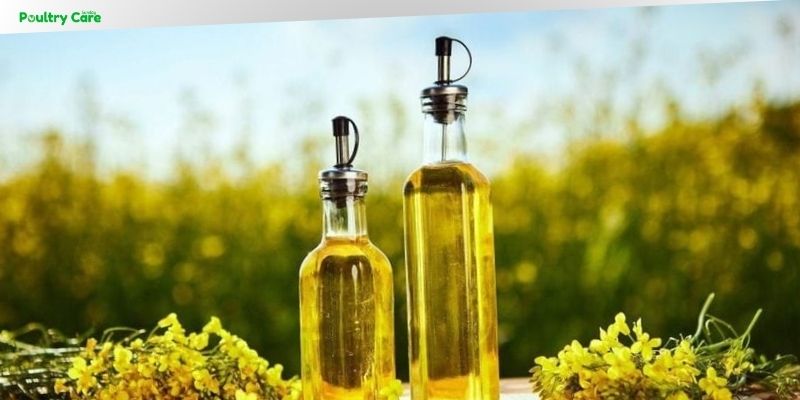
Mixed tocopherols can come from plant oils and oil refining. Common sources include:
- Soy, sunflower, and canola oils.
- Tocopherol extracts from vegetable oil processing.
- Synthetic analogs exist, but labeled “mixed tocopherols” usually mean natural origin.
Types and roles
- Alpha-tocopherol is best known for vitamin E activity.
- Gamma- and delta-tocopherols are strong antioxidants for food preservation.
- A blend balances antioxidant strength and vitamin activity.
Knowing the source helps if you have breed-specific sensitivities or dietary preferences for non-soy or non-GMO ingredients.
Limitations and Concerns About Mixed Tocopherols In Dog Food
Mixed tocopherols are useful but not perfect. Understand these limitations:
- “Natural” label can be used loosely by brands.
- Mixed tocopherols preserve fats but do not replace good manufacturing practices.
- Some dogs may have rare sensitivities to source oils in tocopherol extracts.
- They do not add meaningful vitamin E nutrition unless the product lists vitamin E amounts.
Keep perspective. Mixed tocopherols prevent rancidity. They are not a cure-all. Balance of the whole diet matters more than any single preservative.

My Experience and Practical Tips
I read dozens of dog food labels for clients and for my own dogs. I learned these practical tips:
- If a food lists mixed tocopherols, it usually means the fats will stay fresher longer.
- For homemade diets, I recommend adding a small, vet-approved antioxidant plan since homemade diets lack commercial preservation.
- Store opened dry food in a cool, dark container to work alongside mixed tocopherols.
- Rotate foods and check best-by dates. Even foods with mixed tocopherols can go bad if stored poorly.
A mistake I made once was buying a large bag and leaving it by a sunny window. The fats degraded despite the tocopherols. Now I buy smaller bags and store them in airtight containers.

Common Misunderstandings About Mixed Tocopherols In Dog Food
Clear up these myths:
- Myth: Mixed tocopherols are the same as synthetic preservatives. Reality: They are natural antioxidants, not synthetic BHA or BHT.
- Myth: Mixed tocopherols make food highly nutritious. Reality: They help preserve nutrients but do not add full vitamin supply.
- Myth: They prevent all spoilage. Reality: They slow oxidation of fats but don’t prevent microbial spoilage or poor processing effects.
Understanding limits helps you judge label claims better.
PAA-style Questions
What are mixed tocopherols used for in dog food?
They are used as natural antioxidants to protect fats and fat-soluble nutrients from oxidation.
Are mixed tocopherols safe for dogs long-term?
Yes. At levels used in commercial foods, mixed tocopherols are considered safe and well tolerated.
Do mixed tocopherols add vitamin E nutrition?
They can contribute small amounts, but they are mainly used as preservatives and may not provide full daily vitamin E needs.
Do mixed tocopherols mean a food is better?
Not always. They indicate a natural preservative choice, but overall ingredient quality and processing matter more.
Can mixed tocopherols trigger allergies in dogs?
Allergies are rare. Reactions are more likely tied to the oil source used to extract tocopherols than to tocopherols themselves.
Frequently Asked Questions of What Are Mixed Tocopherols In Dog Food?
What exactly are mixed tocopherols?
Mixed tocopherols are a natural blend of vitamin E compounds used as antioxidants in dog food to prevent fat oxidation.
Are mixed tocopherols the same as vitamin E supplements?
They are forms of vitamin E, but in dog food they mainly act as preservatives and may not meet supplemental dosage needs.
Can mixed tocopherols harm my dog?
At typical food levels, mixed tocopherols are safe. Harm is rare and usually linked to excessive supplemental vitamin E, not the ingredient in food.
Should I avoid foods with mixed tocopherols?
No. Mixed tocopherols are generally a preferred natural preservative. Focus on overall diet quality and storage practices.
How can I check how much vitamin E is in the food?
Check the guaranteed analysis or contact the manufacturer. The ingredient list alone won’t show exact vitamin E amounts.
Do mixed tocopherols replace other antioxidants?
They are one antioxidant option. Brands often combine them with other antioxidants or preservation strategies for best results.
Are mixed tocopherols natural or synthetic?
When labeled as mixed tocopherols, they are typically natural extracts from vegetable oils. Synthetic forms are labeled differently.
Conclusion
Mixed tocopherols in dog food are natural antioxidant blends used to keep fats and nutrients stable. They help preserve freshness and support nutrient quality, but they do not replace balanced nutrition or good storage habits. When choosing food, read labels, store food properly, and ask brands for clarity if needed. Start by checking ingredient lists on your current dog food and consider smaller packages or airtight containers to keep food fresh. If you found this helpful, subscribe for more pet nutrition tips or leave a comment with your questions.