Last Updated on September 23, 2026
Canola oil in dog food is generally safe when used in moderation and from reputable sources.
I’ve worked with pet nutritionists and tested many commercial diets, so I know how confusing ingredient lists can be. This article explains whether canola oil in dog food is bad, breaks down the science, and gives clear guidance you can use when choosing food for your dog. Read on to learn benefits, risks, label tips, and practical steps to keep your dog healthy.
What is canola oil and why is it used in dog food?
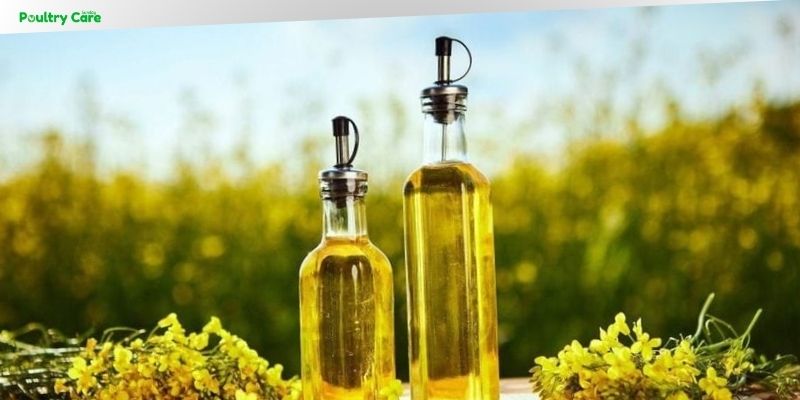
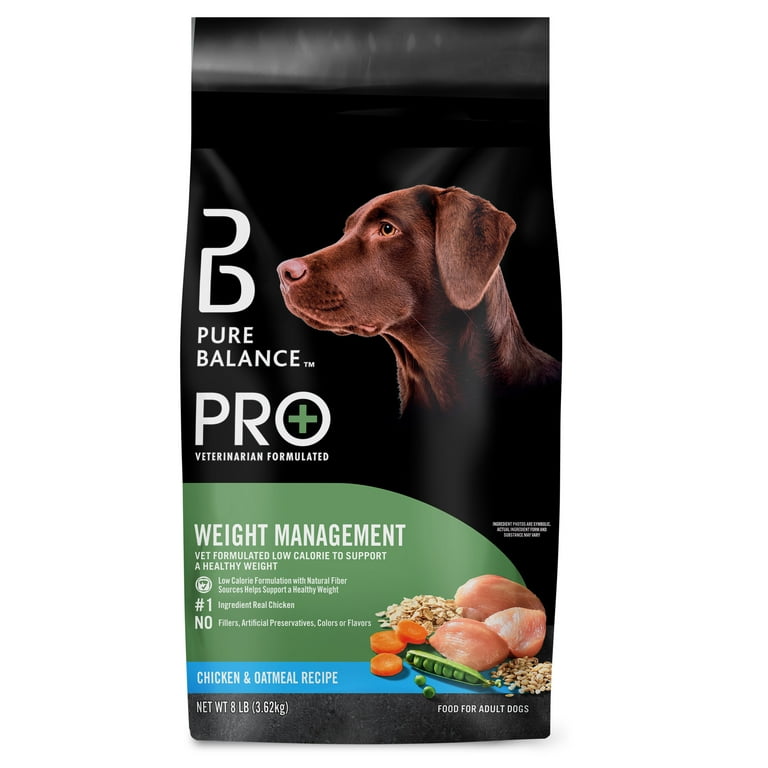
Canola oil comes from a type of rapeseed plant bred for low levels of certain compounds. It is a vegetable oil that is light in flavor and texture. Pet food makers use canola oil for calories, palatability, and to supply essential fatty acids. The phrase canola oil in dog food appears on many ingredient lists because it is cheap and stable.
Common reasons canola oil appears in dog food:
- Provides energy in a dense form.
- Helps wet and dry food carry flavor.
- Supplies omega-6 and some omega-3 fatty acids.
- Keeps kibble texture and shelf life consistent.
Canola oil in dog food is neither a miracle nor an obvious danger. Its role depends on quantity, overall diet balance, and the dog’s health.
Is canola oil in dog food bad? The evidence and nuance
Short answer: canola oil in dog food is not inherently bad for most dogs. The safety comes down to how much is used and the overall fatty acid balance. Dogs need fats for energy, cell membranes, and skin health. The concern people raise is about processed oils, omega ratios, and contaminants from poor processing.
Key points to know:
- Fats are essential for dogs. They need omega-6 and omega-3 fatty acids.
- Canola oil has a moderate amount of omega-3 (alpha-linolenic acid) and omega-6 (linoleic acid).
- If a food uses canola oil alongside fish oil or other omega-3 sources, the balance may be good.
- Extremely high levels of any single oil can cause calorie imbalance and weight gain.
Scientific studies and veterinary guidelines generally accept canola oil as a safe ingredient when used properly. However, not all canola oil is created equal. Cold-pressed, low-heat processing keeps more nutrients than highly refined oil.

Benefits of canola oil in dog food
Canola oil offers several practical benefits when included properly in dog food formulas.
Benefits include:
- Good source of calories for active or working dogs.
- Supplies essential fatty acids needed for skin and coat health.
- Mild flavor that does not overpower other ingredients.
- Often helps with kibble texture and food palatability.
- Cost-effective for manufacturers, which can lower price for consumers.
In formulas that also include marine omega-3s, canola oil helps round out fatty acid profiles. For dogs with dry or flaky skin, canola oil can be part of a helpful dietary approach when the overall omega balance is correct.

Risks and concerns with canola oil in dog food
While generally safe, there are valid concerns to consider about canola oil in dog food.
Potential risks:
- Imbalanced omega ratio if used as the primary fat source. Too much omega-6 relative to omega-3 can promote inflammation.
- Highly refined oils may lose beneficial antioxidants and may contain trace processing residues.
- High calorie density can lead to weight gain if portions aren’t adjusted.
- Dogs with specific allergies or sensitivities might react to certain oils.
- Low-quality sourcing can raise contamination or rancidity risks.
Practical examples:
- A kibble that lists canola oil as the top fat ingredient but lacks fish oil may offer limited omega-3 benefits.
- Over-reliance on any one oil can reduce diet diversity and nutrient resilience.
Always watch your dog’s weight, coat, and stool when switching foods that contain canola oil. If you see skin irritation, itching, or digestive upset, consult your vet.
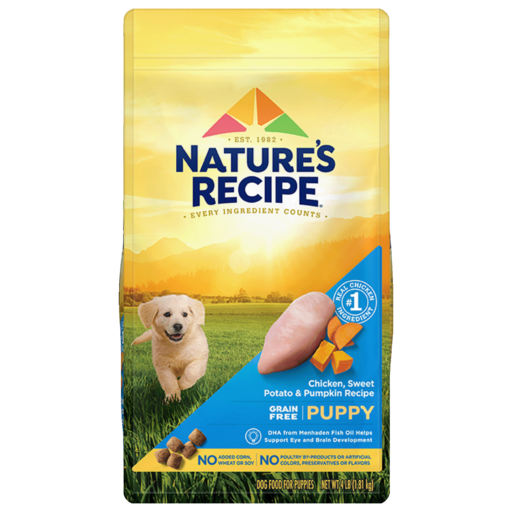
How to evaluate dog food labels for canola oil
Reading labels helps you judge if canola oil in dog food is appropriate for your pet. Focus on these steps.
Steps to evaluate:
- Check the ingredient order. Ingredients are listed by weight; a top-listed oil means more fat by weight.
- Look for additional omega-3 sources. Ingredients like fish oil, salmon oil, or flaxseed complement canola oil.
- Note nutrient guarantees. The guaranteed analysis should show fat percentage appropriate for your dog’s life stage.
- Research brand sourcing. Reputable brands explain processing and oil sourcing.
- Check for preservatives. Natural antioxidants (vitamin E, mixed tocopherols) are better than synthetic ones.
If you need a low-fat diet for a medical condition, a product high in canola oil may not be the right choice. Talk to your vet for tailored advice.

Alternatives to canola oil in dog food
If you prefer to avoid or limit canola oil, there are several alternative fats used in pet food.
Common alternatives:
- Fish oil: high in EPA and DHA, excellent for anti-inflammatory support.
- Flaxseed oil: plant-based omega-3 source but provides ALA, which converts poorly to EPA/DHA.
- Chicken fat: highly palatable and common in many formulas.
- Coconut oil: medium-chain triglycerides that some owners use for energy and coat shine.
- Olive oil: light and antioxidant-rich; used sparingly for palatability.
Each alternative has pros and cons. For example, fish oil supplies direct EPA/DHA but can be more expensive and prone to oxidation. Consider your dog’s needs and the overall formulation.
My experience and practical tips
I’ve reviewed dozens of pet food labels and tested diets on shelter and client dogs. From that work, a few practical lessons stood out.
What I learned:
- Dogs usually tolerate canola oil well when the food balances fatty acids.
- Look for foods that pair canola oil with marine omega-3s for better inflammation control.
- Watch for rancidity. Oils go bad. Store food in a cool, dry place and use sealed bags or containers.
- If your dog has skin issues, try a diet trial for 8–12 weeks before concluding oil is the cause.
Personal tip: when switching to a new food with canola oil, introduce it slowly over a week and monitor coat, energy, and stool. If anything seems off, consult your vet before stopping.

Frequently Asked Questions of Is Canola Oil In Dog Food Bad?
Is canola oil toxic to dogs?
No. Canola oil is not toxic to dogs. It is a common, safe dietary fat when used in normal amounts.
Will canola oil make my dog gain weight?
It can if fed in excess. Oils are calorie-dense, so portion control is key to prevent weight gain.
Is canola oil better than chicken fat?
It depends on the goal. Chicken fat is more palatable for many dogs, while canola oil has a different fatty acid profile and is plant-based.
Can canola oil cause skin allergies in dogs?
Canola oil itself is not a common allergen, but individual dogs can react to any ingredient. Test with a diet trial if you suspect a sensitivity.
Should puppies eat food with canola oil?
Puppies can eat diets with canola oil if the food is formulated for growth and has balanced fatty acids. Choose puppy-specific diets recommended by your vet.
How can I tell if canola oil in dog food is high quality?
Look for minimal processing claims, added antioxidants, and clear sourcing information from the brand. Transparency is a good sign.
Conclusion
Canola oil in dog food is generally safe for most dogs when included at appropriate levels and paired with other omega-3 sources. It provides calories, improves palatability, and supports skin and coat when balanced within a full diet. Be mindful of label quality, portion sizes, and your dog’s individual health needs. If you want the best for your dog, compare formulas, ask brands about sourcing, and consult your veterinarian for tailored advice.
Take action today: check your dog’s food label for canola oil and other fat sources, monitor your dog’s coat and weight, and talk with your vet if you have concerns. Share your experiences or questions in the comments below — I’d love to help.