
Last Updated on September 23, 2026
Most hypoallergenic breeds — like Poodles and Bichons — shed very little and suit allergy sufferers.
As a longtime dog groomer and owner, I help people choose pets that fit their homes and health needs. This guide answers What Breed Of Dog Does Not Shed? with clear facts, breed profiles, care tips, and real-life experience. Read on to learn which breeds shed least, why no dog is 100% non-shedding, and how to pick the best match for your lifestyle and allergies.
Understanding Shedding and Hypoallergenic Dogs
Shedding is a natural process where dogs lose old or damaged hair. Some breeds shed visibly and often. Other breeds have hair that grows continuously, so loose hairs stay trapped in the coat and are removed by grooming.
When people ask What Breed Of Dog Does Not Shed? they usually mean breeds that leave much less hair around the house. No breed is truly 100% non-shedding. Instead, many breeds are low-shedding or considered hypoallergenic because they produce fewer airborne dander particles.
Key terms to know:
- Shedding: hair falling out naturally.
- Hypoallergenic: lower chance of triggering allergies, not guaranteed.
- Coat types: double coat sheds more; single hair-like coats shed less.
My experience working with clients shows that clear expectations and grooming routines matter more than breed alone when managing hair and allergies.

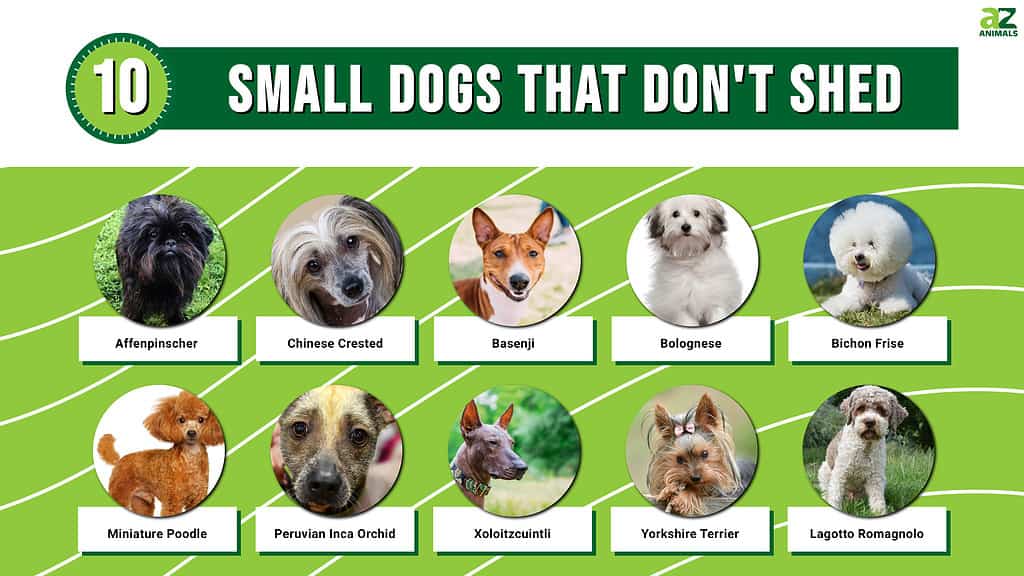
Top Breeds That Do Not Shed
Below are breeds widely known for minimal shedding and friendly temperaments. Each entry covers size, temperament, grooming needs, and allergy notes.
-
Poodle (Toy, Miniature, Standard)
- Intelligent and highly trainable.
- Coat: curly, low-shedding hair that needs regular clipping.
- Great for allergy sufferers when groomed often.
-
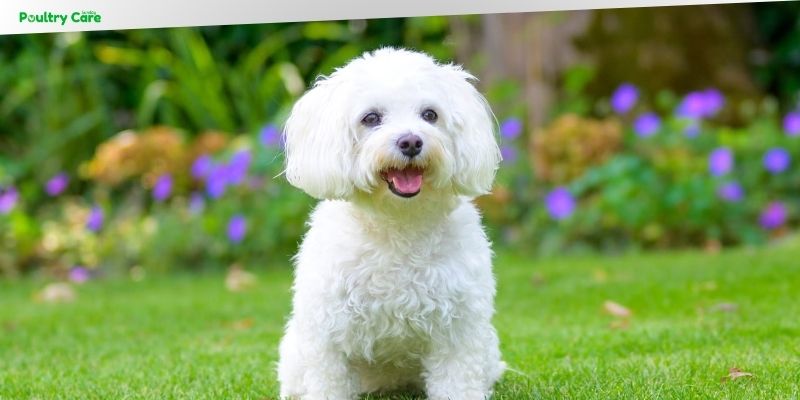
Bichon Frise
- Small, playful, and social.
- Coat: soft, curly hair that mats without grooming.
- Low shedding but needs weekly brushing and trimming.
-
Maltese
- Gentle lap dog with long, silky hair.
- Coat: hair-like fur that sheds little when kept trimmed.
- Regular grooming prevents tangles and dander buildup.
-
Portuguese Water Dog
- Energetic and good for active families.
- Coat: curly or wavy, low-shedding hair that benefits from clipping.
- Often used by allergy-prone households.
-
Schnauzer (Miniature, Standard, Giant)
- Alert and family-friendly.
- Coat: wiry topcoat with little loose hair; needs hand-stripping or clipping.
- Low shed and moderate grooming needed.
-
Soft Coated Wheaten Terrier
- Friendly and energetic.
- Coat: silky and single-layered; sheds minimally with regular maintenance.
- Requires routine brushing to avoid mats.
-
Kerry Blue Terrier and Bedlington Terrier
- Both have unique wool-like coats that shed little.
- Active breeds that need experienced grooming.
-
Havanese and Yorkshire Terrier
- Small dogs with long, fine hair that sheds very little.
- Good for apartment living if groomed regularly.
Remember: What Breed Of Dog Does Not Shed? depends on coat type and care, not just breed label. A well-groomed Poodle mix can shed less than an unkempt short-haired dog.

Grooming and Care for Non-Shedding Dogs
Non-shedding breeds still need care. Grooming prevents mats, reduces dander, and keeps skin healthy.
Daily to weekly routines:
- Brush 3 to 7 times a week for curly or long coats to remove trapped hair and prevent mats.
- Bathe every 4 to 8 weeks using a gentle, hypoallergenic shampoo.
- Trim or clip every 4 to 12 weeks depending on breed and owner preference.
- Clean ears and trim nails regularly to avoid infections and discomfort.
Tools that help:
- Slicker brush for tangles.
- Comb for removing loose hair close to the skin.
- Grooming clippers or professional groomer services for coat management.
Grooming not only reduces visible hair but also reduces dander, which helps people with mild allergies. When folks ask What Breed Of Dog Does Not Shed? I always stress that grooming habits matter as much as breed choice.
Health and Allergy Considerations
Choosing a low-shedding dog does not guarantee an allergy-free home. Allergies react to dander, saliva, and urine proteins as much as to hair.
Points to consider:
- Allergy tests and a trial period with the dog can show real reactions.
- Some non-shedding breeds suffer breed-specific health issues. For example, Poodles can have hip or skin concerns.
- Regular vet checkups catch skin conditions that can increase shedding or dander.
Scientific and veterinary guidance supports that consistent cleaning, HEPA air filtration, and regular grooming reduce allergens in the home. If you truly need low allergens, spend time with the breed first and consult your allergist.
How to Choose the Right Non-Shedding Breed for You
Match the dog's energy, size, and grooming needs to your life. Ask these questions when deciding What Breed Of Dog Does Not Shed? for your home:
- How much daily exercise can I provide?
- How much time or budget do I have for grooming?
- Do I want a small lap dog or a larger working breed?
- Are there children or other pets in the home?
Practical steps:
- Spend time with the breed at a shelter or breeder before committing.
- Consider mixed breeds; many poodle mixes combine low shedding and great temperaments.
- Plan for training, socialization, and lifelong veterinary care.
Choosing the right dog reduces regret and improves the bond for both of you.

Personal Experience and Practical Tips
I have groomed dozens of poodles, bichons, and mixes. From that work I learned a few reliable rules:
- Regular trims make hair easier to manage. A short, tidy clip reduces tangling and dander.
- Training dogs to accept brushing from a young age makes grooming calm and quick.
- Owners who vacuum weekly, launder bedding, and use an air purifier report fewer allergy episodes.
One client switched from a short-haired family dog to a Poodle mix. Their home looked cleaner and allergy symptoms eased after a trial period and consistent grooming. Mistakes to avoid: skipping grooming appointments and assuming "non-shedding" means "no maintenance."
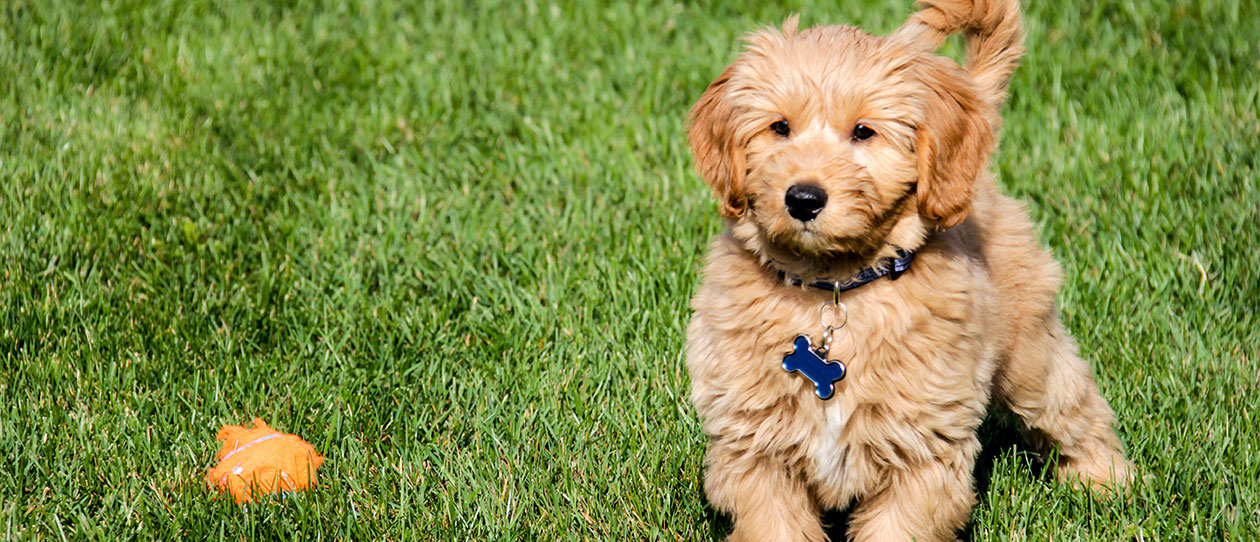
Frequently Asked Questions of What Breed Of Dog Does Not Shed?
What breed of dog does not shed hair at all?
No dog is 100% non-shedding. Breeds like Poodles, Bichon Frise, and Maltese shed much less, but some hair and dander will still be produced.
Are hypoallergenic dogs better for people with allergies?
Hypoallergenic dogs often produce fewer airborne allergens, but they are not a guaranteed solution. Allergy testing and trial visits with the dog are the best ways to judge reactions.
Do mixed breeds like Goldendoodles shed less?
Many poodle mixes, including Goldendoodles, shed less than their non-poodle parents. Results vary by individual and coat type, so grooming and testing matter.
How often should low-shedding dogs be groomed?
Most low-shedding dogs need professional grooming every 4 to 12 weeks and brushing several times weekly to prevent mats and reduce dander.
Can grooming completely prevent allergic reactions?
Grooming reduces hair and dander but does not eliminate all allergens. Combined strategies—cleaning, air filtration, and vet care—work best to lower reactions.
Conclusion
Choosing a dog based on What Breed Of Dog Does Not Shed? starts with realistic expectations. Low-shedding breeds like Poodles, Bichons, and Maltese can help reduce hair and allergens, but no dog is truly non-shedding. Focus on match, grooming, and health care to find a pet that fits your home and needs.
Take action: spend time with breeds you like, consult with a vet or allergist, and schedule a grooming trial. If this guide helped, comment with your top breed picks or subscribe for more pet care tips.