Last Updated on September 23, 2026
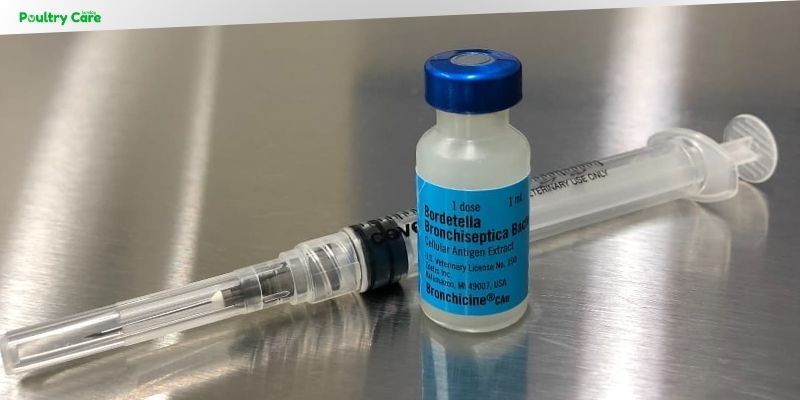
A vaccine that helps prevent kennel cough by targeting Bordetella bronchiseptica and related causes.
I’ve worked alongside veterinarians and cared for many dogs, so I know how worrying respiratory outbreaks can be. This guide explains what the Bordetella vaccine for dogs is, how it works, when your dog needs it, risks and benefits, and practical tips from real clinic experience. Read on to make an informed decision that protects your dog and gives you peace of mind.
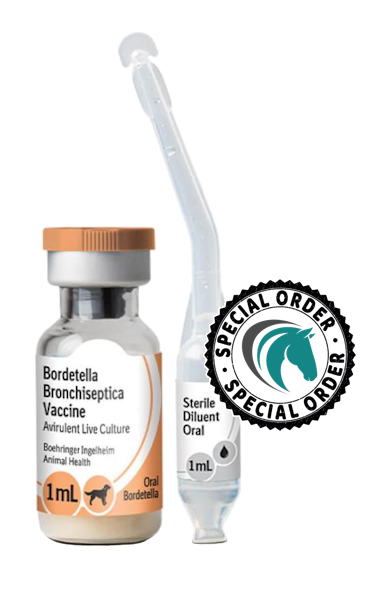
What is the Bordetella vaccine for dogs?
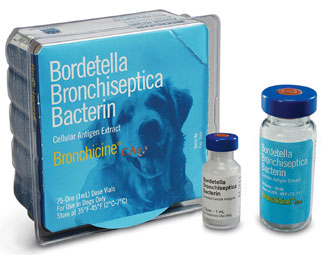
The Bordetella vaccine for dogs protects against Bordetella bronchiseptica, a common bacterial cause of infectious tracheobronchitis, or kennel cough. Kennel cough is a highly contagious respiratory illness that spreads easily where dogs mix, such as boarding facilities, dog parks, grooming salons, and training classes.
Bordetella vaccine for dogs often targets the bacteria directly and can also reduce disease severity when other pathogens (like canine parainfluenza virus) are involved. The vaccine exists in different forms and routes, each with pros and cons you should know.
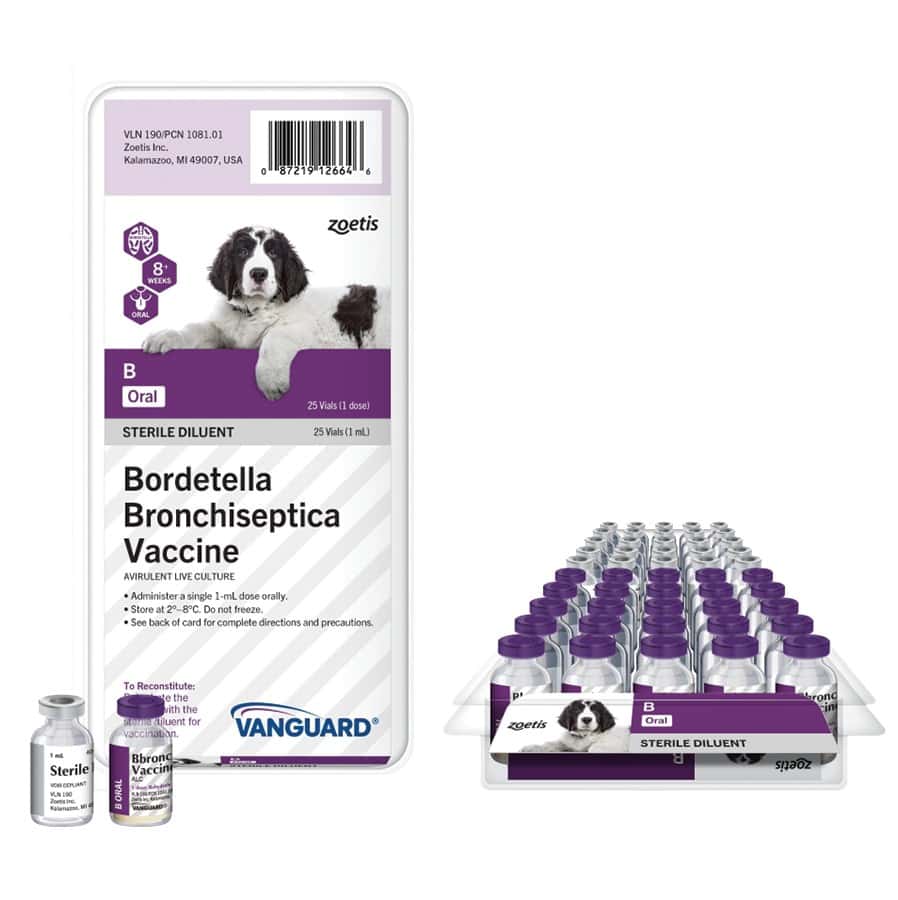
How the Bordetella vaccine works
The vaccine trains the dog’s immune system to recognize and respond quickly to Bordetella bronchiseptica. When vaccinated, dogs build local immunity in the respiratory tract or systemic immunity via the blood, depending on vaccine type.
Bordetella vaccine for dogs provides:
- Local immunity: Intranasal or oral vaccines stimulate defenses where infection starts.
- Systemic immunity: Injectable vaccines prompt circulating antibodies that also help control infection.
- Reduced severity: Vaccinated dogs may still get infected but usually have milder signs and spread less disease.

Types and routes of Bordetella vaccine for dogs
There are three common types of Bordetella vaccine for dogs:
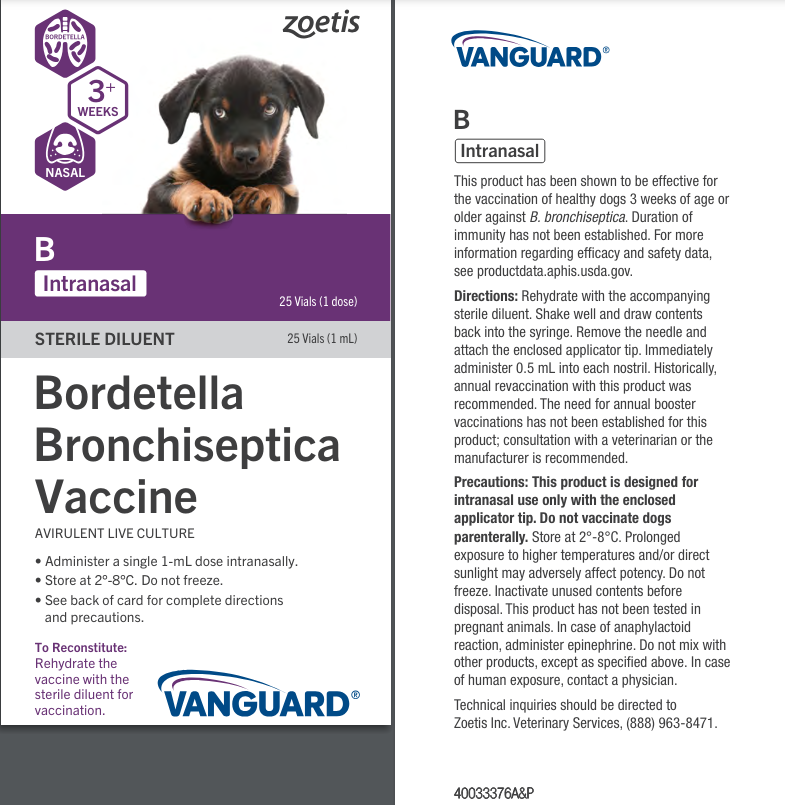
- Intranasal vaccine: Given as drops in the nose; it acts fast and builds local immunity. It may provide quicker protection and reduce transmission.
- Oral vaccine: Administered by mouth; useful for dogs that resist nose drops.
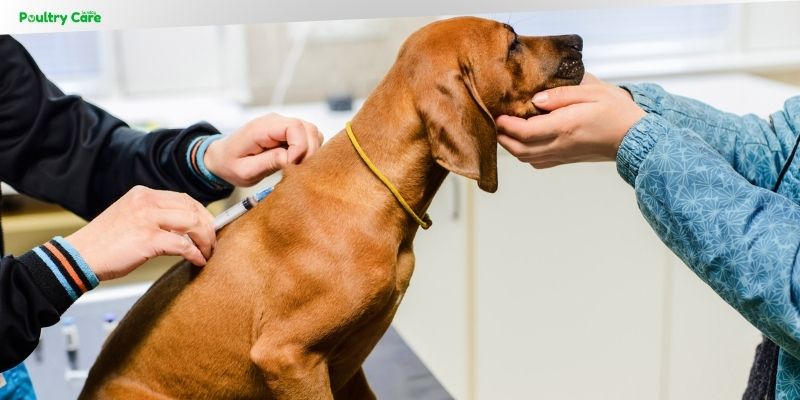
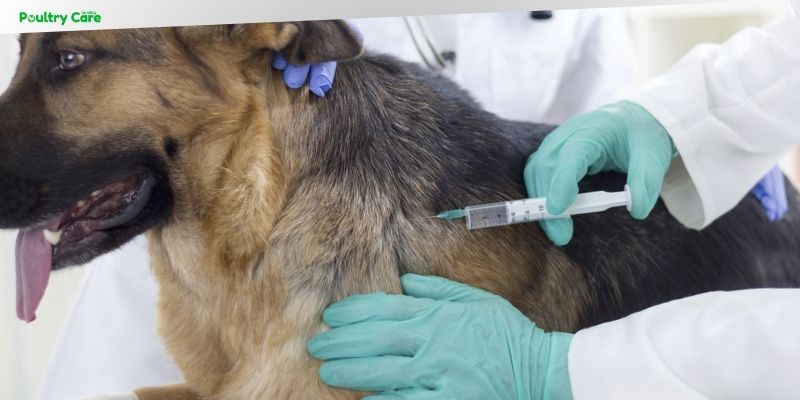
- Injectable vaccine: Given under the skin; it’s easier to handle and commonly used in veterinary clinics.
Each type can be useful depending on the dog’s age, health, and the clinic’s protocols. Some formulations include other respiratory components or combine bacterial and viral antigens.
Who should get the Bordetella vaccine?
Consider the Bordetella vaccine for dogs if your pet:
- Regularly attends dog daycare, boarding, grooming, or training classes.
- Visits dog parks or social events where contact is likely.
- Will be boarded or travel to places with many dogs.
- Lives with dogs that are frequently exposed to other dogs.
For low-contact pets, the vaccine may not be essential. Discuss your dog’s lifestyle and risk factors with your veterinarian to decide.
Vaccination schedule and timing
Common schedule points for the Bordetella vaccine for dogs:
- Puppies: Many clinics start at 6–8 weeks for intranasal or oral, and 8–12 weeks for injectable, with one or two initial doses depending on product.
- Adults: A single dose may be given for some products, with a booster at regular intervals.
- Boosters: Often given annually, or every 6 months in high-risk settings. Requirements vary by facility.
Timing matters: intranasal and oral vaccines can protect faster (often within 72 hours) than injectables. Plan vaccinations before boarding or group events.

Effectiveness and limitations
The Bordetella vaccine for dogs lowers risk and severity but is not perfect:
- Reduces symptoms and duration of illness.
- Decreases bacterial shedding and spread.
- May not fully prevent infection with mixed pathogens or different strains.
Expect variable efficacy: protection depends on vaccine type, timing, and exposure level. Vaccination complements good hygiene and facility infection control.

Side effects and safety
Most dogs tolerate the Bordetella vaccine for dogs well. Typical side effects are mild:
- Temporary sneezing or nasal discharge for intranasal forms.
- Low-grade fever or reduced appetite for 24 hours.
- Rare allergic reactions that require immediate care.
Dogs with fever, severe illness, or certain immune conditions may need delayed vaccination. Always tell your vet about prior vaccine reactions.
Costs, records, and kennel requirements
Costs vary by clinic and vaccine type. Expect to pay for:
- Vaccine dose
- Office visit and exam
- Booster visits as required
Many boarding and daycare facilities require proof of Bordetella vaccine for dogs within a set timeframe. Keep vaccination records accessible and confirm facility policies before booking.
Personal experience and practical tips
From my time in clinics and working with owners, I learned:
- Tip 1: Get the vaccine at least one week before boarding. Intranasal/oral may protect faster but allow a buffer.
- Tip 2: Choose the route based on your dog’s tolerance. Some dogs resist nose drops, making oral or injectable options better.
- Tip 3: Combine vaccination with basic prevention—clean gear, avoid coughing dogs, and ask facilities about their protocols.
I once saw an outbreak in a shelter where vaccinated dogs had just mild coughs, while unvaccinated dogs were sicker. That experience convinced me that vaccination plus good hygiene saves stress and vet visits.
Practical steps for owners
Follow this simple plan:
- Talk to your veterinarian about your dog’s lifestyle and risk.
- Decide on vaccine type and timing.
- Keep a digital photo of the vaccine record for facility checks.
- Monitor your dog for side effects after vaccination and report concerns promptly.
These steps keep your dog safer and help reduce outbreaks in the community.
PAA-style quick questions
Q: How soon does the Bordetella vaccine protect a dog?
A: Intranasal and oral forms can start protecting in 48–72 hours; injectable forms may take longer.
Q: Can vaccinated dogs still spread kennel cough?
A: Yes, but vaccination typically reduces how much they shed and how severe illness will be.
Q: Is one type of vaccine better than another?
A: No single type is best for all dogs; choice depends on speed of protection, dog tolerance, and facility rules.
Frequently Asked Questions of What Is Bordetella Vaccine For Dogs?
What is the Bordetella vaccine used for?
The vaccine is used to prevent or reduce severity of kennel cough caused primarily by Bordetella bronchiseptica. It lowers risk of outbreaks in group settings.
How often should dogs get the Bordetella vaccine?
Many facilities ask for annual boosters, while high-risk settings may ask for boosters every six months. Follow your veterinarian’s recommendation.
Can puppies get the Bordetella vaccine?
Yes. Puppies often receive intranasal or oral vaccines starting around 6–8 weeks, depending on product and clinic protocols.
Are there interactions with other vaccines?
Bordetella vaccine for dogs is commonly given alongside other vaccines, but timing may vary by clinic. Your vet will plan a safe schedule.
What if my dog had a reaction to a previous vaccine?
Tell your vet about any past reactions. They can choose a different formulation, delay vaccination, or take precautions during administration.
Conclusion
The Bordetella vaccine for dogs is a practical tool to reduce the chance and severity of kennel cough, especially for dogs that mix with others. It is safe for most pets, comes in several forms, and works best when timed before exposure. Use vaccination alongside good hygiene and clear communication with boarding or daycare facilities to protect your dog and community. Take action today: talk with your veterinarian about whether the Bordetella vaccine for dogs is right for your pet, update records, and plan ahead for any group activities.