
Yes — many frozen foods are safe for dogs when selected and thawed correctly.
I’ve researched pet nutrition and cared for dogs for years, and I’ll walk you through whether Can Dogs Eat Frozen Food? is a good choice for your pet. This guide explains types of frozen food, safety steps, and practical tips so you can feed confidently and keep your dog healthy.

Understanding frozen food for dogs
Frozen food covers a wide range of items. It includes commercial frozen dog meals, frozen raw diets, frozen cooked meats, fruits, and vegetables. When pet owners ask Can Dogs Eat Frozen Food?, they usually want to know about safety and nutrition.
Frozen food can lock in nutrients when processed right. It can also reduce waste and make meal prep easier. The key is choosing the right products and following safe thawing and handling steps.

Are frozen foods safe? Benefits and risks
Frozen food can be safe and nutritious. Benefits include preserved nutrients, convenience, and longer shelf life. Many commercial frozen dog foods are balanced and tested for safety.
There are risks too. Raw frozen diets can carry bacteria if not handled right. Fatty or seasoned human frozen meals can harm dogs. Always check ingredients and follow safe thawing practices.

Which frozen foods are safe and which to avoid
Safe frozen options
- Commercial frozen dog food that lists complete nutrition on the label.
- Plain frozen cooked meats such as chicken, turkey, or beef with no added salt or spices.
- Frozen plain vegetables like peas, green beans, and steamed carrots.
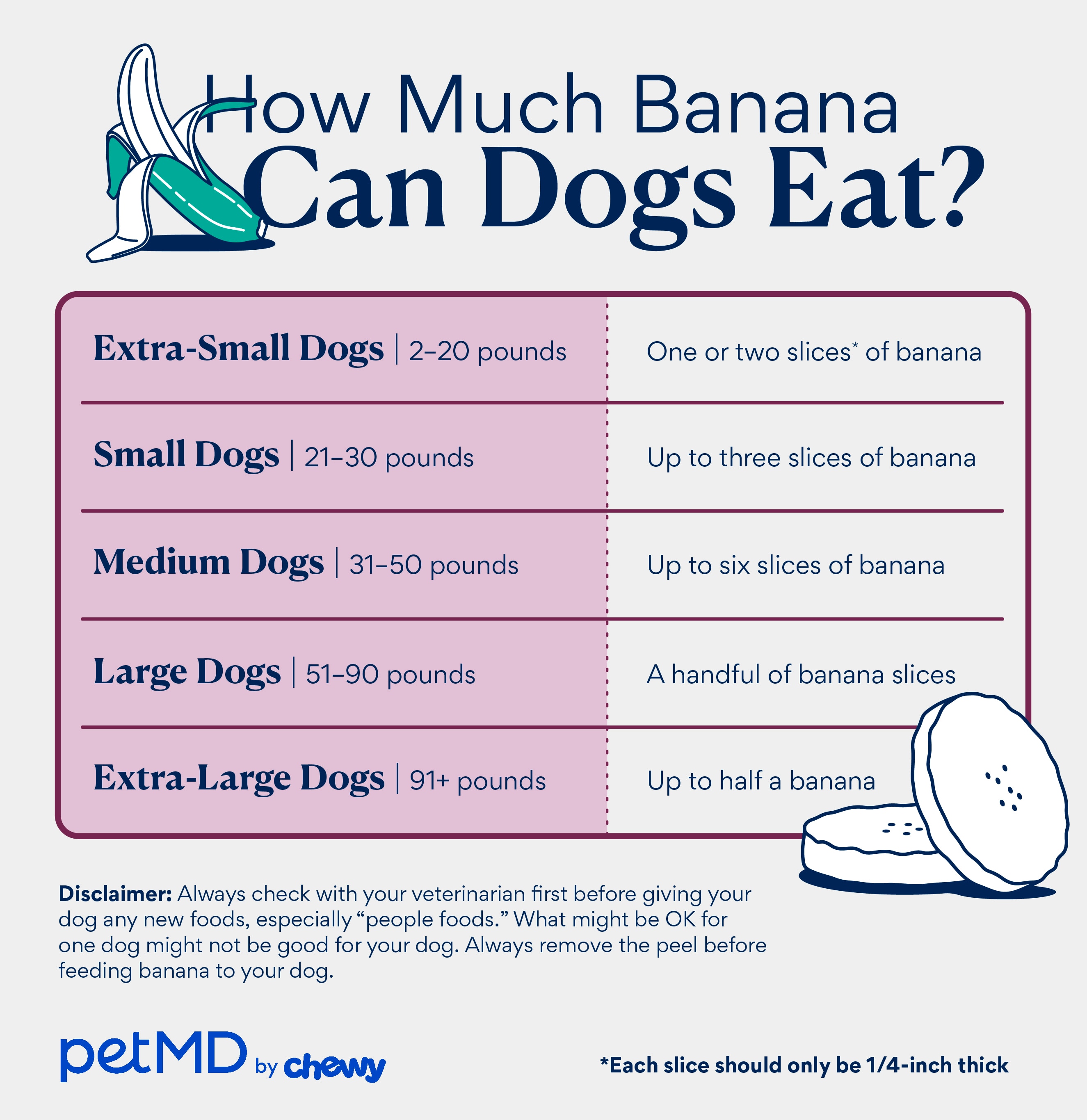
- Frozen plain fruits such as blueberries and sliced bananas in small amounts.
Frozen foods to avoid
- Frozen seasoned meals for humans with onions, garlic, or excessive salt.
- Grapes and raisins, even if frozen, are toxic to dogs.
- Chocolate-containing frozen treats.
- Cooked bones that were frozen and thawed; they can splinter when chewed.
When people ask Can Dogs Eat Frozen Food? they want clarity on safety. The rule I follow: if you wouldn’t feed it fresh, don’t feed it frozen.
How to thaw, prepare, and serve frozen food to dogs
Safe thawing methods
- Thaw in the refrigerator overnight for 12 to 24 hours.
- Use cold running water for quicker thawing, changing water every 30 minutes.
- Avoid thawing at room temperature for long periods.
Serving tips
- Check temperature with a finger; it should be lukewarm or cool, not hot.
- Mix thawed frozen food with your dog’s regular food during transition days.
- Portion control: follow calorie guidance on packaging or from your vet.
If you wonder Can Dogs Eat Frozen Food? right away, thaw correctly and serve simply to avoid stomach upset.

Storage, handling, and food safety tips
Store frozen dog food in a sealed container or original packaging. Keep the freezer at 0°F (-18°C) or below. Label homemade frozen meals with date and contents.
Handling tips
- Wash hands and surfaces after preparing raw frozen items.
- Never refreeze thawed raw meat more than once.
- Discard thawed food left at room temperature for more than two hours.
Good storage and handling reduce risks when feeding frozen items. Ask yourself Can Dogs Eat Frozen Food? with confidence if these steps are followed.

Nutritional considerations and balance
Not all frozen foods are complete diets. Some require supplements to meet daily needs. Commercial frozen dog food often lists AAFCO or similar adequacy statements to show balance.
Check calories and macros
- Compare protein and fat levels to your dog’s needs.
- Watch for added sugar in frozen fruits or treats.
- Adjust other meals to maintain a balanced daily intake.
If you feed a frozen raw diet, consult a vet or nutritionist. They can confirm whether your dog gets the right vitamins and minerals. When asking Can Dogs Eat Frozen Food?, think about the whole diet, not just one meal.

Personal experience and practical tips
I switched my older Labrador to a mix of commercial frozen meals and fresh vegetables for a few months. He did well when I thawed meals in the fridge and monitored portion sizes. One lesson: never let thawed raw meat sit on the counter.
Practical tips I use
- Rotate frozen proteins to avoid boredom and allergies.
- Keep small frozen treats like blueberries for training.
- If trying a new frozen food, introduce it over three to five days.
From experience, clear labeling and steady portion control make frozen feeding easier and safer. Can Dogs Eat Frozen Food? — yes, when done with care.

Common concerns and myths
Frozen food causes stomach upset — Myth
- Dogs can eat frozen food if it’s thawed properly. Sudden diet changes, not frozen itself, usually cause upset.
Frozen food lacks nutrients — Myth
- Properly processed frozen food can preserve nutrients well. The concern is more about balanced formulation than freezing.
Frozen bones are safe — Myth
- Frozen bones can still splinter and harm your dog. Avoid them.
When people ask Can Dogs Eat Frozen Food?, they’re often worried about myths. Follow facts and safe practices instead.
Frequently Asked Questions of Can Dogs Eat Frozen Food?
Can Dogs Eat Frozen Food? Is frozen raw meat okay for dogs?
Frozen raw meat can be okay if it comes from a reputable source and you handle it safely. Talk to your vet about the risks and how to store and thaw raw meat properly.
How should I thaw frozen food for my dog?
Thaw in the refrigerator overnight or use cold water for faster thawing. Avoid leaving food at room temperature to prevent bacterial growth.
Can frozen fruits be a healthy treat for dogs?
Yes, plain frozen fruits like blueberries or banana slices can be healthy in small amounts. Avoid fruits that are toxic to dogs, like grapes and raisins.
Is it safe to give my dog frozen vegetables?
Plain frozen vegetables are generally safe and can be a good low-calorie snack. Serve them plain, cooked or thawed, and avoid added seasonings.
How long can frozen dog food stay in the freezer?
Commercial frozen dog food often lasts several months, depending on the brand; homemade meals are best used within three months. Always follow package guidance and date homemade portions.
Conclusion
Frozen food can be a safe, nutritious, and convenient option for dogs when you choose the right products and follow safe thawing and handling practices. Balance matters — ensure meals fit your dog’s calorie and nutrient needs, and consult a vet for major diet changes. Start small, label meals, and keep hygiene strict to protect your pet.
Try a simple trial: thaw one frozen meal in the fridge, serve a small portion, and watch how your dog responds. If you found this helpful, share your experience or questions below and consider subscribing for more pet nutrition tips.