Last Updated on September 23, 2026
Yes — dog dental powder can help reduce plaque and freshen breath when used correctly.
I’ve worked with dogs for years and tested several oral-care products, so I know what to look for. This article breaks down how dog dental powder works, what the science says, real-world results, safe use, and how to pick a reliable product. Read on and you’ll understand whether dog dental powder is a practical tool for your pet’s oral health and how to get the best results.

How dog dental powder works
Dog dental powder is a dry supplement you sprinkle on food or apply to gums. Most formulas include enzymes, baking soda, clay, seaweed, plant extracts, and natural antimicrobials. These ingredients aim to:
- Reduce bacteria that cause bad breath and plaque
- Neutralize acids that erode enamel
- Help loosen biofilm so it is easier to remove with chewing or brushing
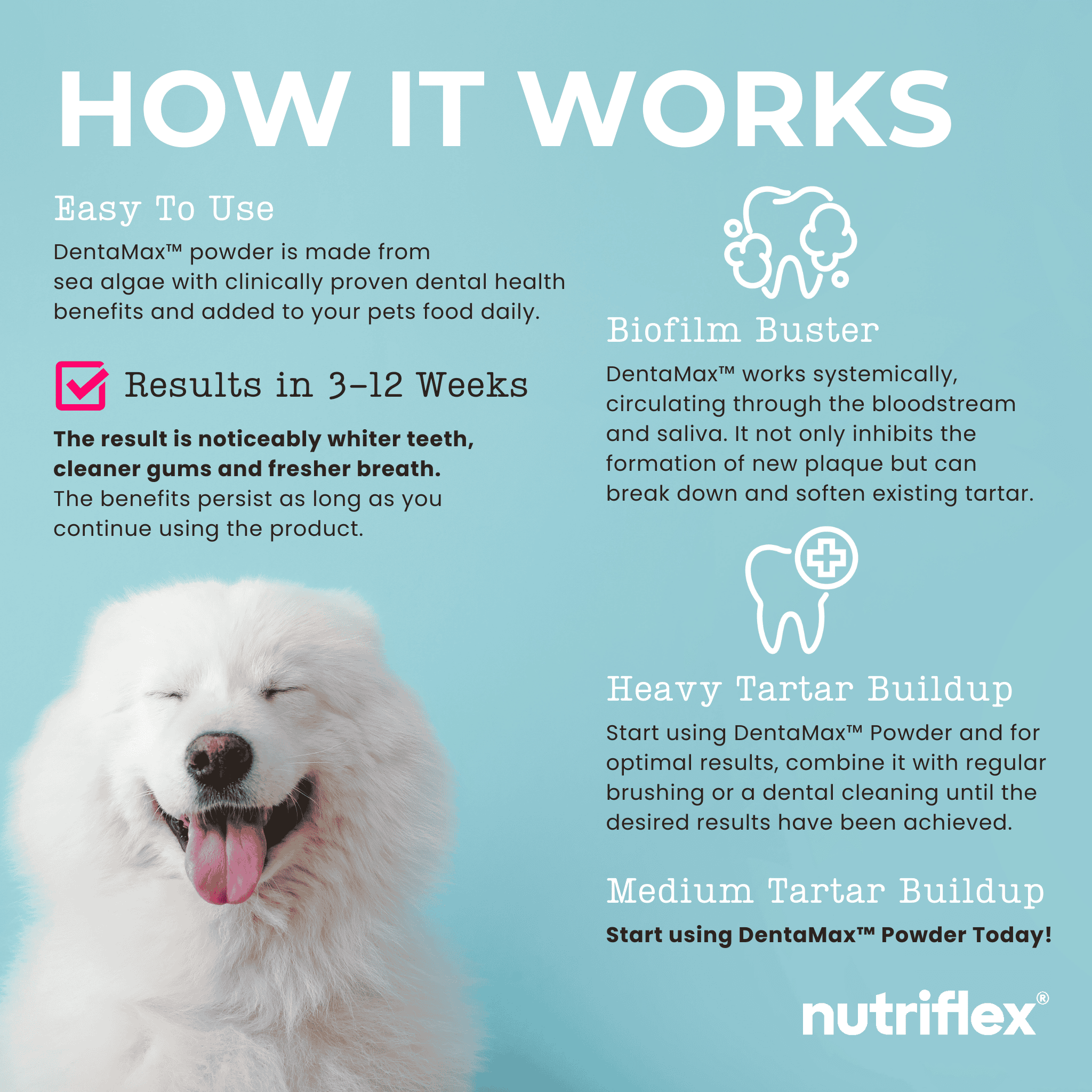
The powder often works by changing the mouth environment. Enzymes break down food residues. Antimicrobials limit bacterial growth. Abrasive particles can gently scrub teeth when a dog chews. Results vary by formula and frequency of use.

Benefits of using dog dental powder
Dog dental powder can be a simple, gentle way to support oral care. Common benefits include:
- Improved breath within days for many dogs
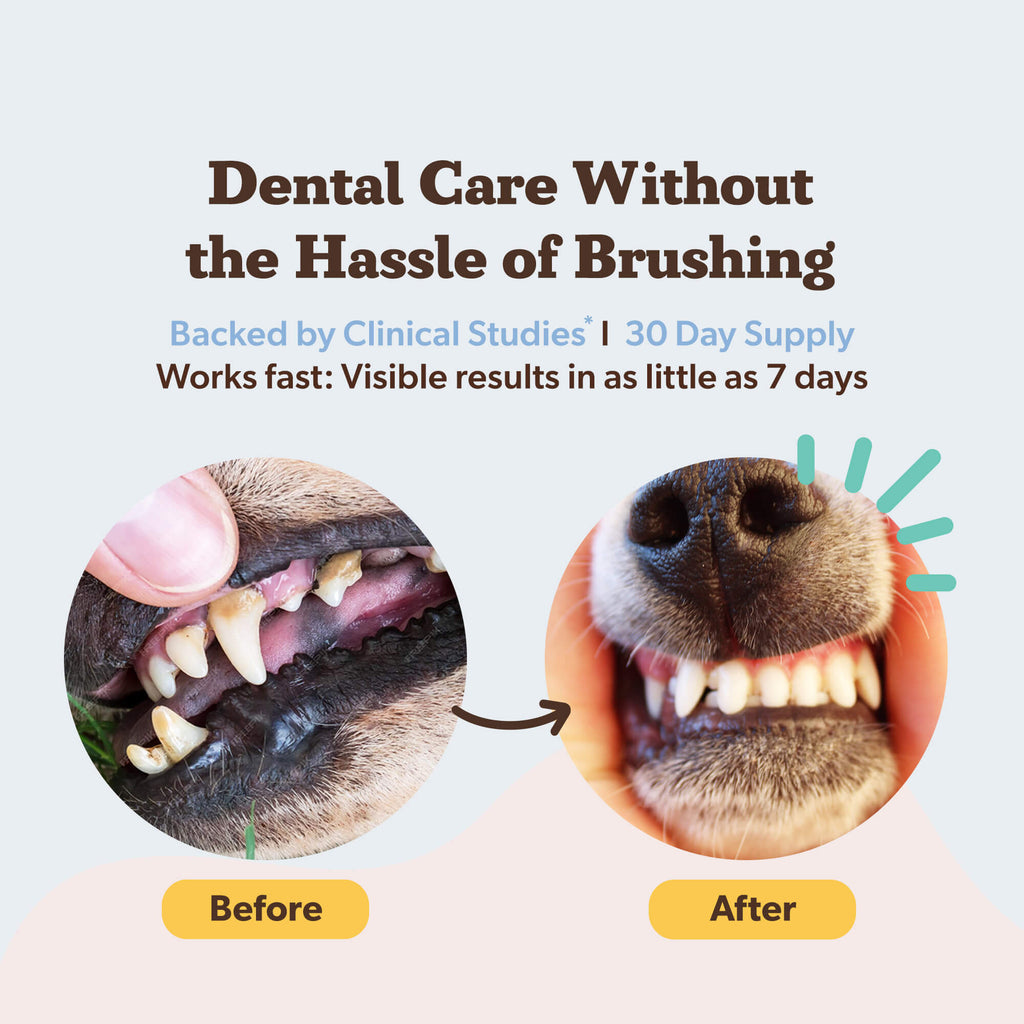
- Reduced plaque buildup over weeks when used consistently
- Easy to add to meals if a dog resists brushing
- Low cost compared with professional cleanings if used preventively
For dogs that dislike toothbrushing, dental powder offers an alternate daily habit. It’s not a magic cure, but as part of a routine it can reduce the pace of dental decline and help maintain fresher breath.

Limitations and risks
Dog dental powder is not a substitute for brushing or veterinary care. Key limitations and risks:
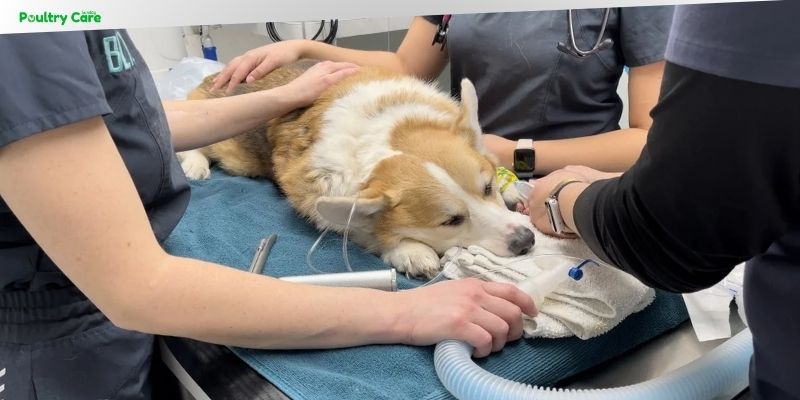
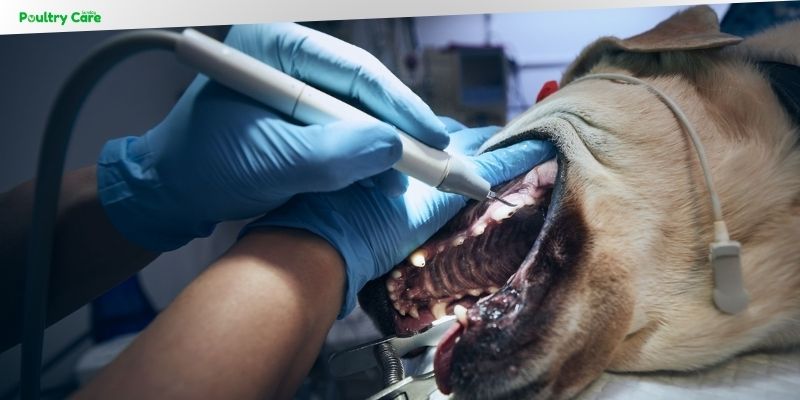
- It cannot remove heavy tartar once mineralized — only a vet cleaning will do that.
- Some powders contain sodium bicarbonate or salt; high doses could be unsafe for dogs with certain conditions.
- Allergies or GI upset are possible with herbal formulas or additives.
- Overpromising marketing is common; not all powders have proven active ingredients.
Be cautious with homemade recipes. Too much baking soda or certain essential oils can harm dogs. Always read labels and consult your vet if your dog has health issues.
How to choose and use dog dental powder
Choosing the right product and using it correctly makes a big difference.
What to look for on the label:
- Clear ingredient list with known oral-care agents (enzymes, chlorophyll, safe antimicrobials)
- No toxic essential oils or high-sodium formulas
- Manufacturer transparency on testing and sourcing
- Positive reviews from verified buyers and vets
How to use:
- Start with the recommended daily dose on the package.
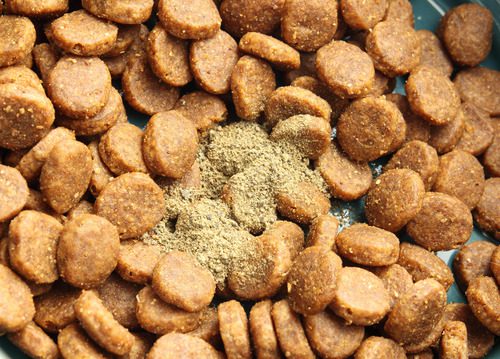
- Mix into wet food or lightly moisten dry kibble so powder clings.
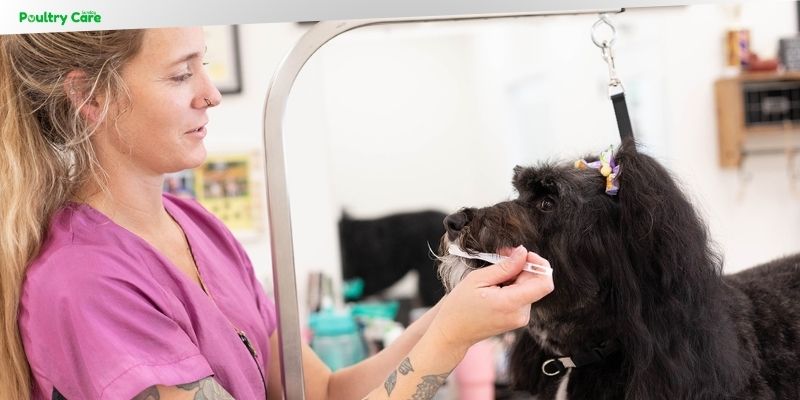
- For dogs that tolerate it, rub a pinch onto teeth and gums with a finger or soft gauze.
- Use consistently for 4–12 weeks to evaluate changes.
If breath or plaque does not improve, or if you see redness, swelling, or loose teeth, stop use and see your vet.
Evidence and studies
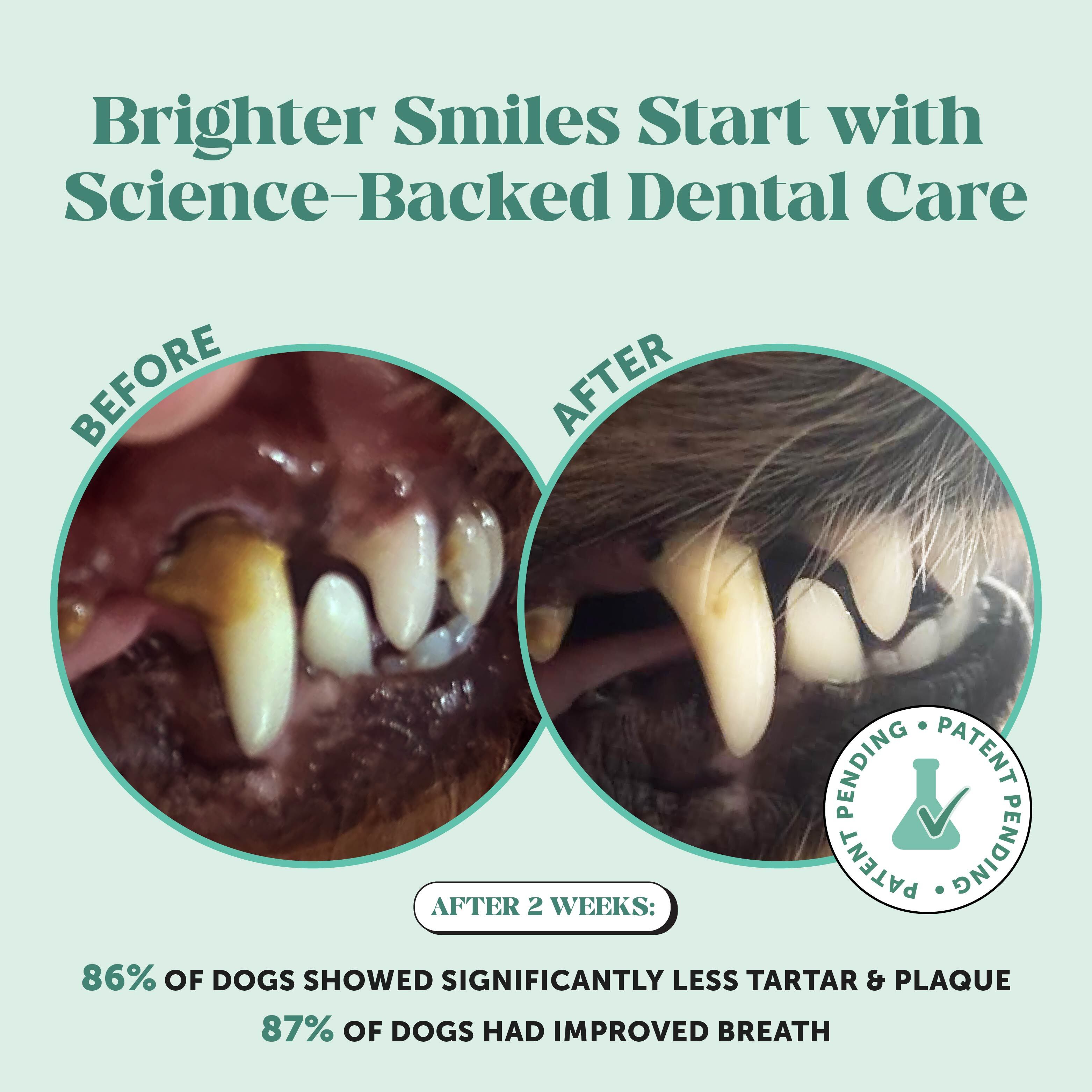
Clinical support for dog dental powder varies by ingredient and product. Controlled studies show enzyme-containing oral gels and chews can reduce plaque and gingivitis. Other ingredients, such as certain seaweed extracts, have emerging evidence for lowering oral bacteria.
What the research tells us:
- Enzymes and mechanical abrasion can lower plaque when applied consistently.
- Some natural antimicrobials reduce bacterial counts in short-term studies.
- Long-term effects and head-to-head comparisons between powders and brushing are limited.
This means dog dental powder can be evidence-informed but should be viewed as one tool among several. More rigorous, product-specific studies are needed to confirm long-term prevention of periodontal disease.
My experience and practical lessons
I’ve used dog dental powder on multiple dogs over several years. Here’s what I learned:
- Start slow: introduce the powder in a small amount of food so the dog accepts it.
- Consistency matters: daily use produced noticeable breath improvement in 2–3 weeks.
- Combine with chew toys or dental chews to boost mechanical cleaning.
- Watch for digestive changes; one dog developed loose stool from a new herbal formula and needed a change.
A mistake I made early on was over-trusting marketing claims. I now compare ingredient lists and test small packets before committing to a jar. For many pet owners, dental powder became a helpful supplement to brushing and vet checks — not a replacement.
Practical tips to get the best results
Small habits improve outcomes quickly. Try these practical tips:
- Pair powder with a dental chew after meals to add scrubbing action.
- Use a soft finger brush once a week to help remove loosened plaque.
- Keep a photo log of your dog’s teeth every month to track progress.
- Rotate products if a formula stops working or causes mild GI upset.
- Schedule regular dental exams and professional cleanings as recommended.
These steps make dog dental powder more effective and help you spot problems early.
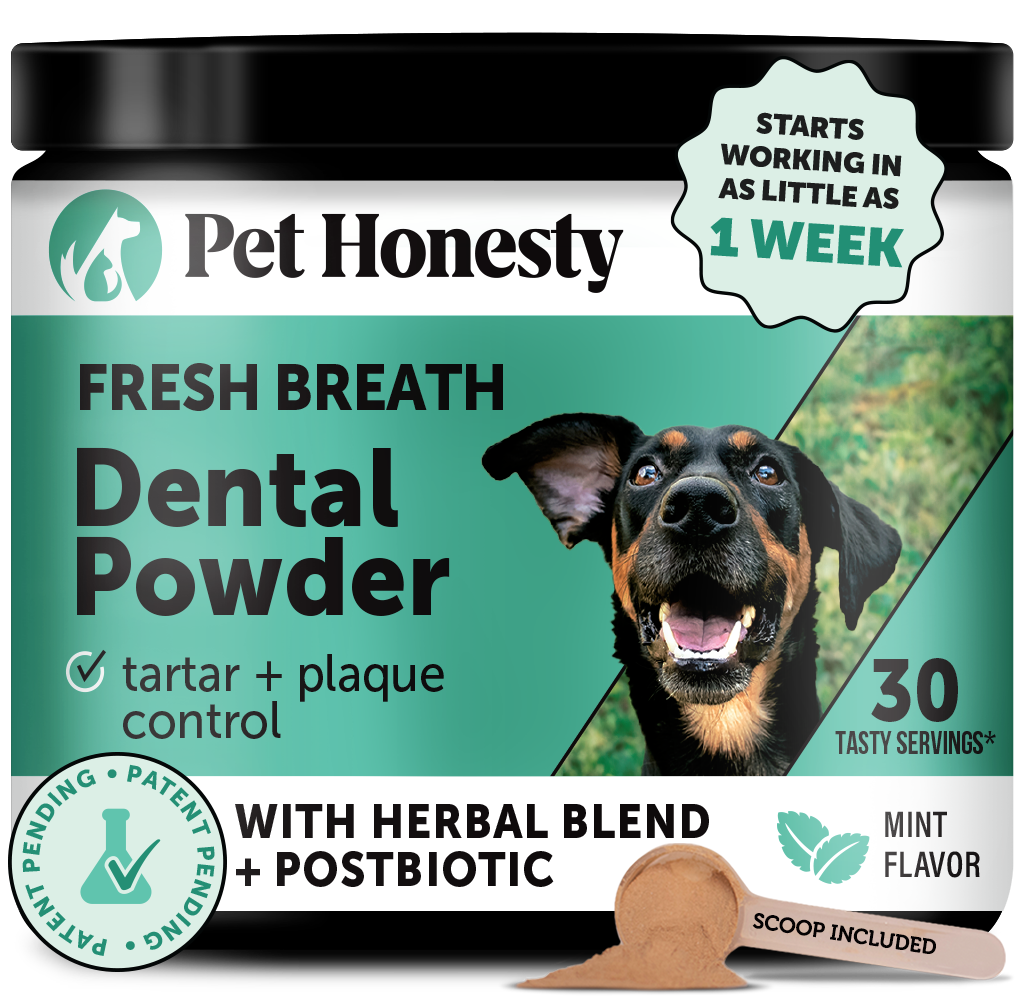
Frequently Asked Questions of Does Dog Dental Powder Work?
Does dog dental powder replace toothbrushing?
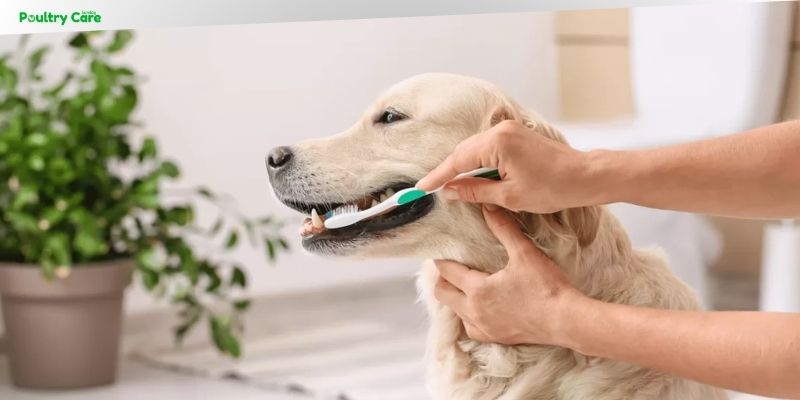
Dog dental powder helps but does not replace toothbrushing. Brushing reaches the tooth surface more directly and is still the gold standard for daily care.
How long until I see results from dog dental powder?
Many owners notice fresher breath in 1–3 weeks and reduced plaque signs in 4–12 weeks with consistent use. Individual results depend on dog age, diet, and product quality.
Is dog dental powder safe for all dogs?
Most commercial powders are safe for healthy dogs when used as directed, but dogs with kidney disease, sodium sensitivities, or allergies may need vet guidance. Always check ingredients and consult your vet for medical conditions.
Can puppies use dog dental powder?
Yes, many formulas are safe for puppies, but use a puppy-specific dose and pick gentle ingredients. Check with your vet before starting any oral supplement for young dogs.
Will dog dental powder remove tartar?
No, dental powder cannot remove hardened tartar. Only a veterinary dental cleaning can remove mineralized tartar and address underlying gum disease.
How should I store dog dental powder?
Store in a cool, dry place with the lid tight to preserve enzymes and volatile compounds. Follow manufacturer storage instructions for best potency.
Conclusion
Dog dental powder can be a useful, low-friction tool to support oral health, freshen breath, and slow plaque buildup when used correctly and consistently. It works best as part of a complete routine that includes proper diet, dental chews, occasional brushing, and regular veterinary checkups. Try a trusted product, monitor your dog’s response, and pair powder use with simple habits like chews and monthly photos to see real changes. If you found this helpful, try a small trial pack, share your results, or leave a comment so others can learn from your experience.