Last Updated on September 23, 2026
Most dogs need a professional dental cleaning every 6 to 12 months, depending on health and at-home care.
I’ve worked with pets and vets for years, so I know why owners ask "How Often Dog Dental Cleaning?". This guide explains real-world timing, signs, and steps to keep your dog’s mouth healthy. Read on for clear, practical advice you can use at home and in conversations with your vet.
Why dental care matters for dogs
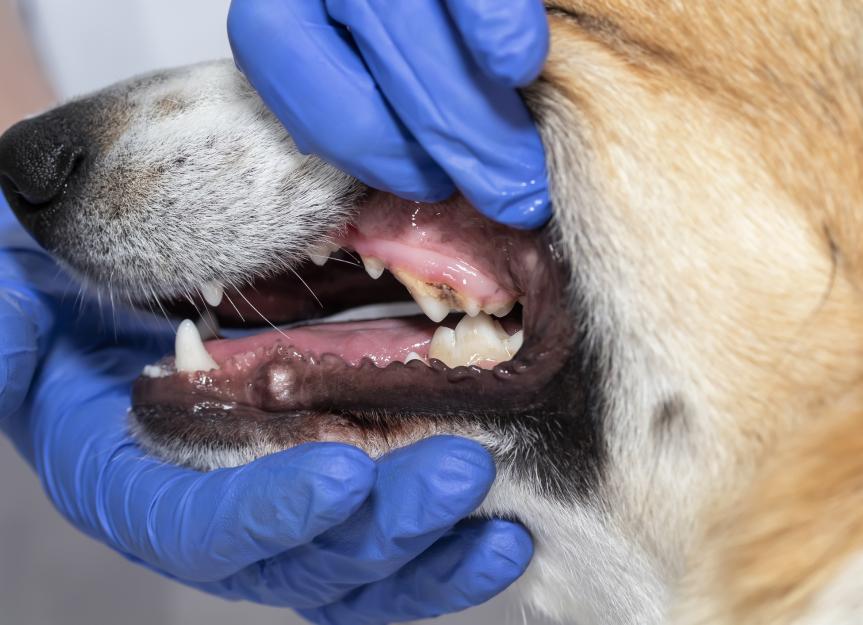
Good dental care protects more than teeth. Plaque and tartar lead to bad breath, gum disease, pain, and tooth loss. Left untreated, oral bacteria can reach the bloodstream and affect the heart, liver, and kidneys.
Healthy mouths help dogs eat, play, and enjoy life. Regular cleanings reduce pain and expensive emergency treatments later. I’ve seen anxious dogs perk up after a professional cleaning and simple at-home care.
How Often Dog Dental Cleaning? — Age, breed, and health factors
When people ask "How Often Dog Dental Cleaning?", the right answer depends on the dog. Puppies often need no professional cleanings until adult teeth are in. Adult dogs commonly need cleaning every 6 to 12 months. Senior dogs or those with disease may need cleaning every 3 to 6 months.
Factors that change frequency:
- Age: Older dogs tend to build tartar faster.
- Breed: Small breeds and brachycephalic dogs often need more frequent cleanings.
- Diet: Wet food and soft treats increase plaque build-up.
- Genetics: Some dogs are just prone to dental disease.
- Health: Diabetes or immune issues speed dental decline.
Ask your veterinarian for a personalized schedule. In practice, I schedule a dental check at annual exams and adjust from there.
Signs your dog needs dental cleaning sooner
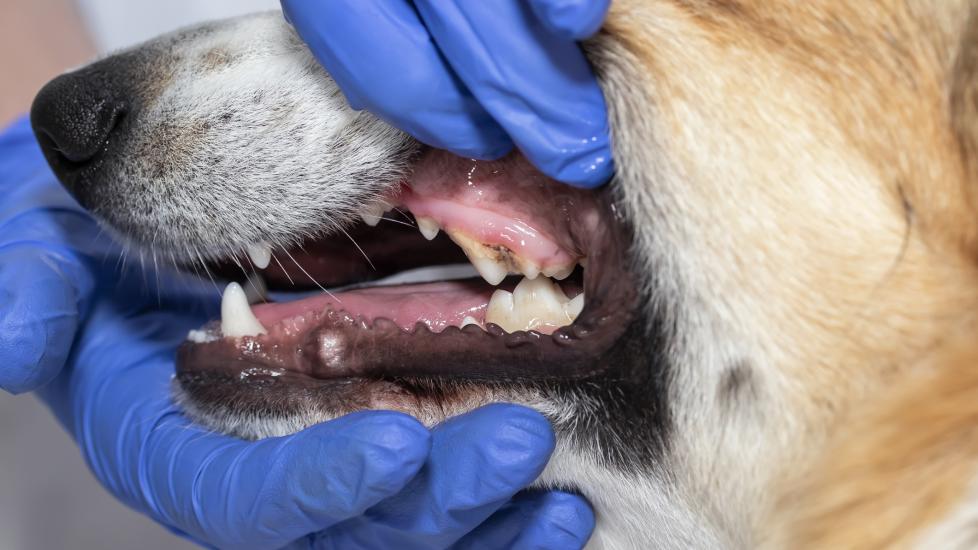
Watch for early warning signs so you don’t wait too long. Common signs include:
- Persistent bad breath that won’t improve
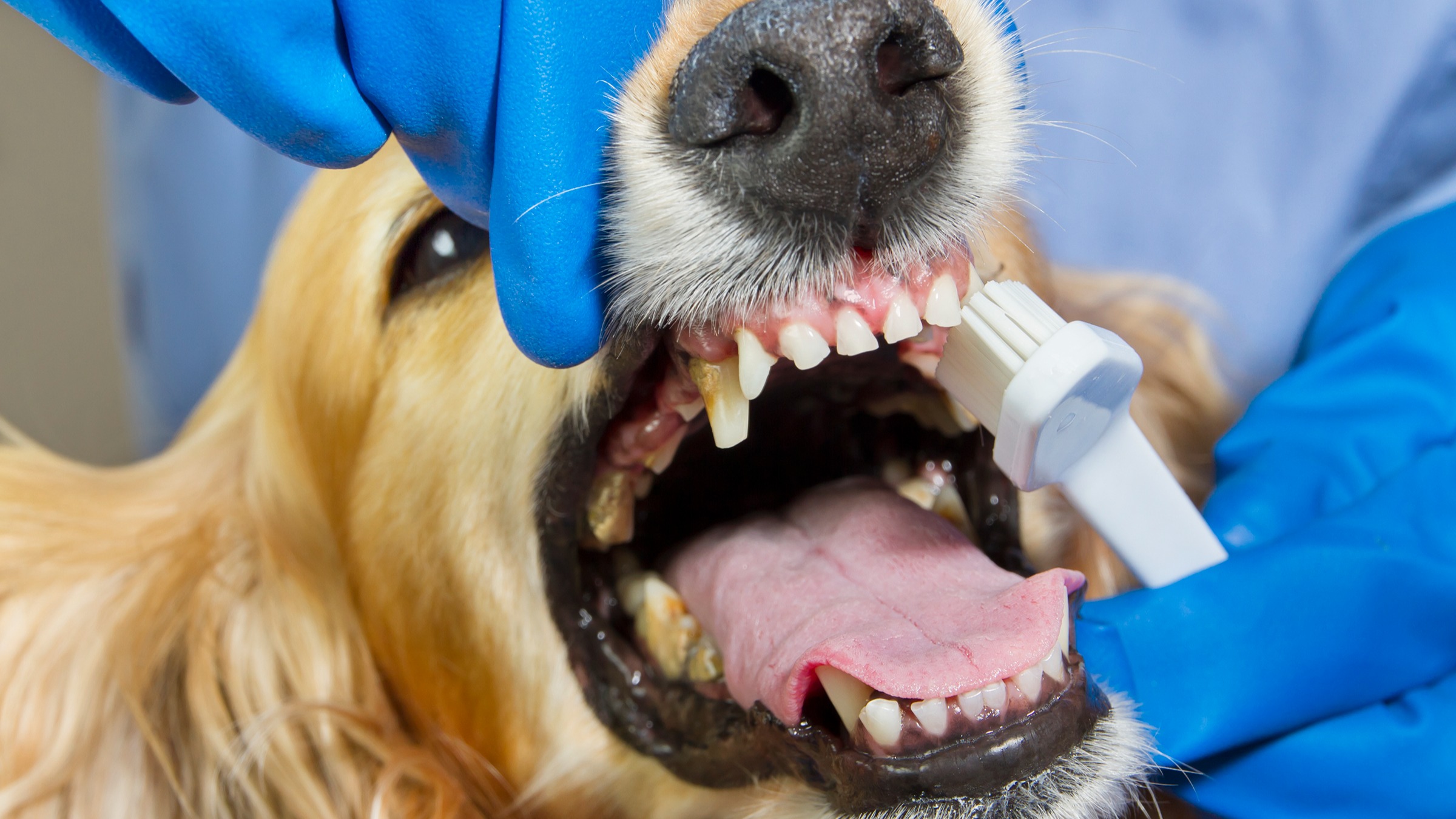
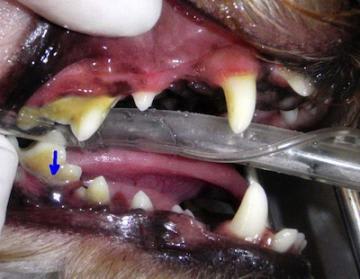
- Yellow or brown tartar on teeth
- Red, swollen, or bleeding gums
- Difficulty chewing or dropping food
- Pawing at the mouth or facial swelling
If you notice any of these, call your vet. Early cleaning prevents pain and more invasive procedures later.

What happens during a professional cleaning
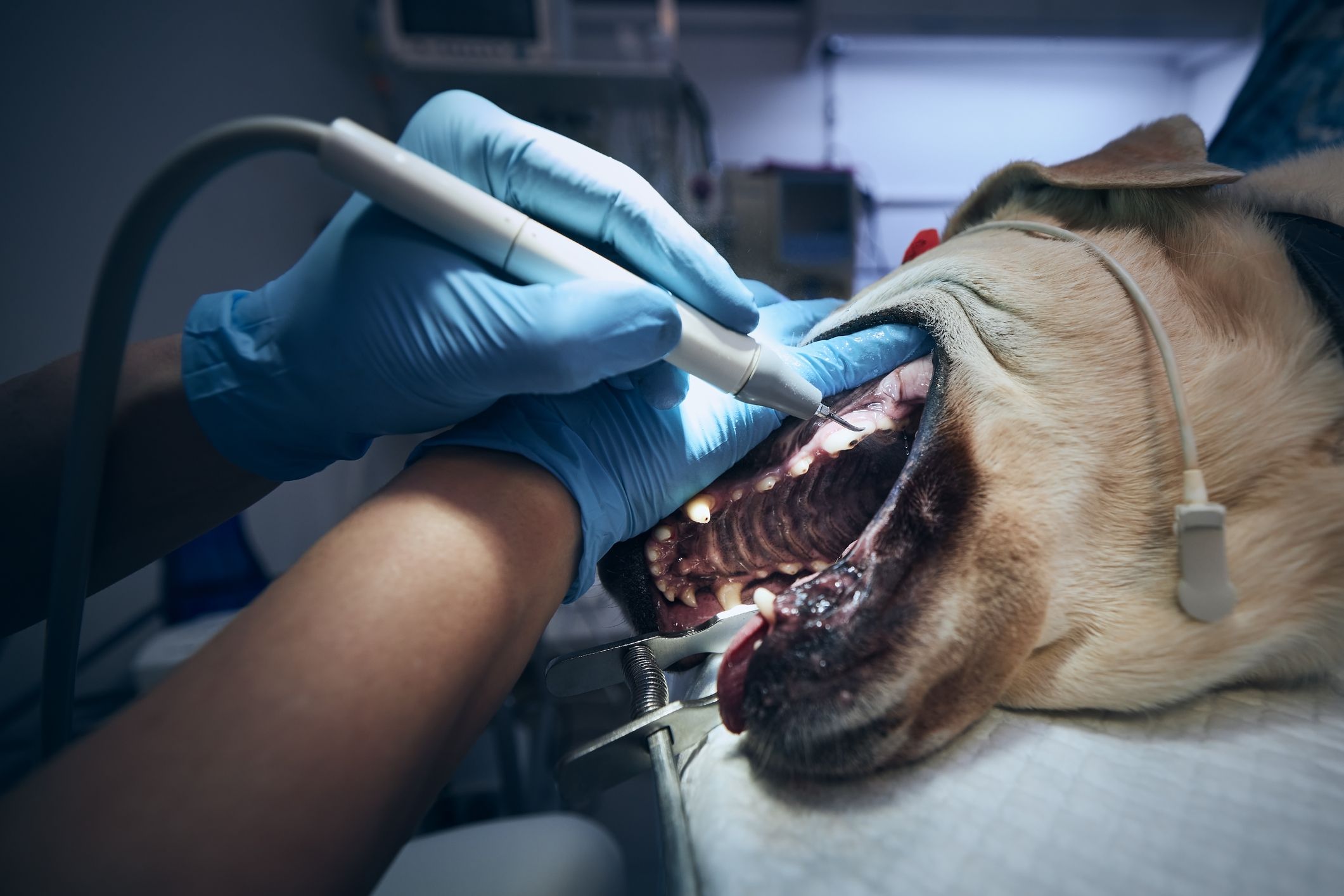
A proper dental cleaning is more than scraping visible tartar. Typical steps:
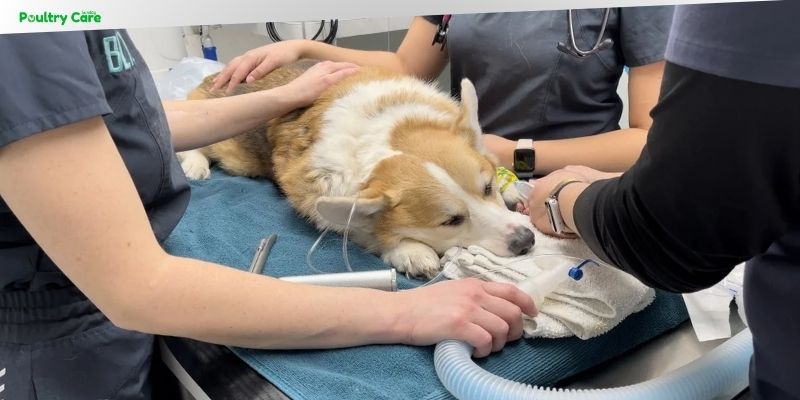
- Pre-anesthetic exam and blood work to ensure safe anesthesia.
- General anesthesia so teeth and gums are cleaned under the gumline.
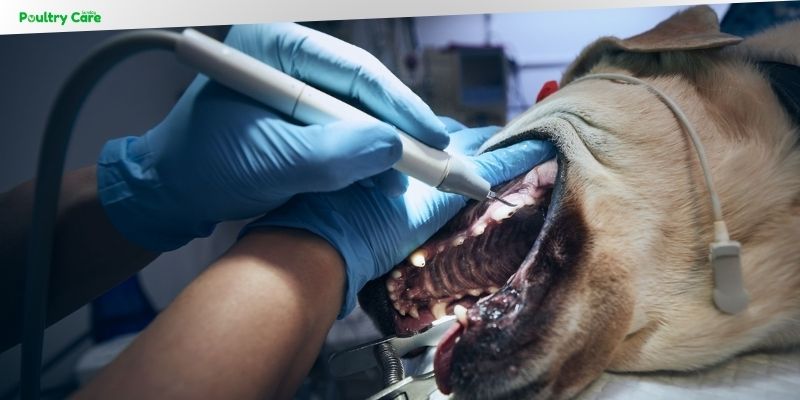
- Ultrasonic scaling to remove plaque and tartar.
- Hand scaling and polishing to smooth enamel.
- Full oral exam and dental X-rays to check roots and bone.
- Tooth extraction or other treatment if needed.
I’ve assisted during many cleanings. Dental X-rays are the moment many hidden issues are found. That makes the procedure worth doing right.

At-home dental care to reduce cleaning frequency
Good home care lowers how often a dog needs professional cleaning. Effective steps include:
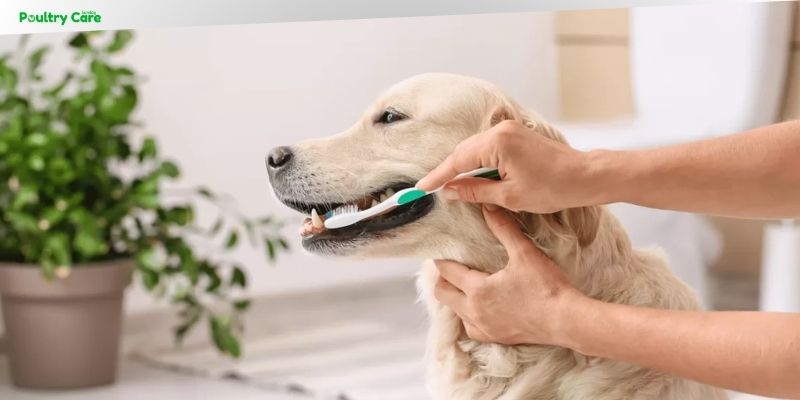
- Daily brushing with dog-safe toothpaste. Short sessions work.
- Dental chews that remove plaque when used properly.
- Water additives that reduce bacteria.
- Dental diets formulated to scrape the tooth surface.
- Routine checks of mouth and breath at least weekly.
Even with the best at-home care, some dogs still need regular cleanings. Think of home care as maintenance between professional visits.
 recovery from dental cleaning”
style=”max-width: 100%; height: auto; border: 2px solid black; border-radius: 10px; display: block; margin: 0 auto;”
loading=”lazy”
/>
Cost, risks, and recovery from dental cleaning
Costs vary by region and the complexity of the procedure. Expect a range depending on exams, X-rays, extractions, and anesthesia. Dental cleanings under anesthesia carry risks like any anesthetic event. Vet clinics mitigate risks with pre-op bloodwork and monitoring.
Typical recovery is quick. Dogs may be groggy for 12–24 hours. If teeth were extracted, soft food and pain meds for a few days help recovery.

How to choose the right schedule for your dog
Decide "How Often Dog Dental Cleaning?" by combining these steps:
- Ask your vet for a baseline exam and suggested interval.
- Track home care and any signs of disease.
- Repeat dental X-rays every 1–2 years for at-risk dogs.
- Adjust frequency after each professional cleaning based on findings.
From my experience, creating a written dental calendar helps. Note brushing days, chew use, and scheduled vet cleanings.
Personal experience, tips, and mistakes to avoid
I once cared for a small terrier that had never had teeth brushed. Tartar buildup led to multiple extractions. Lesson learned: start early and be consistent.
Simple tips that helped clients:
- Start brushing when pups are young to form a habit.
- Use finger brushes or gauze for nervous dogs.
- Reward every short session to build positive association.
- Don’t rely only on dental treats; they help but don’t replace brushing.
Common mistakes:
- Waiting for obvious signs before acting.
- Skipping pre-anesthetic bloodwork to save money.
- Using human toothpaste that can upset dogs.
Frequently Asked Questions of How Often Dog Dental Cleaning?
How often should an adult dog get a dental cleaning?
Most adult dogs benefit from a professional dental cleaning every 6 to 12 months, but your vet will advise based on mouth health.
Can I clean my dog’s teeth at home instead of professional cleanings?
Home care helps a lot but can’t fully replace the deep cleaning and X-rays done under anesthesia. Combine both for best results.
At what age should puppies start dental cleanings?
Puppies usually don’t need professional cleanings until adult teeth erupt. Start home brushing early and schedule the first vet dental check around one year.
Are dental X-rays necessary for dog cleanings?
Yes. Dental X-rays reveal root or bone disease that can’t be seen during a visual exam. They often change treatment plans.
Is anesthesia safe for dog dental cleanings?
Anesthesia has risks, but modern monitoring and pre-op testing make it routine and generally safe for most dogs.
How do I reduce my dog’s dental cleaning frequency?
Daily brushing, dental chews, and a vet-approved dental diet lower plaque build-up and may lengthen the interval between professional cleanings.
Conclusion
Regular dental care keeps dogs comfortable and prevents serious disease. Decide how often dog dental cleaning should happen by combining vet advice, your dog’s breed and age, and your at-home routine. Start small, stay consistent, and make dental health part of your dog’s life. Schedule a dental check with your vet, begin daily brushing, and share your progress or questions below.