Last Updated on September 23, 2026
Most dogs do well on roughly 2–4% of their body weight daily, adjusted for age and activity.
I’ve fed and cared for many dogs over the years, from tiny terriers to large rescue mixes. This guide explains how much food per day for a dog in clear steps. You’ll learn simple calculations, real-world examples, and practical tips to feed your dog the right amount. I combine hands-on experience with evidence-based formulas so you can make confident feeding choices for your dog.
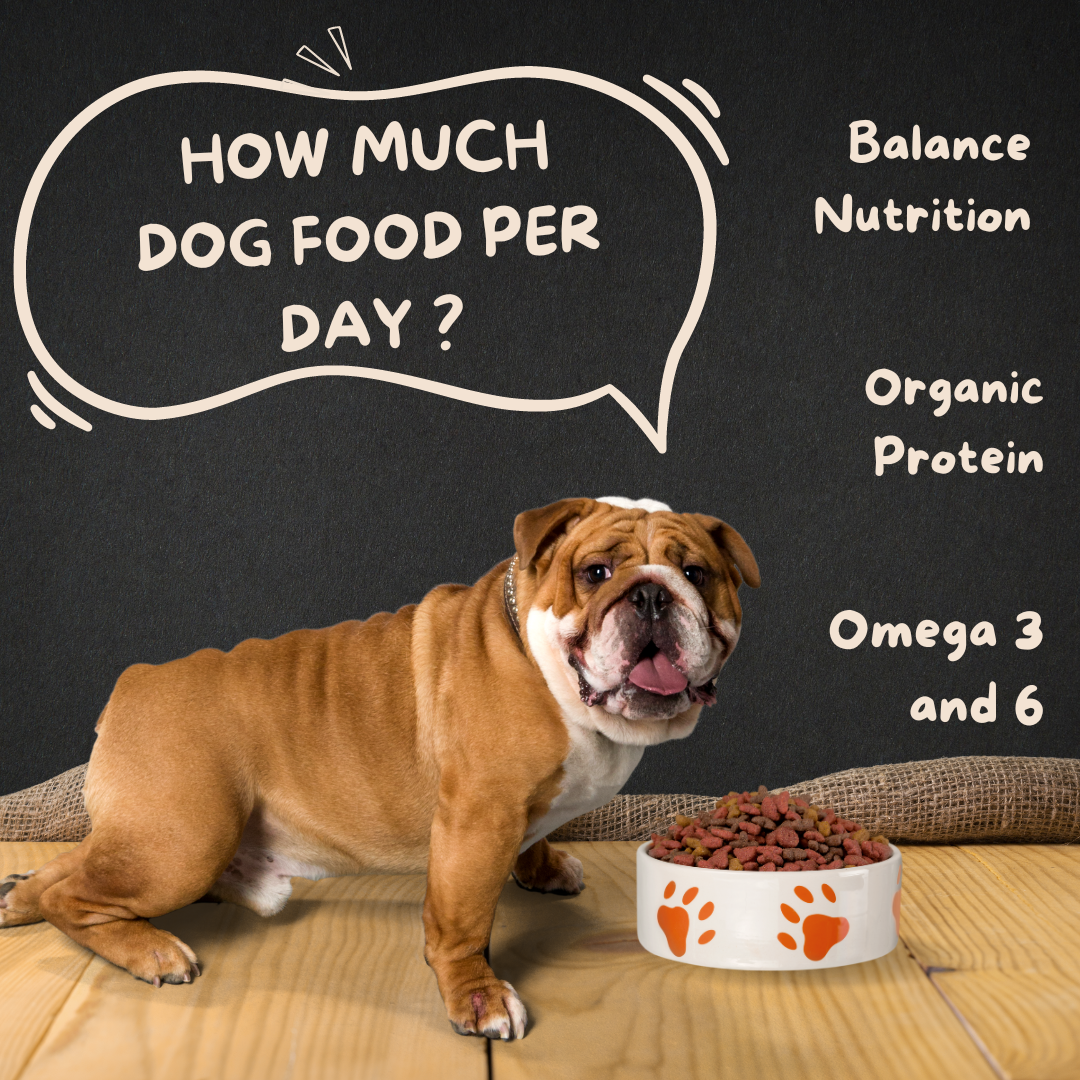
How Much Food Per Day For A Dog? — Basic Principles
Dogs need food based on body size, age, activity, health, and the food’s calorie content. The phrase "How Much Food Per Day For A Dog?" depends less on cups and more on calories per day.
Key principles:
- Feed to meet calorie needs rather than fixed cup amounts.
- Puppies, pregnant dogs, and working dogs need more calories per pound.
- Overfeeding causes weight gain. Underfeeding causes weakness and poor health.
I learned early that eyeballing portions leads to weight creep. A scale, a measuring cup, and a short formula keep portions sane and steady. Track weight and body condition every few weeks to adjust amounts.
Calculate How Much Food Per Day For A Dog?
To estimate how much food per day for a dog, use calorie needs. A simple start is:
- Convert weight to kilograms.
- Calculate Resting Energy Requirement (RER) = 70 × (weight in kg)^0.75.
- Multiply RER by a factor for activity to get Maintenance Energy Requirement (MER).
Common MER multipliers:
- Neutered adult pet dogs: 1.2 to 1.6 × RER.
- Intact adults and lightly active dogs: 1.6 to 2.0 × RER.
- Active or working dogs: 2.0 to 5.0 × RER.
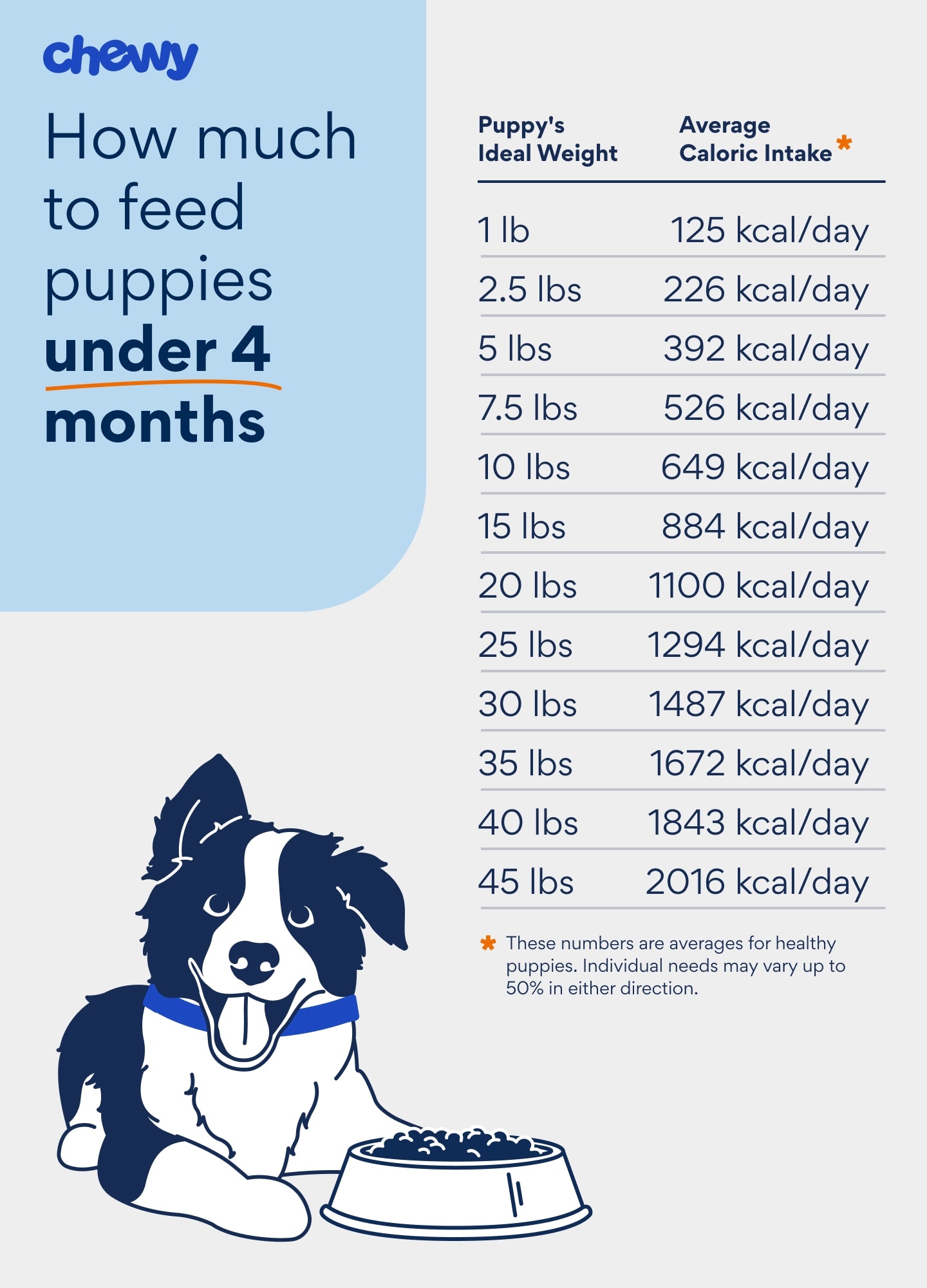
- Puppies: 2.0 to 3.0 × RER (varies with age).
Example:
- 20 lb (9.1 kg) adult neutered dog.
- RER = 70 × (9.1^0.75) ≈ 70 × 5.3 ≈ 370 kcal.
- MER ≈ 1.6 × 370 ≈ 590 kcal per day.
- If the dog food is 350 kcal per cup, feed about 1.7 cups per day.
Always check the kcal per cup printed on the food bag. Adjust the number of cups to meet the target daily calories.

How Much Food Per Day For A Dog? by Life Stage
Feeding needs change with life stage. Here’s how to think about each stage.
Puppies
- Feed high-calorie puppy food.
- Young puppies can need 2 to 3 times adult energy per pound.
- Offer 3 to 4 meals daily for small pups, fewer for older pups.
Adult dogs
- Use the MER approach above.
- Divide daily food into 1–2 meals for most adults.
- Monitor weight and body condition weekly.
Senior dogs
- Activity usually drops. Calories may fall by 10–20%.
- Health issues like dental or kidney disease alter needs.
- Use softer food or adjust calorie density as advised by a vet.
Breeding and lactating dogs
- Energy needs skyrocket during lactation. Feed calorie-dense food and free-choice feeding for nursing mothers.
- Increase food gradually during pregnancy and more after birth.

Special Needs: Illness, Weight Change, Pregnancy and How Much Food Per Day For A Dog?
Health status strongly affects feeding decisions. Illnesses and life events require tailored feeding.
Weight loss or gain
- For weight loss, reduce calories by 10–20% and increase activity.
- For weight gain, increase calories carefully and check for metabolic or hormonal causes.
Illness and medication
- Some conditions need altered diets: kidney, liver, pancreatitis, diabetes.
- Medications can change appetite or nutrient needs.
Pregnancy and lactation
- Pregnant dogs need more calories in late gestation.
- Lactating dogs often require 2–4 times their usual calories depending on litter size.
Work with your vet to set targets. I once helped a medium mix dog lose 12% of body weight by switching to measured meals and daily walks. Regular weigh-ins made the plan simple and reversible.

Practical Tips for Measuring How Much Food Per Day For A Dog?
Make feeding easy and consistent with these tips.
Measure, don’t guess
- Use a proper measuring cup or kitchen scale.
- Measure calories if you switch foods.
Use body condition score
- Aim for a visible waist and easy-to-feel ribs with light cover.
- Adjust portions if ribs are hard to find or too prominent.
Account for treats and extras
- Treats should be less than 10% of daily calories.
- Include table scraps in calorie totals to avoid accidental overfeeding.
Switch food gradually
- Change over 7–10 days to prevent stomach upset.
- Mix increasing amounts of new food with old food.
Routine and schedule
- Feed at the same times every day to stabilize digestion and weight.
- For pets with anxiety or begging, use slow feeders or food-dispensing toys.
My tip: mark the measured amount on a jar or use separate pre-portioned bags for travel. It cuts stress and prevents mis-pours.
:max_bytes(150000):strip_icc()/puppy-feeding-schedule-2-d8f6749725de477eb32756329140a85b.png)
Frequently Asked Questions of How Much Food Per Day For A Dog?
How do I know if I'm feeding my dog the right amount?
Look at body condition and weight trends. If your dog has a clear waist and you can feel ribs with light cover, portions are likely right.
Can a dog eat the same amount every day?
Not always. Activity, age, and health change calorie needs. Adjust portions seasonally and as your dog ages.
How many cups per day should I feed my dog?
Cups depend on food calorie density. Use calories per cup on the label and target daily kcal based on your dog’s MER.
Are treats included in daily food amounts?
Yes. Treats should make up no more than 10% of daily calories to avoid excess weight gain.
When should I see a vet about feeding and weight?
See a vet if your dog gains or loses more than 5% of body weight in a month, or shows appetite or energy changes.
How often should I weigh my dog?
Weigh monthly at home and bring to the vet every 6–12 months, or more often for weight issues or health concerns.
Conclusion
Feeding your dog the right amount blends math, observation, and small routine steps. Use calorie-based calculations, measure portions, and monitor body condition to answer "How Much Food Per Day For A Dog?" for your pet. Start with the RER and MER method, adjust for life stage and health, and track weight regularly. Try measuring food for a month and note how your dog’s body and energy respond. Share your results, ask your vet for tailored advice, and keep learning—your dog will thank you with better health and more happy years.