
Last Updated on September 23, 2026
Train an emotional support dog with steady, positive steps: basic obedience, calm cues, socialization, and daily practice.
I’ve worked with people and dogs for years, helping anxious clients get real relief. This clear, practical guide shows How To Train An Emotional Support Dog? step by step, with simple skills, real-life tips, and a plan you can follow today. Read on to learn a trustworthy, humane method that fits everyday life.
Understanding emotional support dogs: role, limits, and value
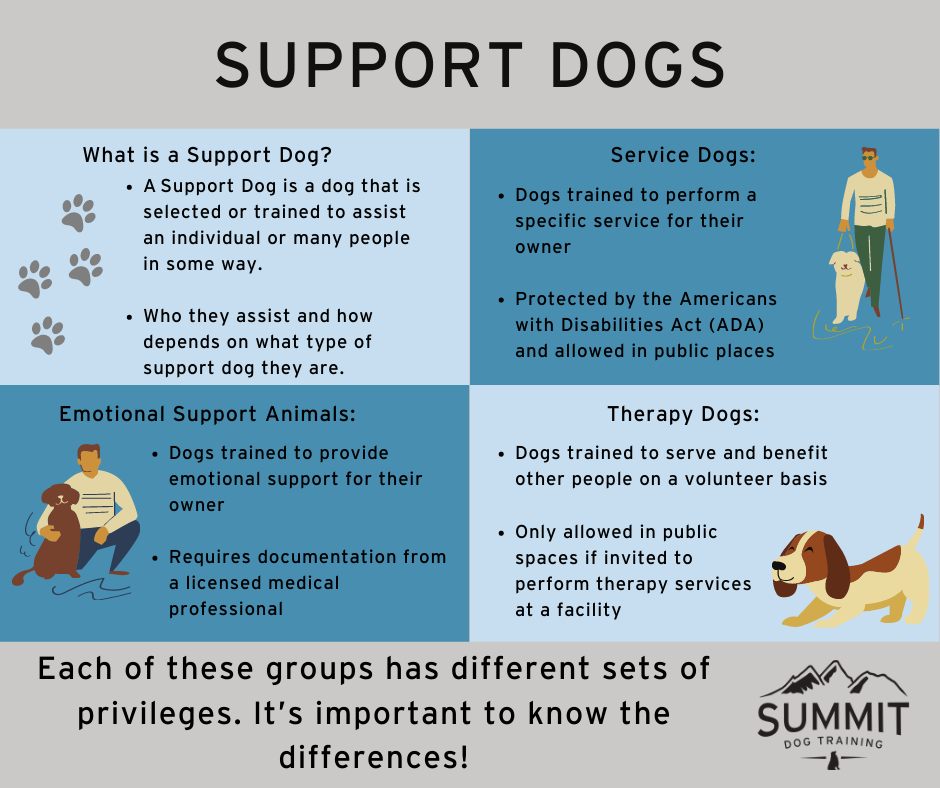
Emotional support dogs help reduce symptoms of anxiety, depression, and other mental health conditions by offering comfort and stable company. They do not perform legally defined tasks like service dogs do. They provide therapeutic presence, calm signals, and emotional grounding.
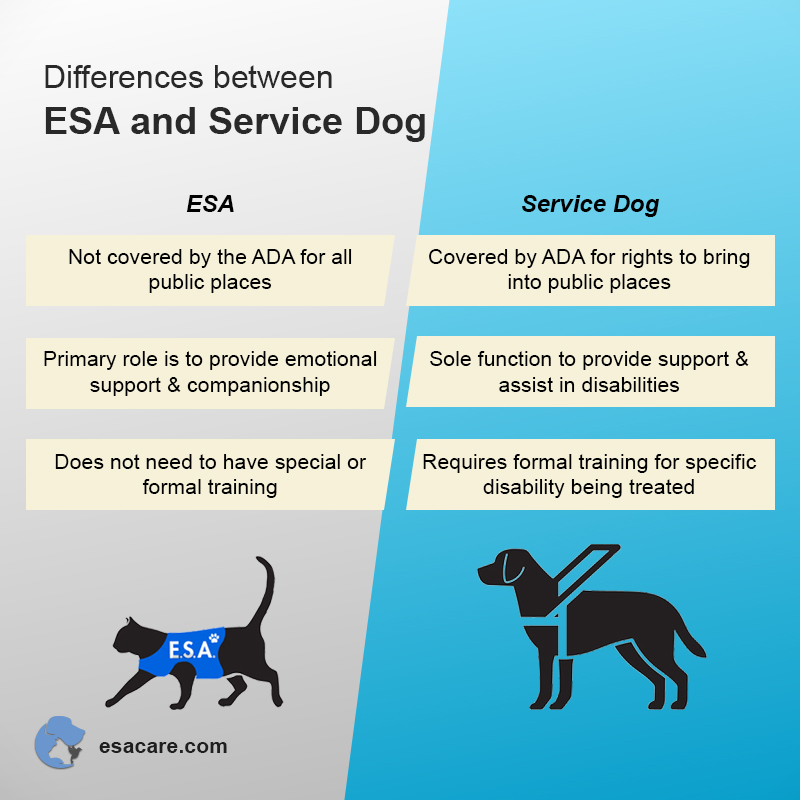
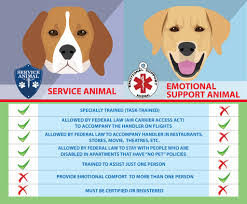
Key differences to know
- Emotional support dog focuses on comfort and companionship rather than public-access tasks.
- Service dogs are trained for specific medical tasks and have broader legal access.
- A mental health professional’s letter is often needed to qualify for housing or travel accommodations.
Why training matters
- Training builds reliability. A calm, well-trained dog is more effective at easing symptoms.
- Training reduces stress for both you and the dog. Clear rules cut down on confusion and unwanted behaviors.
- Real-world practice makes support consistent across places and people.
My experience
- I trained my first client’s spaniel to lie calmly at his feet during panic episodes. Small changes made a big difference. Start small, be patient, and expect steady progress.
Step-by-step guide: How To Train An Emotional Support Dog?
This section gives a clear plan to follow. It shows how to train an emotional support dog with daily steps that build trust and skills.
- Assess fit and temperament
- Check that your dog is calm enough for close work. Look for low reactivity and a steady focus.
- Puppies can become support dogs, but they need early socialization and basic impulse control.
- Get veterinary and behavioral baseline
- Rule out medical issues that affect behavior.
- Talk to a vet and a certified trainer or behaviorist if needed.
- Build basic obedience first
- Teach sit, down, stay, come, and leash manners. Short, frequent sessions work best.
- Use positive reinforcement like tiny treats, praise, or a brief play break.
- Teach calming cues and presence skills
- Teach a settle cue that means "stay calm here." Reward calm lying, slow breathing, or eye contact.
- Train a "place" command so the dog goes to a mat and relaxes on cue.
- Train support-specific tasks
- Teach the dog to recognize signs of your anxiety and respond with a trained behavior. For example:
- Leaning or nudging when you show signs of distress.
- Bringing a weighted blanket or toy on cue.
- Blocking to create personal space.
- Generalize to real places
- Practice skills at home, then in quiet public spaces, then busier places. Keep sessions short and positive.
- Add distractions slowly and reward focus.
- Monitor progress and adjust
- Keep a simple log of sessions and improvements. Increase challenge when the dog succeeds three times in a row.
How long will it take?
- Short skills can take days. Reliable support skills may take weeks to months. Consistency matters more than speed.
PAA-style quick questions
- How long until my dog is calm in public? Often 4–12 weeks of steady practice for basic public manners.
- Can any dog learn support skills? Many can, but temperament and health matter.
- Do I need a trainer? A trainer helps with tricky behaviors and faster results.
Basic obedience and practical support tasks
Obedience is the foundation. Without it, support skills won’t be reliable.
Core commands to prioritize
- Sit: For control and focus.
- Down: Helps the dog stay calm in one place.
- Come: Essential for safety and grounding.
- Stay/Place: For settling during anxiety episodes.
- Leave it: Stops unwanted grabbing or escalation.
Support-specific behaviors
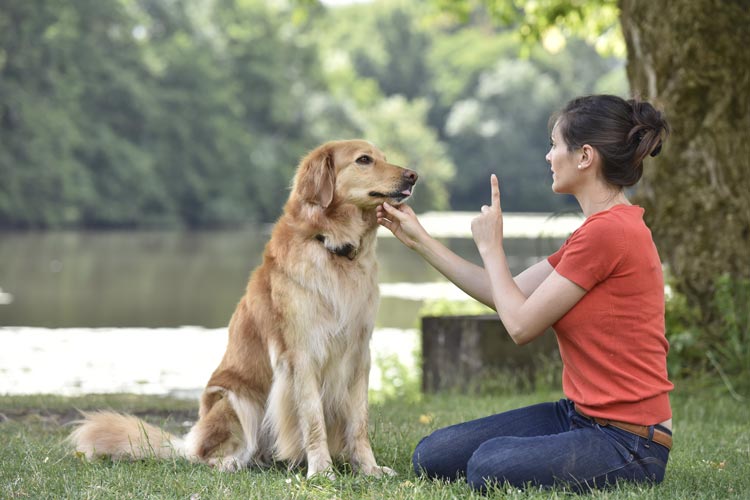
- Deep pressure/lean: Teach the dog to lay across your lap or against you. Start with short holds and reward calm behavior.
- Attention on cue: Train a cue that gets the dog to make soft eye contact when you need grounding.
- Interrupt and redirect: Train the dog to nudge or place a paw to break repetitive behaviors such as pacing or overbreathing.
Practical training tips
- Keep sessions to 5–10 minutes. Do 3–5 sessions daily.
- Use high-value rewards for hard tasks.
- Fade treats slowly and add praise and touch as rewards.
Personal tip
- I taught a client’s dog to press a soft toy into his hand during panic. We started with shaping and built up to a firm cue. It took patience but worked well.

Socialization, public behavior, and legal realities
Training for presence in public is different from training for the home. Emotional support dogs need manners and calm.
Socialization checklist
- People of different ages and looks.
- Brief handling and gentle touch.
- Exposure to common sounds and surfaces.
Public behavior practice
- Walk calmly with loose leash skills.
- Practice settling at outdoor cafes or parks for short periods.
- Work on ignoring distractions and focusing on you.
Legal and housing notes
- Emotional support dogs may be covered for housing support with proper documentation, but they do not have the same public access rights as service dogs.
- Know local rules and airline policies before travel.
Etiquette for others
- Teach handlers to set boundaries politely if people want to pet the dog.
- Use a vest or tag that simply indicates the dog’s role, without claiming service-dog status.
Tools, rewards, and tracking progress
Simple tools make training easier. Keep routines and track small wins.
Useful tools
- Flat collar or gentle harness for walks.
- Slip-on mat or place bed for settling practice.
- Clicker (optional) for precise marking.
- Small, soft treats for quick rewards.
Daily plan template
- Morning 5-minute obedience review.
- Short mid-day calming cue practice.
- Evening place and relaxation training.
- Weekly socialization outing.
Track progress
- Keep a short log: date, skill, time, success rate.
- Note triggers and context for setbacks.
My gear tip
- I use tiny soft treats to keep dogs eating during practice. Larger treats slow learning and make sessions clumsy.

Common challenges, troubleshooting, and when to seek help
Training isn’t always smooth. Expect setbacks and know when to get help.
Common issues
- Over-excitement during rewards: Use lower-value treats and more calm rewards.
- Fear or reactivity: Move back to easier steps. Reward calm and slowly desensitize.
- Regression during stress: Reduce challenge until the dog regains reliability.
When to call a pro
- Aggression or biting.
- Severe fear that stops progress.
- No improvement after consistent home work for weeks.
Mistakes to avoid
- Punishing fear or anxiety. This makes things worse.
- Skipping consistency. Inconsistent rules confuse a dog.
- Rushing public access before the dog is ready.

People also ask: quick clarifications
-
How long does training usually take?
Most basic support skills take a few weeks. Complex or set tasks can take several months. -
Can I train my own emotional support dog?
Yes. Many owners can train essential skills. A trainer helps with hard cases. -
What if my dog shows fear?
Slow down. Use desensitization and reward tiny wins.
Frequently Asked Questions of How To Train An Emotional Support Dog?
What is the first step in training an emotional support dog?
Start with a calm assessment of temperament and basic veterinary care. Then teach core obedience like sit, down, and come.
Can any breed be an emotional support dog?
Many breeds can provide support. Look for calm temperaments, trainability, and good health rather than breed alone.
Do emotional support dogs need certification?
There is no universal certification. A letter from a licensed mental health professional often helps with housing and travel needs.
How do I teach my dog to comfort me during anxiety?
Use shaping to reward calm contact, leaning, or a specific task like bringing a toy. Pair the behavior with praise and consistency.
When should I hire a professional trainer?
Hire a pro for aggression, deep fear, or if progress stalls for weeks despite consistent work.
Conclusion
Training an emotional support dog is a step-by-step mix of trust, basic obedience, and targeted comfort skills. Start small. Build calm habits daily. Track progress and ask for help when needed. With steady practice, the right cues, and compassion, your dog can become a reliable source of comfort.
Takeaway: Begin today with short, consistent sessions and one clear support cue. If this guide helped, try the plan for two weeks and note changes. Share your story, ask questions, or subscribe for more guides on dog training and emotional support.