
Last Updated on September 23, 2026
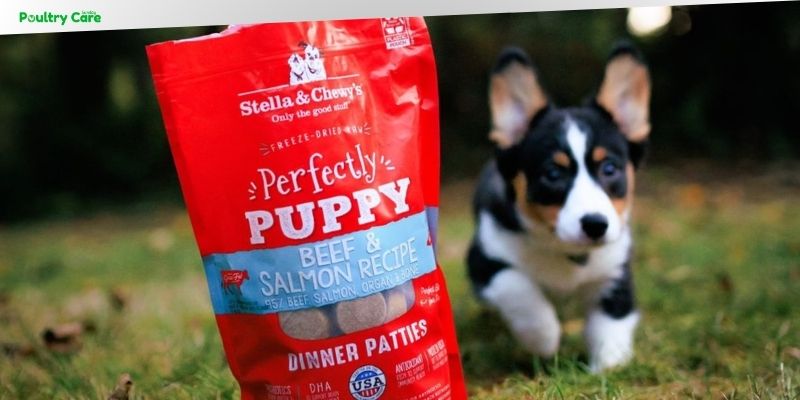
Yes — Stella and Chewy is a high‑quality, protein-forward pet food brand with strong raw and freeze-dried options.
I have worked with dogs and their diets for years, and I’ve tested many foods. In this article I break down Stella and Chewy’s ingredients, product lines, feeding guidance, pros and cons, and who benefits most from their food. You’ll get clear advice, real-world tips from my experience, and the facts you need to decide if Stella and Chewy is right for your dog.
What is Stella and Chewy?
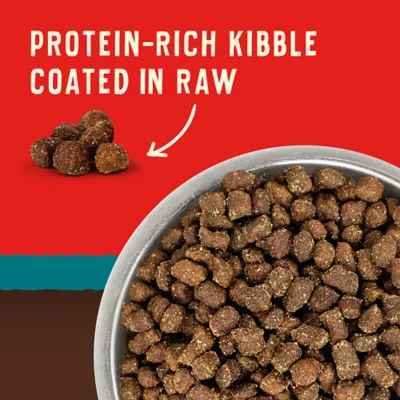
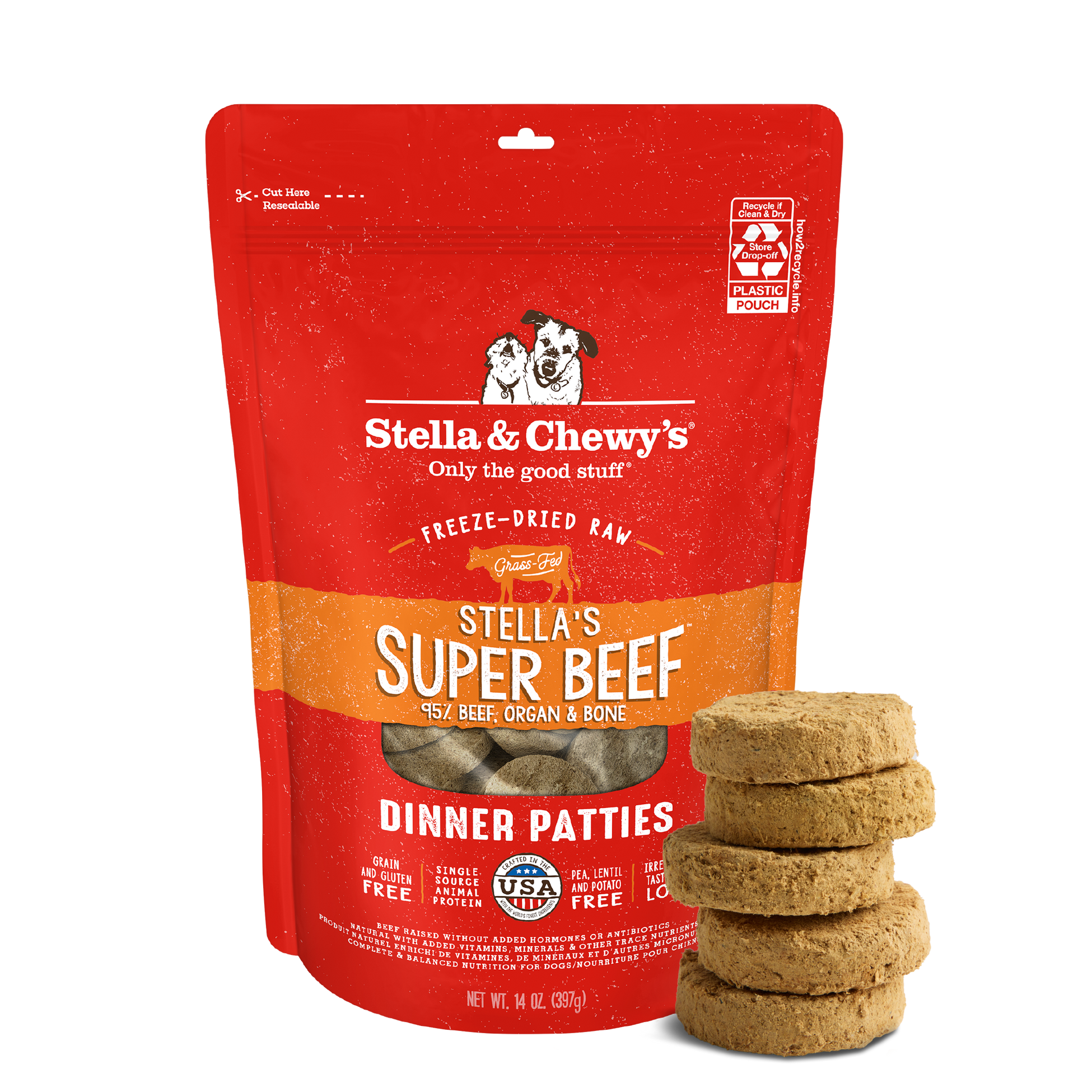
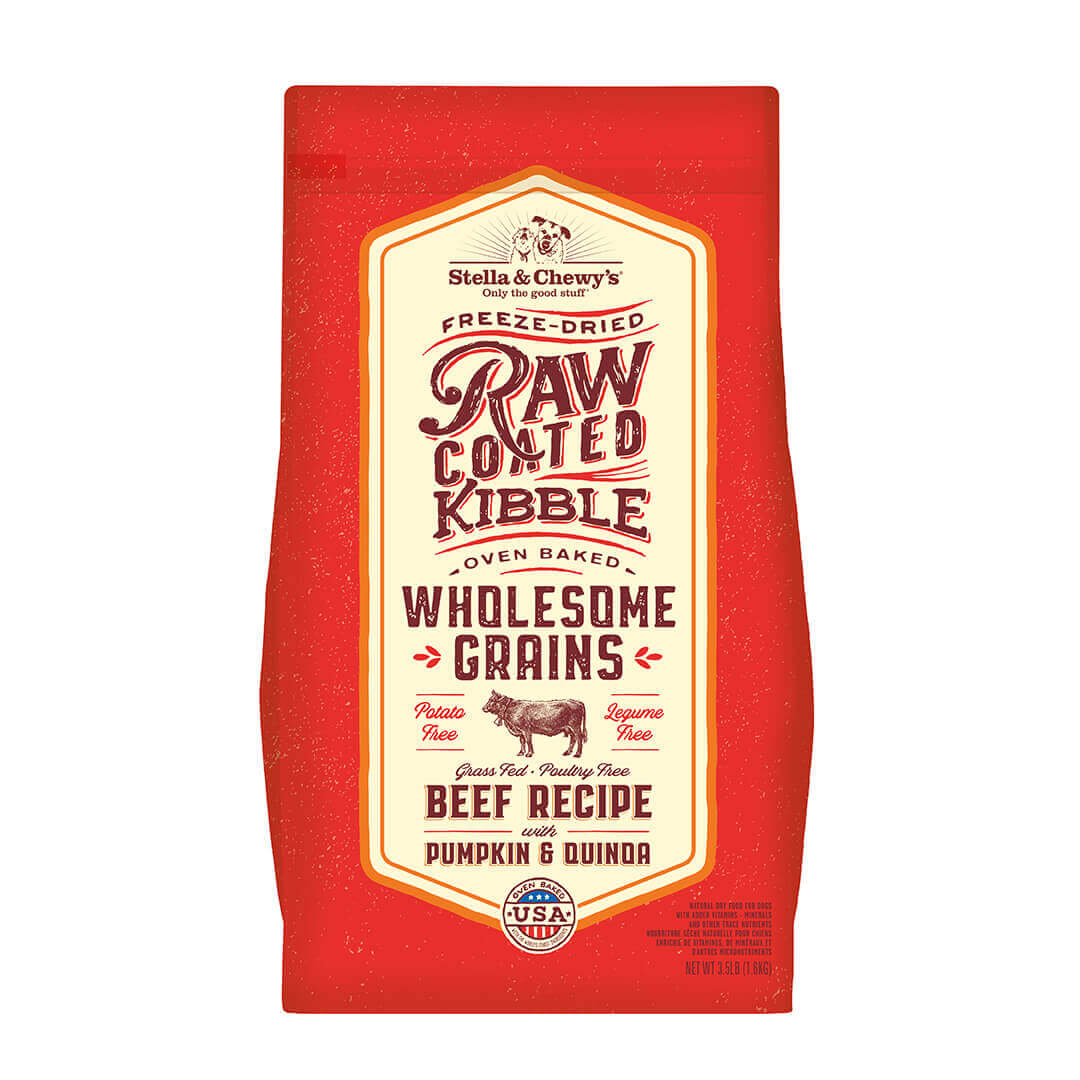
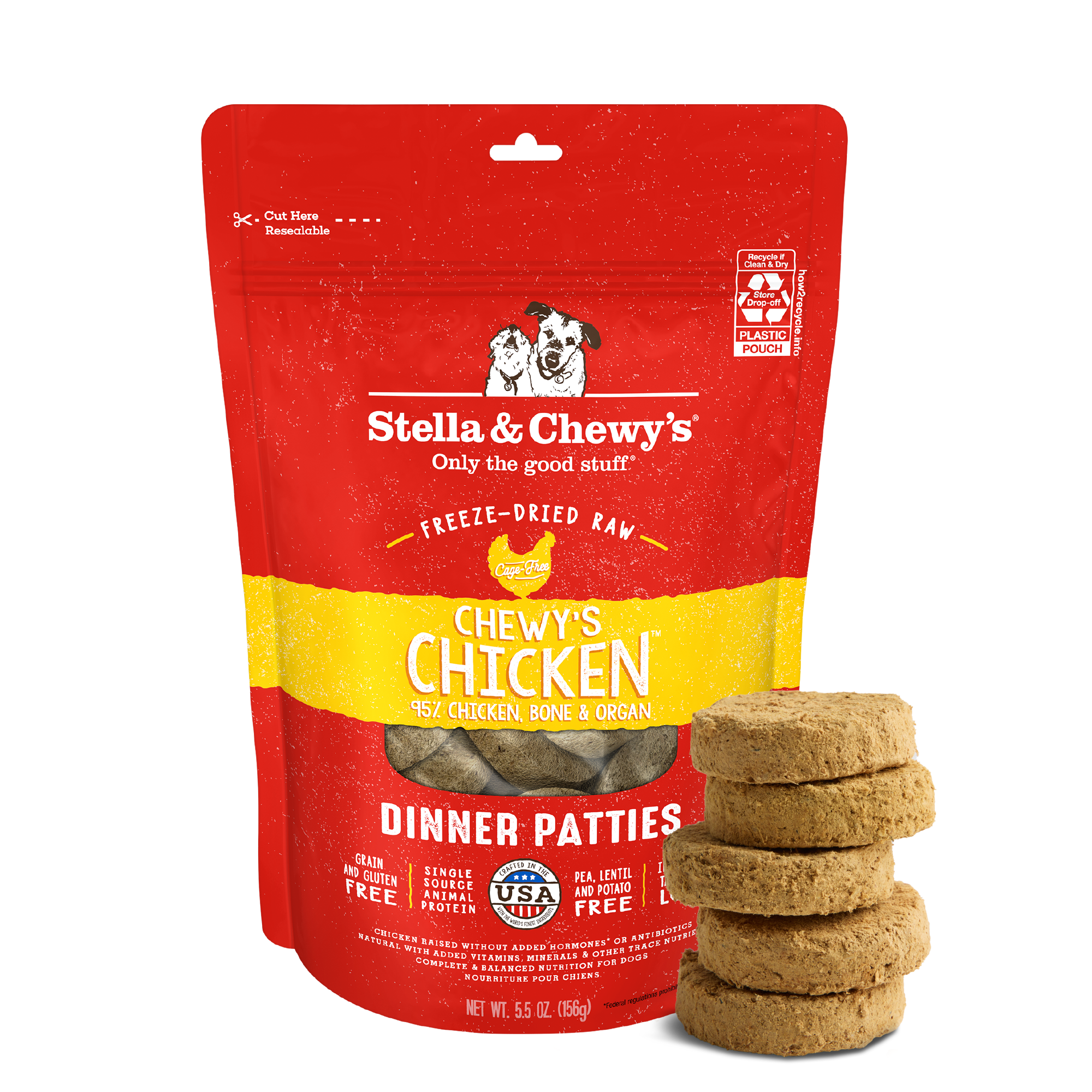
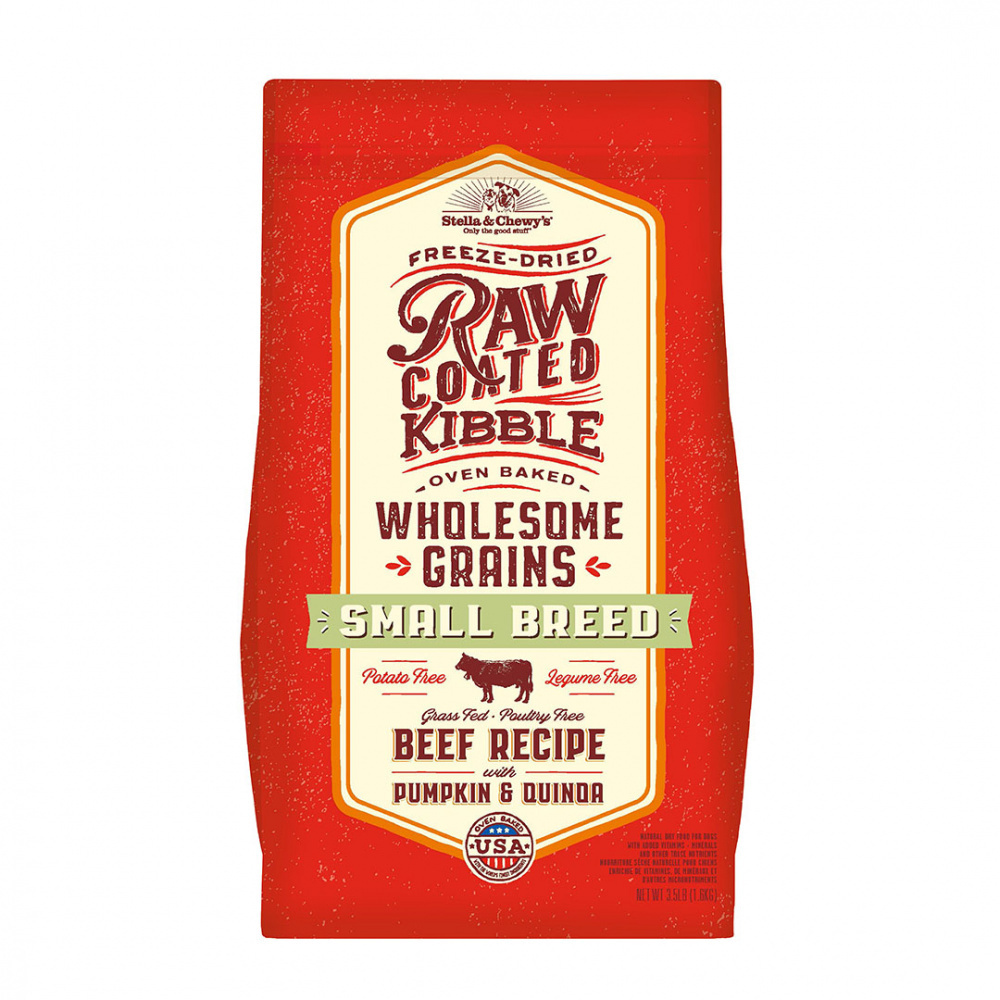
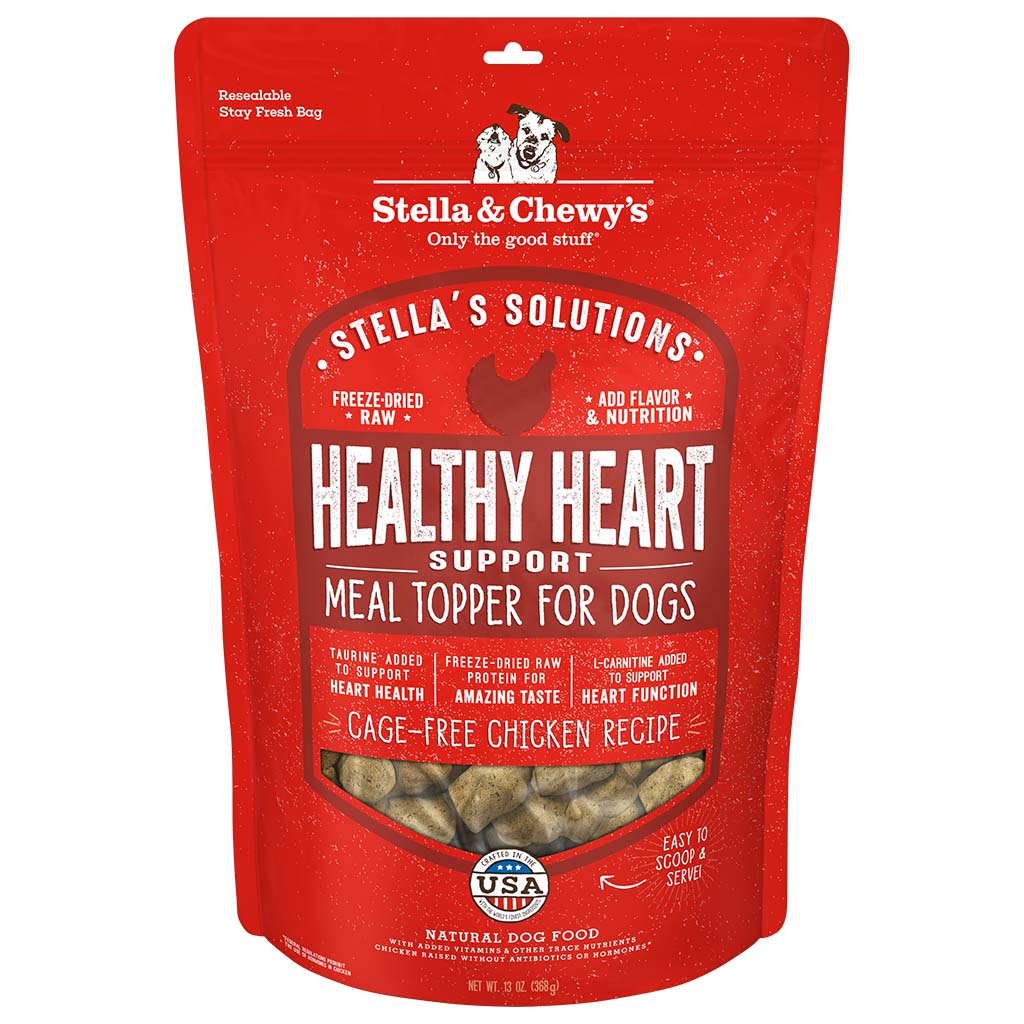
Stella and Chewy is a pet food company known for raw-inspired diets. The brand focuses on minimally processed, high-protein formulas. They sell freeze-dried raw, frozen raw, raw-coated kibble, and limited-ingredient recipes. Stella and Chewy aims to mirror ancestral diets with whole meats and fewer fillers.
Ingredients and nutrition profile
Stella and Chewy recipes use real meat as the first ingredient. Many recipes list muscle meat, organs, and bone components. Their foods are often grain-free, though some lines include whole grains for dogs that tolerate them. Protein levels are generally high, which suits active dogs and breeds that need dense nutrition.
Benefits of this nutrition approach:
- High animal-protein content supports muscle and energy.
- Inclusion of organs adds natural vitamins and minerals.
- Limited fillers reduce empty calories that can upset digestion.
- Freeze-dried and raw formats preserve nutrients lost in heavy cooking.
Things to watch:
- High-protein, rich foods can upset sensitive stomachs if switched too fast.
- Grain-free formulas may not be needed for all dogs and can be pricier.
- Calorie density varies by formula; always check feeding guides on the bag.
Quality, sourcing, and safety
Stella and Chewy emphasizes ethical sourcing and tests ingredients. The brand publishes ingredient lists and usually describes sourcing practices. They follow common industry standards for safety and offer guidance on safe thawing and storage for raw products.
How the brand builds trust:
- Use of identifiable meat sources in many recipes.
- Clear labeling for proteins and supplemental ingredients.
- Best-practice storage instructions for raw and freeze-dried items.
Safety tips for owners:
- Thaw raw food in the fridge and follow package timing.
- Clean bowls and surfaces to avoid cross-contamination.
- Start with small servings when testing a new recipe.
Pros and cons of feeding Stella and Chewy
Pros:
- Strong meat-first ingredient lists that mimic natural diets.
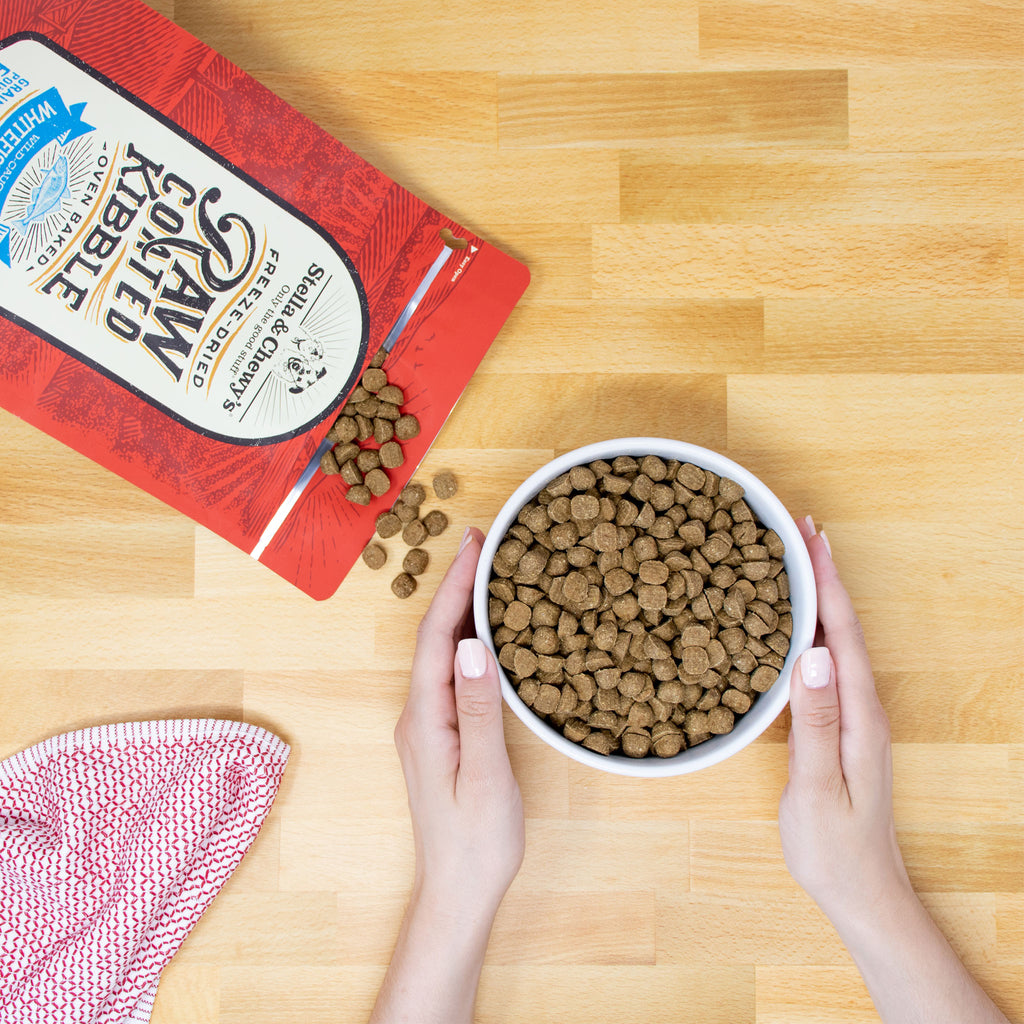
- Multiple formats: frozen raw, freeze-dried, and raw-coated kibble.
- Good options for picky eaters who prefer raw textures.
- Transparent labeling that helps shoppers compare recipes.
Cons:
- Higher cost than many mainstream kibbles.
- Some dogs with pancreatitis or strict protein limits may need alternative diets.
- Shelf-life and storage care differ from dry kibble.
- Not all recipes are suitable for every life stage; check AAFCO statements.
My experience: I switched a picky adult dog to Stella and Chewy freeze–dried meals. The dog gained coat shine and ate more consistently. The cost rose, but reduced waste and better stool quality balanced the price.
Who should consider Stella and Chewy?
Stella and Chewy works well for:
- Active dogs that need higher protein and fat.
- Dogs that tolerate raw or freeze-dried diets without GI upset.
- Owners wanting cleaner ingredient lists and less processing.
- Picky eaters who refuse traditional kibble.
Not ideal for:
- Dogs on strict low‑fat or low‑protein veterinary diets.
- Owners who prefer low-cost, long-shelf-life kibbles.
- Dogs with severe food allergies to the main protein source (unless a suitable novel-protein recipe exists).
Always consult your veterinarian before switching dogs with health issues.
How to choose the right Stella and Chewy recipe
Pick a recipe based on life stage, activity, and sensitivity. Read the label for primary protein, organ inclusion, and carbohydrate source. Use the feeding chart on the package to estimate portions. Transition slowly over 7–10 days to minimize stomach upset.
Quick PAA-style questions:
Is Stella and Chewy grain-free?
Many Stella and Chewy recipes are grain-free, but some formulas include grains. Check the ingredient list on each product to confirm.
Is Stella and Chewy good for puppies?
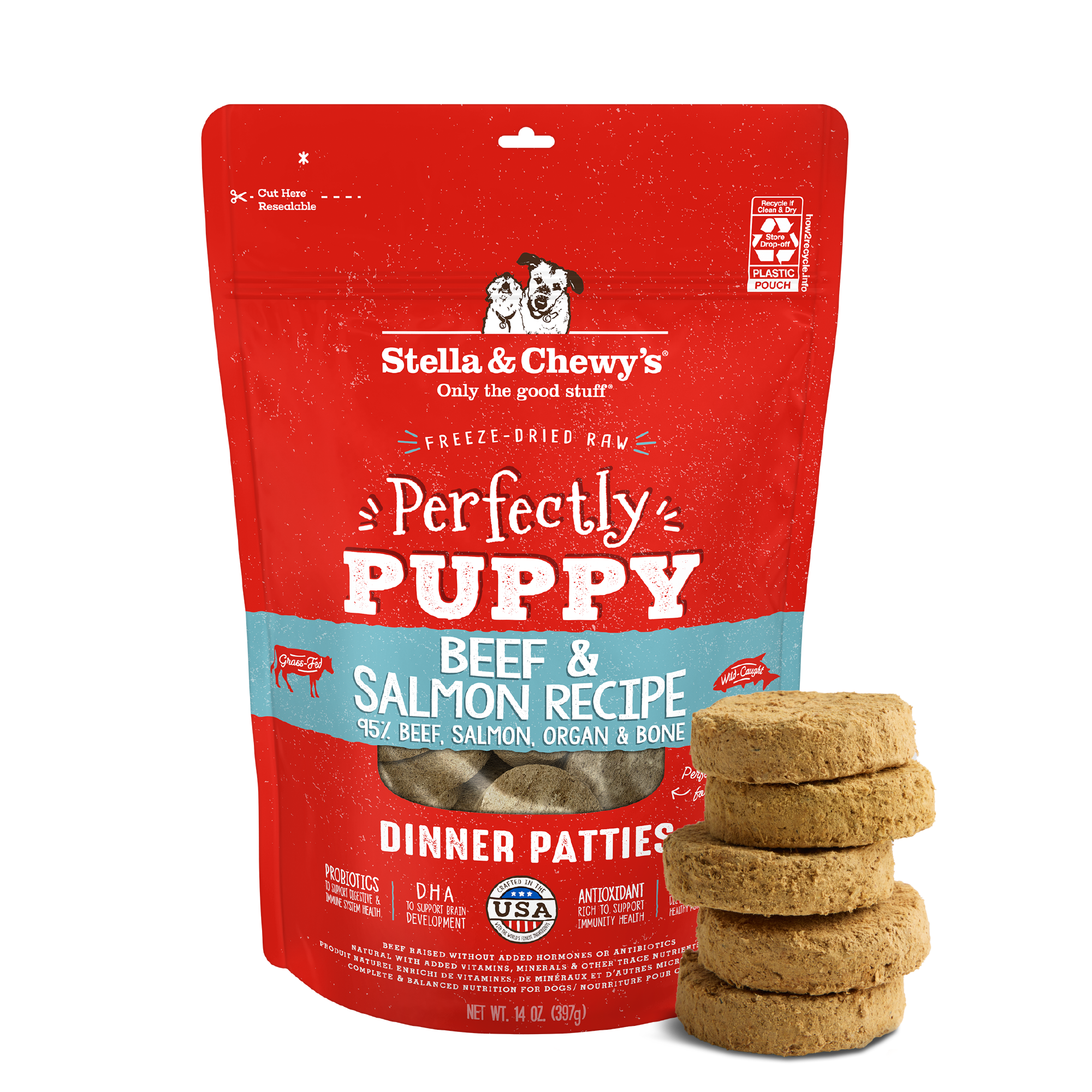
Stella and Chewy offers formulations labeled for all life stages or puppies; choose recipes that meet AAFCO nutrient profiles for growth.
How do I switch my dog to Stella and Chewy?
Mix increasing amounts of Stella and Chewy with the old food over a week. Watch stool quality and appetite, and slow the transition if digestive upset occurs.

My experience and practical tips
Over years of feeding trials and client work, I’ve seen consistent benefits from Stella and Chewy. Dogs often show better coat condition and more stable energy. Picky eaters respond well to freeze-dried or raw textures.
Practical tips from the field:
- Store frozen raw at recommended temperatures and use by dates.
- For freeze-dried, rehydrate using warm water and let sit a few minutes.
- Use a digital scale for accurate portioning when switching formats.
- Keep a feeding diary for two weeks after a diet change to track reactions.
Common mistakes to avoid:
- Switching too fast and blaming the food rather than the transition speed.
- Not adjusting portion sizes when moving from kibble to raw formats.
- Ignoring caloric differences across recipes.
How Stella and Chewy compares to other diets
Stella and Chewy sits between mainstream kibble and full raw feeding in terms of processing and convenience. Freeze-dried options offer raw nutrition with easier handling than frozen raw. Raw-coated kibble blends ease with raw-inspired ingredients.
Comparison points to consider:
- Cost per feeding is higher than many dry kibbles.
- Nutrient density can reduce total volume fed, so cost-per-day matters.
- Owner lifestyle—freezer space and time for prep—affects suitability.
If you value whole-prey ingredients and controlled sourcing, Stella and Chewy is competitive. If low cost and long shelf life are priorities, a standard kibble may be a better fit.
Frequently Asked Questions of Is Stella And Chewy Good Dog Food?
Is Stella and Chewy a raw food brand?
Stella and Chewy offers raw and raw-inspired foods, including frozen raw and freeze-dried raw options.
Are Stella and Chewy recipes balanced?
Many Stella and Chewy products meet AAFCO nutrient profiles for specific life stages; check each package for the AAFCO statement.
Can dogs with allergies eat Stella and Chewy?
Some dogs with allergies do well on novel-protein Stella and Chewy recipes, but you should consult a vet and review ingredient lists carefully.
Is Stella and Chewy safe for small breeds?
Yes, there are small-breed portion guidelines and smaller pieces in some formulas suitable for small mouths.
How should I store Stella and Chewy products?
Follow package instructions: freeze frozen raw, keep freeze-dried sealed and dry, and refrigerate any rehydrated portions.
Conclusion
Stella and Chewy offers high-quality, meat-forward diets that work well for many dogs, especially active and picky eaters. The brand provides multiple formats for convenience and nutrient retention, but it costs more and requires proper handling. If you want cleaner ingredients and raw-style nutrition, Stella and Chewy is worth trying; just consult your vet, transition slowly, and track your dog’s response. Explore recipes, compare feeding guides, and leave a comment about your experience or question — I’d love to hear which Stella and Chewy formula worked for your dog.