Last Updated on September 23, 2026
Crude protein is the total nitrogen-based protein amount listed on pet food labels.
I’ve worked with vets and read dozens of pet nutrition guides, so I know how confusing labels can be. This article explains what is crude protein in dog food, how it’s measured, why it matters, and how to use that number to choose better food for your dog. Read on for clear, practical advice based on experience and sound nutrition principles.

What is crude protein in dog food?
Crude protein is a lab measure of all nitrogen in the food converted to a protein equivalent. When you ask what is crude protein in dog food, it means the number on the label that estimates total protein. This figure does not show individual amino acids or how digestible the protein is.
How crude protein is measured
Manufacturers use a chemical test that measures nitrogen. The test multiplies nitrogen by a factor (commonly 6.25) to report crude protein. This method is fast and cheap but counts non-protein nitrogen too. That is why the answer to what is crude protein in dog food can be misleading without context.
Why crude protein matters for dogs
Protein builds muscle, supports the immune system, and supplies essential amino acids. Knowing what is crude protein in dog food helps you compare recipes quickly. However, the number alone cannot tell you if the food meets your dog’s specific amino acid needs.

Crude protein versus protein quality and bioavailability
Crude protein is quantity, not quality. Two foods with the same crude protein percent can differ widely in digestibility and amino acid balance. When you evaluate what is crude protein in dog food, also look for named meat sources, digestibility claims, and whether the formula meets feeding trial or nutrient profiles.

Reading dog food labels: what the numbers mean
The guaranteed analysis shows minimum crude protein on an as-fed basis. To compare foods, convert to dry matter: protein DM% = (protein% as-fed) ÷ (1 − moisture fraction). Example: 20% protein with 10% moisture gives 20 ÷ 0.90 = 22.2% protein on a dry matter basis. Knowing what is crude protein in dog food is step one; converting to dry matter gives a fair comparison.
How much protein does my dog need?
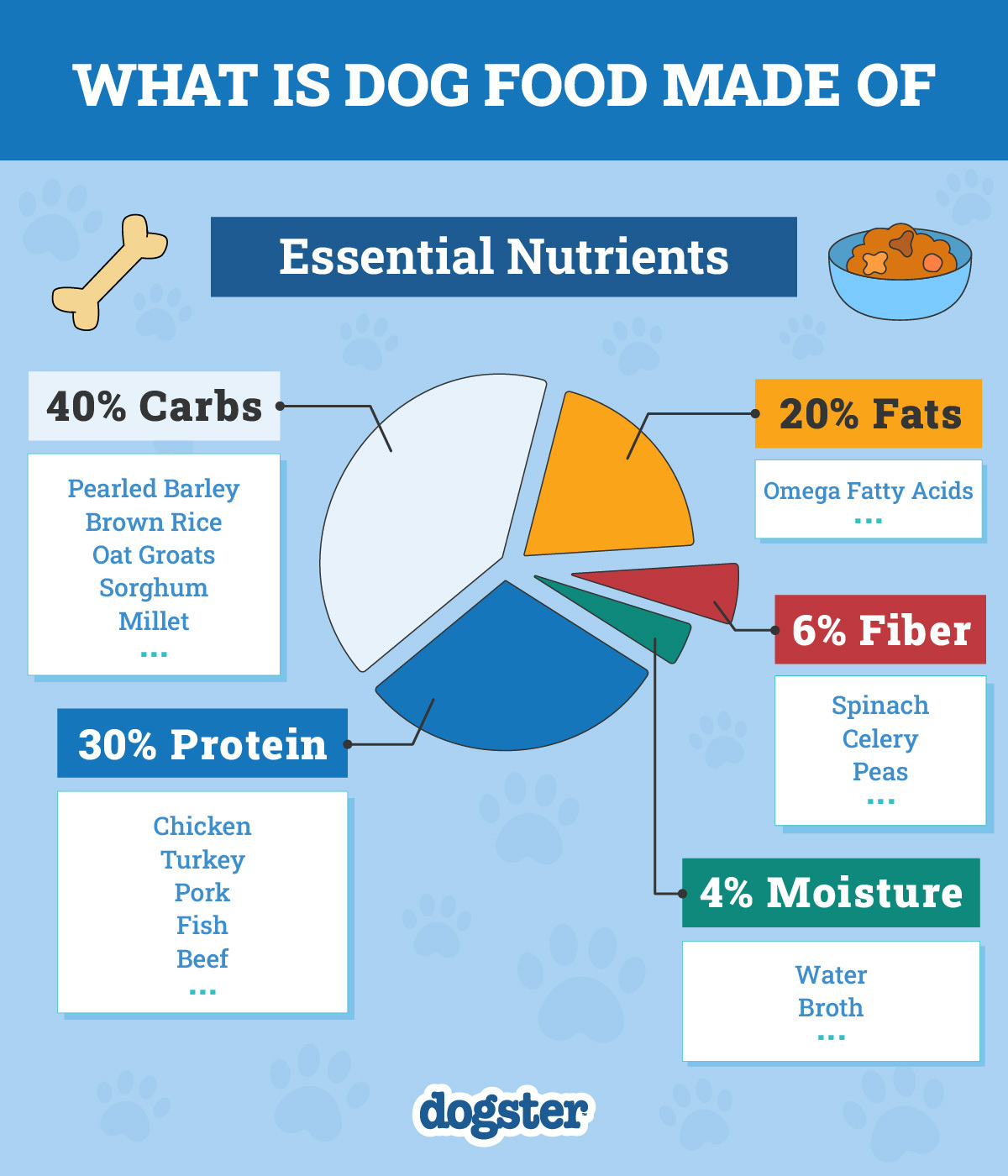
Needs vary by life stage, size, and activity. Typical adult maintenance diets often provide roughly 18–30% crude protein as-fed, while active or growing dogs need more. When you consider what is crude protein in dog food, match the protein level to your dog’s life stage and check with your vet for exact needs.
Risks of too little or too much protein
Too little protein can cause muscle loss, poor coat, and slow growth in puppies. Too much protein is rarely harmful for healthy dogs but can stress sick kidneys or cause excess calories. The best approach when wondering what is crude protein in dog food is to choose balanced diets and seek vet advice for dogs with health conditions.

Common protein sources and what to look for
Meat and fish provide complete amino acids and high digestibility. Eggs and dairy are excellent too but may cause allergies in some dogs. Plant proteins are useful but sometimes need mixing to reach a full amino acid profile. When checking what is crude protein in dog food, prefer named animal sources and varied protein ingredients.
Personal experience and practical tips
I once switched a medium-senior dog to a higher protein food to prevent muscle loss. I increased protein slowly over two weeks and watched energy and stool quality closely. My tip: when deciding what is crude protein in dog food, introduce changes gradually and track weight, coat, and stool to spot problems early.
Frequently Asked Questions of What Is Crude Protein In Dog Food?
What exactly does "crude" mean in crude protein?
Crude means the lab estimate based on nitrogen, not pure protein. It is a broad measure that can include non-protein nitrogen.
Is higher crude protein always better for dogs?
Not always. Higher protein helps active and growing dogs, but quality and balance matter more than just a high percent. Discuss specific health needs with your vet.
How do I convert crude protein to dry matter?
Divide the protein percent by (1 − moisture fraction). Example: 25% protein with 10% moisture = 25 ÷ 0.90 = 27.8% on a dry matter basis.
Can crude protein numbers be misleading?
Yes. The number doesn’t show digestibility or amino acid profile and can overstate real usable protein. Look for ingredient quality and nutrient statements too.
Should dogs with kidney disease eat low-protein food?
Some dogs with kidney issues may need adjusted protein, but blanket low-protein diets are not always best. Always follow your veterinarian’s tailored advice for sick dogs.
Conclusion
Crude protein is a useful starting point when choosing dog food, but it’s only part of the picture. Focus on both the amount and the quality of protein, convert values to dry matter for fair comparisons, and match food to your dog’s life stage and health. Take action by checking your dog’s current food label, consulting your vet for needs, and observing your dog after dietary changes. If this helped, leave a comment with your dog’s age and activity level or subscribe for more pet nutrition guides.