

Yes — but sparingly and with care; dog food is not an ideal long-term diet for ducks.
I have studied waterfowl care and worked with wildlife rehabilitators. In this article I will answer the question Can I feed ducks dog food? in plain language. You will learn when dog food is safe, the nutrition gaps to watch for, the risks, safer alternatives, and practical feeding tips I’ve used in the field. Read on to make a smart, humane choice for local ducks and pet ducks alike.
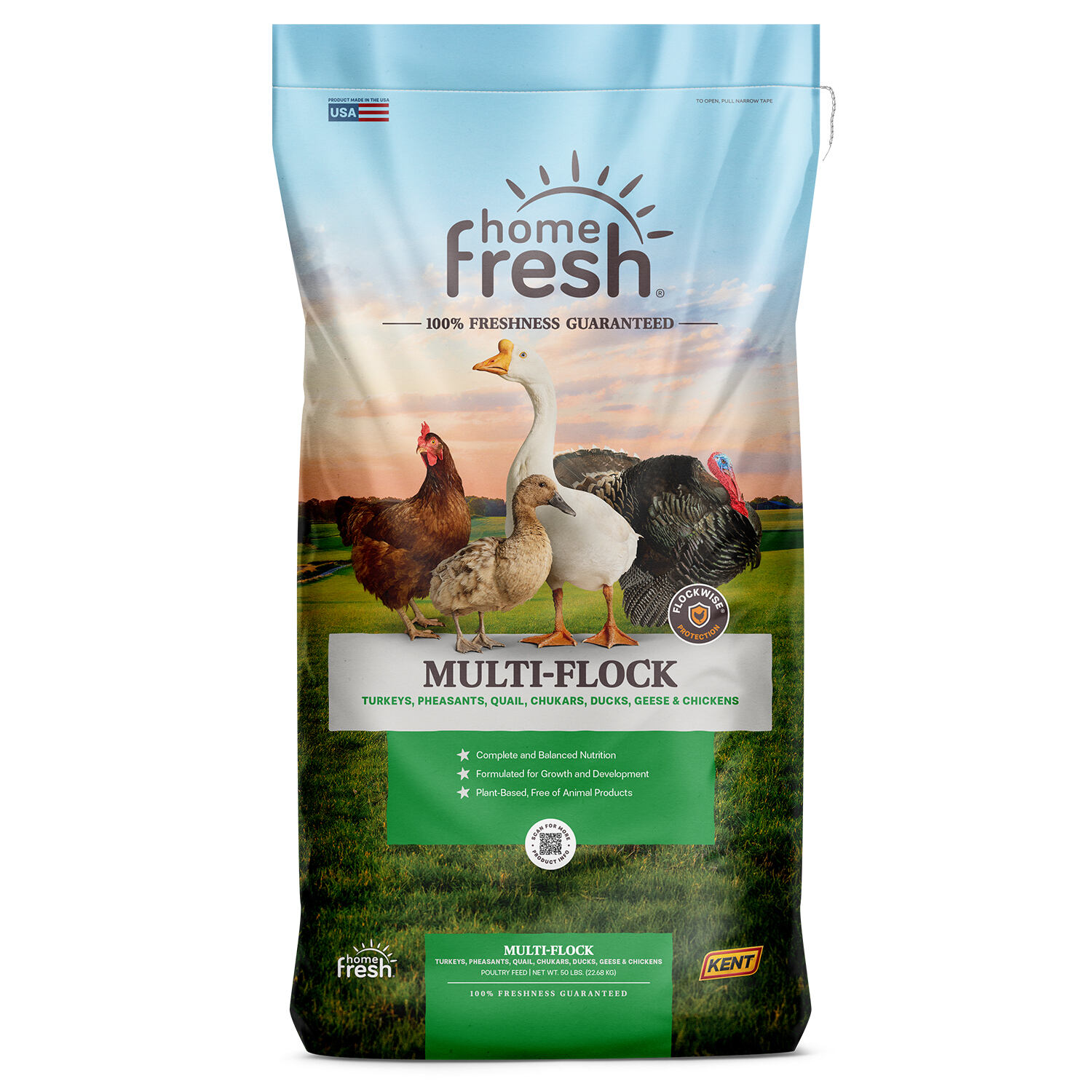
Why people consider feeding ducks dog food
Many people ask Can I feed ducks dog food? because dog food is cheap and available. People worry when they find a hungry duck or want to share food with a pet duck. Some think dog food is a good protein source. Others have heard it can be a quick emergency meal. I’ll explain when it might work and when it can harm ducks.

Is dog food safe for ducks?
Short answer: occasional dry dog food can fill a calorie gap. Ducks can digest many of the same proteins and carbs found in dog food. Still, dog food is formulated for dogs, not ducks. The vitamins, minerals, and fat balance may not match a duck’s needs. Using dog food regularly raises health and behavior concerns.
Nutritional comparison: dog food versus a healthy duck diet
Ducks need a balanced diet. Here’s how dog food stacks up and what to watch.
- Protein content. Dog food often has high protein. Ducks need protein, especially during growth and molting.
- Fat levels. Dog food can be higher in fat than natural duck diets. Too much fat can cause obesity or fatty liver in ducks.
- Vitamins and minerals. Dog food includes nutrients for dogs. Ducks need vitamin D, niacin, and certain amino acids in specific amounts. Dog food may lack niacin levels ducks require.
- Fiber and grit. Ducks eat plants, insects, and small stones. Dog food lacks natural grit and plant fiber variety.
- Salt and additives. Some dog foods contain higher salt or additives that are not ideal for ducks.
If you ask Can I feed ducks dog food, remember nutrient balance matters more than one feed. Repeat feedings can create deficiencies.

Risks and potential harms of feeding ducks dog food
Feeding dog food to ducks comes with clear risks. Consider these before you offer any.
- Nutritional deficiency. Regular dog food can cause niacin and calcium gaps. This harms growth and egg production.
- Obesity and fatty liver. High-fat dog food can lead to weight problems.
- Behavioral changes. Ducks fed table scraps or dog food can lose natural foraging behavior. They may crowd or become aggressive.
- Pollution and disease. Leftover dog food can foul water and attract pests. Old food can mold and spread sickness.
- Dependency. Regular handouts reduce wild ducks’ ability to find natural food.
As a rule, don’t make dog food a regular part of a duck’s diet. Use it only in limited, intentional ways.
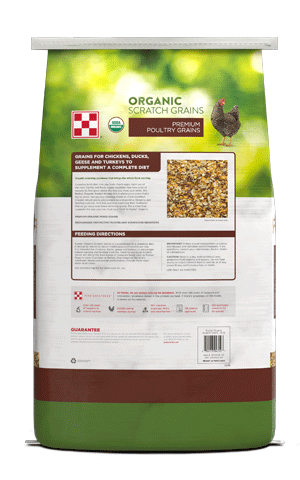
How to safely feed ducks if you must
If you decide to feed ducks dog food, follow careful steps to reduce harm.
- Use plain dry kibble sparingly. Offer small amounts of low-salt, low-fat dry dog food as an emergency or occasional supplement.
- Crush kibble. Break it into small pieces so ducklings and smaller ducks can swallow it.
- Soak first. For very dry kibble, soak briefly in water to soften and reduce choking risk.
- Avoid flavored or rich foods. Do not use foods with garlic, onion, or heavy sauces.
- Keep feed on land. Place food away from water to reduce pollution and mold growth.
- Limit frequency. Reserve dog food for rare times when natural food is scarce or for short-term care.
- Monitor health. Watch ducks for diarrhea, weight loss, or lethargy after trying new food.
I once helped a wildlife center where dog food was used for a single night to feed rescued ducklings until species-formulated feed arrived. It bridged a gap but wasn’t the long-term plan.
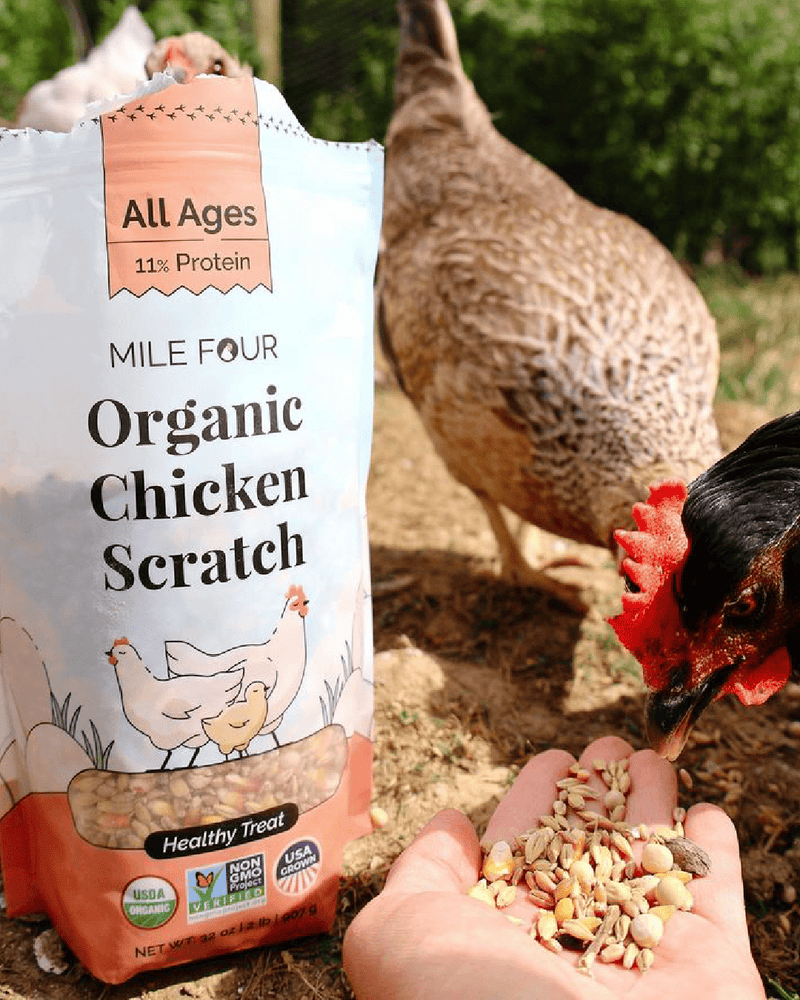
Better and healthier alternatives to dog food
There are safer options than dog food for feeding ducks. These choices support natural diets and health.
- Commercial waterfowl or game bird feed. Formulated with the right vitamins and niacin.
- Cracked corn. A common supplemental feed; feed in moderation.
- Oats or barley. Cheap and safe whole grains that ducks can digest.
- Green vegetables. Chopped lettuce, peas, and duck-safe greens add fiber.
- Mealworms and insects. Good protein source for wild and pet ducks.
- Seed mixes made for waterfowl. Check for added nutrients and low salt.
If you worry about finding the right feed, ask a rehabilitator or local wildlife agency for recommendations. They often suggest specific feed brands and mixes for ducks.

My experience feeding ducks dog food
I have cared for orphaned ducklings and worked with park staff on feeding guidelines. In emergencies I used plain dry kibble for short periods. It gave quick calories. But I always switched to proper waterfowl feed within 24–48 hours. I learned these lessons:
- Plan ahead. Keep species-appropriate feed on hand if you care for ducks.
- Use dog food only as a bridge. It is a stopgap, not a solution.
- Watch ducks closely. Change in droppings or behavior signals a problem.
These real moments taught me to respect wild diets and to favor prepared waterfowl feeds whenever possible.
Legal, ethical, and environmental considerations
Feeding wild ducks raises policy and ethical questions. Know the local rules and impacts.
- Local laws. Some parks prohibit feeding wildlife to prevent disease and crowding.
- Ecological effects. Artificial feeding can change migration, breeding, and local ecology.
- Public health. Large gatherings of fed birds increase disease transmission.
- Waste and water quality. Excess food can rot and harm aquatic systems.
If you choose to feed, follow local guidance. Limited, appropriate feeding is less harmful than open-ended handouts.
Frequently Asked Questions of Can I Feed Ducks Dog Food?
What happens if I feed ducks dog food once?
A single small feeding of plain dry kibble is unlikely to harm an adult duck. Avoid flavored or rich varieties and don’t make it routine.
Can ducklings eat dog food?
Ducklings are vulnerable. Only use soaked, small-kibble dog food in absolute emergencies and switch to duck starter feed quickly.
Is wet dog food okay for ducks?
Wet dog food is often too rich and salty for ducks. Avoid wet or flavored dog foods; they increase risk of digestive upset.
How often can I feed ducks dog food safely?
Do not feed dog food regularly. Limit to rare, emergency use and prioritize species-appropriate feed for ongoing needs.
Are there dog food types that are better for ducks?
Look for plain, low-salt, low-fat dry kibble without additives. Even then, use it only short-term and sparingly.
Conclusion
Feeding ducks dog food can be an occasional emergency fix but should not become a habit. Understand the risks: nutritional gaps, health problems, and environmental harm. Choose species-appropriate feed when possible, follow local rules, and use dog food only as a temporary bridge. Take action today by learning the right duck feed for your area, keeping small emergency supplies if you care for ducks, and encouraging friends and neighbors to feed wildlife responsibly. Share your experience, subscribe for more wildlife care tips, or leave a comment about your local feeding rules.