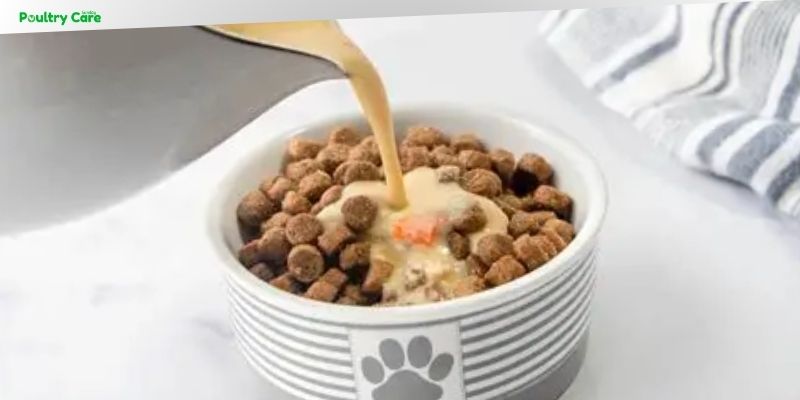
Last Updated on September 23, 2026
Make a healthy, tasty gravy for your dog using low-sodium broth and safe thickeners.
I’ve spent years testing simple pet recipes and working with dog owners to improve picky-eater habits. This guide on how to make dog food gravy will walk you through safe ingredients, easy methods, storage tips, and real-life tricks that actually work for me and many pet owners I’ve helped.
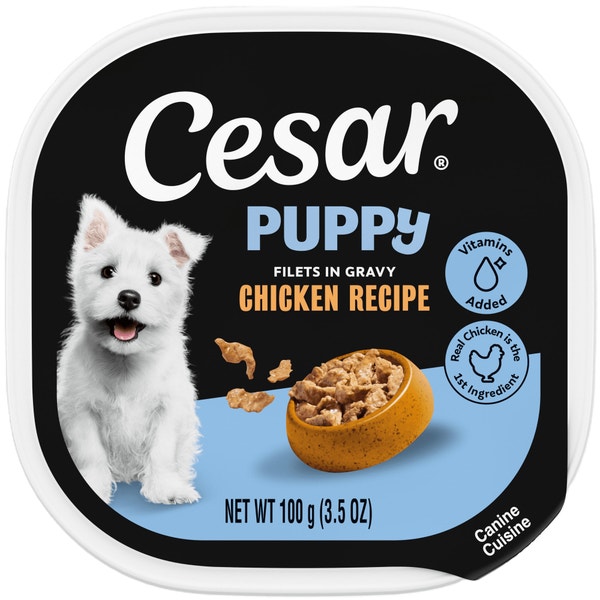
Why add gravy to dog food?
Gravy makes dry kibble more appealing and improves moisture intake. It can help picky eaters, older dogs with dental issues, and pets that need extra calories. Knowing how to make dog food gravy safely gives you control over salt, fat, and harmful ingredients. Use gravy to boost palatability without relying on high-sodium, store-bought sauces.
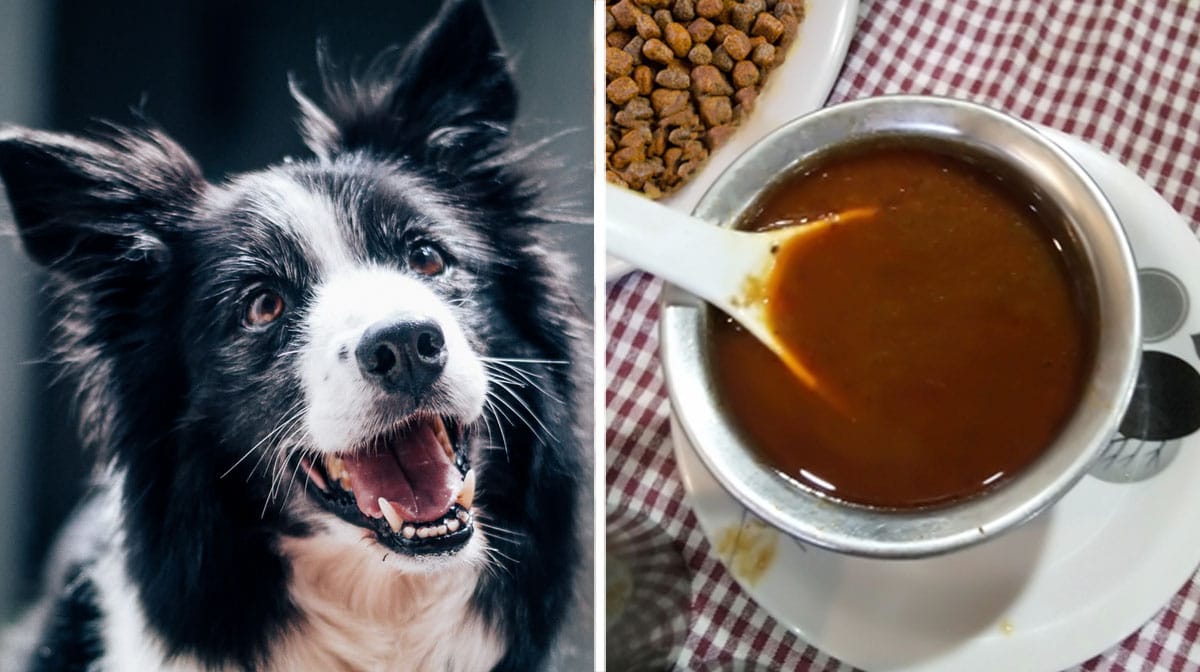
Ingredients: what to use and what to avoid
Use simple, dog-safe ingredients.
- Low-sodium chicken, beef, or vegetable broth.
- Cooked lean meat drippings strained of fat.
- Plain bone broth in small amounts.
- Plain canned pumpkin or pureed veggies for a thicker, fiber-rich base.
- Cornstarch, tapioca starch, oat flour, or powdered gelatin as thickeners.
Avoid these for safety.
- Onion, garlic, chives, and scallions — they are toxic to dogs.
- Excess salt, sugar, and artificial sweeteners like xylitol.
- High-fat drippings that cause stomach upset or pancreatitis.
- Uncooked bones or bone fragments in homemade broths.
How to make dog food gravy starts with safe ingredients. Stick to low-sodium broths and safe thickeners to keep meals healthy.
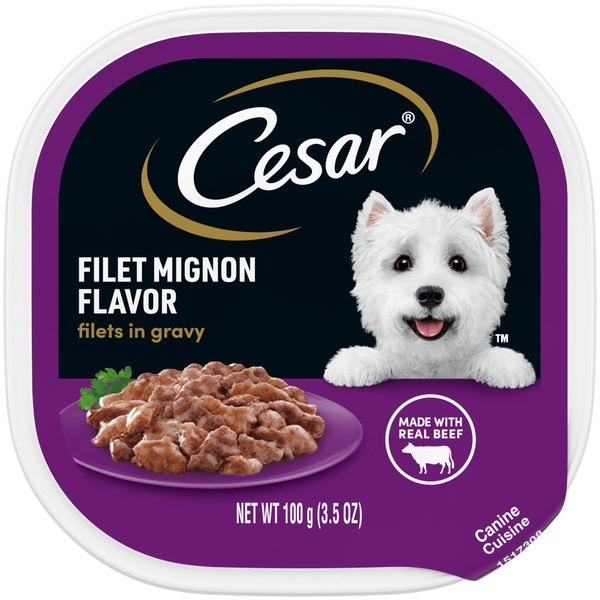
3 Simple homemade dog food gravy recipes
Chicken Broth Gravy (quick)
Ingredients
- 2 cups low-sodium chicken broth
- 1 tablespoon oat flour or cornstarch mixed with 2 tablespoons water
Steps
- Heat broth in a small pan until simmering.
- Stir in the oat flour or cornstarch slurry.
- Cook 1–2 minutes until thickened, cool to room temp before serving.
Beef and Veggie Gravy (hearty)
Ingredients
- 2 cups low-sodium beef broth
- 1/4 cup pureed cooked carrot or pumpkin
- 1 teaspoon gelatin (optional for body)
Steps
- Warm the beef broth gently.
- Whisk in the pureed veggie and gelatin until smooth.
- Let cool; serve spooned over kibble.
Bone Broth Gel Gravy (nutrient-dense)
Ingredients
- 2 cups plain chilled bone broth
- 1 tablespoon gelatin powder
Steps
- Warm 1/2 cup broth and bloom gelatin in it.
- Mix with remaining chilled bone broth.
- Chill slightly until it becomes saucy gel; break up and warm a little before serving.
Each of these recipes shows how to make dog food gravy with low salt and no harmful ingredients. Adjust thickness to your dog’s preference.

Step-by-step method: how to make dog food gravy (basic technique)
Start with a low-sodium base. Use 1 to 2 cups of broth depending on portion size. Simmer gently to concentrate flavor if needed. Avoid boiling; high heat can break down nutrients.
Choose a thickener. Mix cornstarch or tapioca with cold water first. Add the slurry slowly while whisking. For a softer texture, use oat flour or pureed vegetables. For a gelatinous finish, sprinkle gelatine into warm broth and whisk.
Strain if using meat drippings. Use a fine sieve to remove fat and solids. Cool the gravy before adding it to kibble. Test a spoonful yourself to ensure flavors are mild and free of onion or garlic.
Personal tip: I keep a small batch of concentrated broth in the freezer in ice cube trays. One cube melts into a bowl of kibble and makes it smell freshly cooked. This saves time and avoids excess salt or fat.
Storage, reheating, and shelf life
Store gravy safely in airtight containers.
- Refrigerate for up to 3 days for broth-based gravies.
- Freeze in portioned trays for up to 3 months.
- Thaw in the fridge overnight and warm gently.
Reheat gently on the stove or microwave in short bursts. Stir well and test temperature before serving. Avoid repeated reheating; reheat only what you will use that meal to reduce bacterial growth.

Tips, variations, and serving ideas
Make medicating easier by mixing pills into a small amount of gravy.
Use small portions to avoid overfeeding — gravy adds calories.
Add a teaspoon of plain yogurt or cottage cheese for probiotics in moderation.
Add cooked, mashed sweet potato for a fiber boost and natural sweetness.
Serve lukewarm; cold gravy can be less aromatic and less tempting to picky dogs.
I learned the hard way to always start with tiny amounts when introducing new gravies. Watch for tummy upset for 24–48 hours after a new recipe.
Common mistakes to avoid
Do not use table scraps with garlic or onions. They harm dogs even in small amounts.
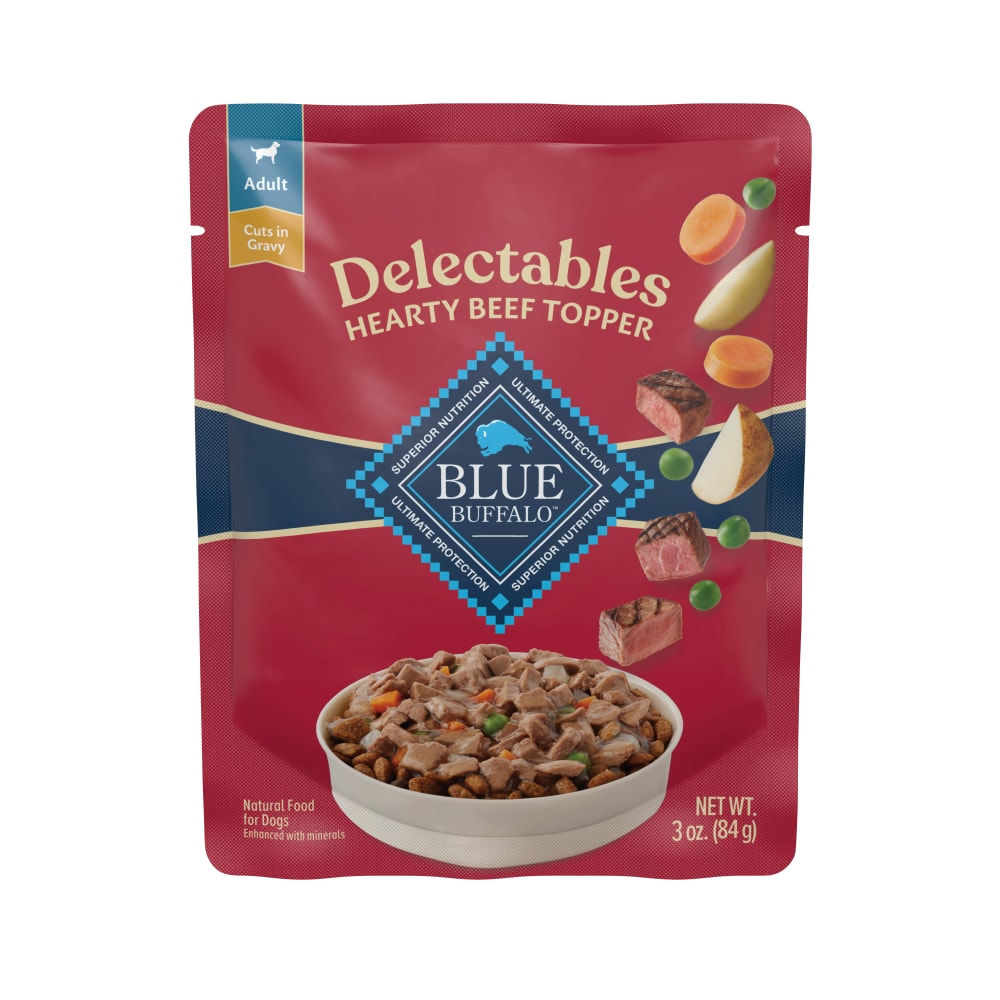
Avoid store-bought gravies labeled “dog gravy” that are high in salt and preservatives. Read labels carefully.
Don’t over-thicken with fat — heavy fats can cause pancreatitis in sensitive dogs.
Never feed undercooked bones or bone broth made improperly. Large amounts of homemade bone broth can be too rich.
Frequently Asked Questions of How To Make Dog Food Gravy?
Can I use store-bought gravy for my dog?
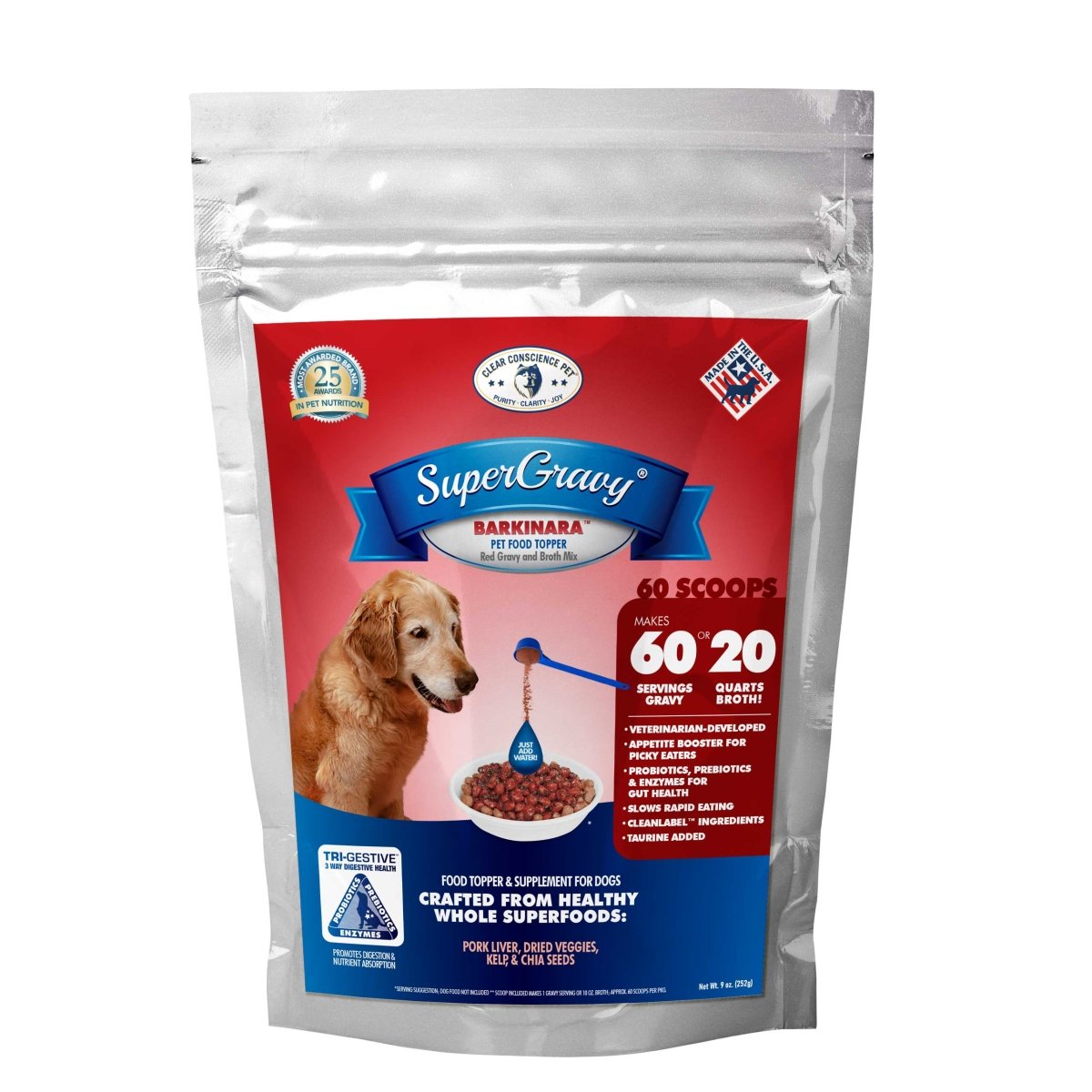
Some store-bought gravies are safe if they are low-sodium and free of onion, garlic, and xylitol. Read labels and avoid products with high salt, sugar, or harmful additives.
How much gravy should I add to my dog’s kibble?
Start with one or two tablespoons per cup of kibble for small dogs and slightly more for large dogs. Adjust based on weight, calorie needs, and how much your dog enjoys it.
Is gravy healthy for dogs every day?
Gravy can be part of a balanced diet when homemade with low-sodium broth and safe thickeners. Avoid daily use if it adds excess calories or fat; rotate with plain meals.
Can gravy help picky eaters?
Yes. The aroma and moisture in gravy often make kibble more appealing and encourage eating. Use it sparingly to avoid creating dependency.
Are thickening agents safe for dogs?
Yes, cornstarch, tapioca, oat flour, and gelatin are generally safe in small amounts. Use them sparingly and avoid thickeners that contain additives.
Conclusion
Making dog food gravy is simple, safe, and rewarding when you control ingredients and portions. Use low-sodium broth, dog-safe thickeners, and simple vegetables for flavor and nutrients. Start with small tastes, watch your dog’s reaction, and rotate gravies to keep meals balanced.
Try one of the quick recipes this week and note any changes in appetite or digestion. Share your results or questions below, subscribe for more pet-food tips, or experiment with flavors your dog loves.